
- Physical Examination
- Surgical Examination
- Ophthalmology
- Clinical Skills
- Orthopedics
- Surgery Videos
- Laparoscopy
- Pediatrics
- Funny Videos
- Cardiothoracic Surgery
- Nursing Videos
- Plastic Surgery
- Otorhinolaryngology
- Histology and Histopathology
- Neurosurgery
- Dermatology
- Pediatric Surgery
- Urology
- Dentistry
- Oncology and Cancers
- Anatomy Videos
- Health and Fitness
- Radiology
- Anaesthesia
- Physical Therapy
- Pharmacology
- Interventional Radiology
- Cardiology
- Endocrinology
- Gynecology
- Emergency Medicine
- Psychiatry and Psychology
- Childbirth Videos
- General Medical Videos
- Nephrology
- Physiology
- Diet and Food Health
- Diabetes Mellitus
- Neurology
- Women Health
- Osteoporosis
- Gastroenterology
- Pulmonology
- Hematology
- Rheumatology
- Toxicology
- Nuclear Medicine
- Infectious Diseases
- Vascular Disease
- Reproductive Health
- Burns and Wound Healing
- Kidney Zone Podcast
- Other
Groin lump
Category: Men's Health · All men's health symptoms
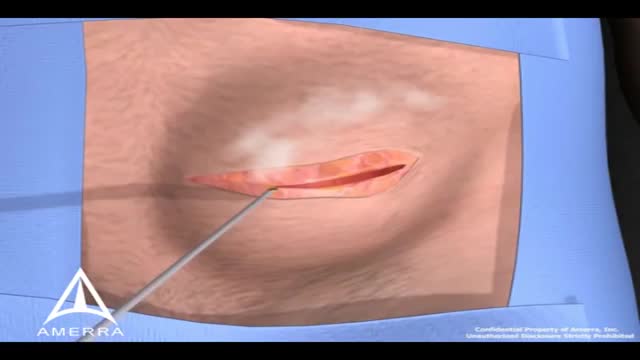
What it can feel like
A groin lump is a swelling in the crease where the thigh meets the abdomen, or in the upper inner thigh. The commonest cause is a hernia — abdominal contents pushing through a weak point — which typically appears on standing or straining and slips back when lying down.
Possible causes
A symptom can have many causes, and most are not serious. The lists below group conditions this symptom can be associated with — common causes first. They are possibilities to discuss with a clinician, not a diagnosis.
Common causes
A groin lump can be associated with an inguinal hernia, a femoral hernia (lower, commoner in women), enlarged lymph nodes from leg or genital infection, a varicose vein at the top of the thigh (saphena varix), and fatty lumps (lipomas).
Other possible causes
A groin lump can also be associated with an undescended testicle in younger males, a psoas abscess tracking from the spine or bowel (rare, with back pain and fever), and lymph node enlargement from lymphoma or spread of cancer.
Red flags — when to seek help promptly
- A groin lump that becomes painful, tense and cannot be pushed back — emergency (possible strangulation)
- A groin lump with vomiting, abdominal pain and constipation — emergency
- A groin lump with fever, redness and rapid growth
- Groin lymph nodes persisting beyond a few weeks without explanation
- A groin lump with weight loss or night sweats
What a clinician may do
A clinician will examine the groin standing and lying, asking you to cough (hernias bulge), and check the legs, genitals and abdomen for the node causes. Ultrasound settles uncertain lumps; hernias are graded by symptoms and referred for surgical discussion.
Watch: related videos
Examination and clinical videos from the MedicalVideos.com library relevant to this symptom. Some clinical footage is graphic — that is the nature of a medical video library.
Related guides on MedicalVideos.com
Frequently asked questions
What does 'strangulated' mean and why the rush?
A hernia that cannot be pushed back (incarcerated) can have its blood supply cut off at the neck of the sac — strangulation. Trapped bowel then dies within hours, which is why painful irreducible lumps with vomiting go to emergency surgery assessment immediately.
Can a hernia just be watched?
Small, painless inguinal hernias in men are sometimes safely watched — trial evidence supports it for the truly asymptomatic — with clear instructions to seek help if pain or irreducibility develops. Femoral hernias strangulate more readily and are usually repaired. The decision is individual and surgical.
Related symptoms — Men's Health
Browse the G section of the A–Z list or return to the Symptoms A–Z hub.