
- Physical Examination
- Surgical Examination
- Ophthalmology
- Clinical Skills
- Orthopedics
- Surgery Videos
- Laparoscopy
- Pediatrics
- Funny Videos
- Cardiothoracic Surgery
- Nursing Videos
- Plastic Surgery
- Otorhinolaryngology
- Histology and Histopathology
- Neurosurgery
- Dermatology
- Pediatric Surgery
- Urology
- Dentistry
- Oncology and Cancers
- Anatomy Videos
- Health and Fitness
- Radiology
- Anaesthesia
- Physical Therapy
- Pharmacology
- Interventional Radiology
- Cardiology
- Endocrinology
- Gynecology
- Emergency Medicine
- Psychiatry and Psychology
- Childbirth Videos
- General Medical Videos
- Nephrology
- Physiology
- Diet and Food Health
- Diabetes Mellitus
- Neurology
- Women Health
- Osteoporosis
- Gastroenterology
- Pulmonology
- Hematology
- Rheumatology
- Toxicology
- Nuclear Medicine
- Infectious Diseases
- Vascular Disease
- Reproductive Health
- Burns and Wound Healing
- Kidney Zone Podcast
- Other
Irregular heartbeat
Category: Chest, Heart & Circulation · All chest & heart symptoms
What it can feel like
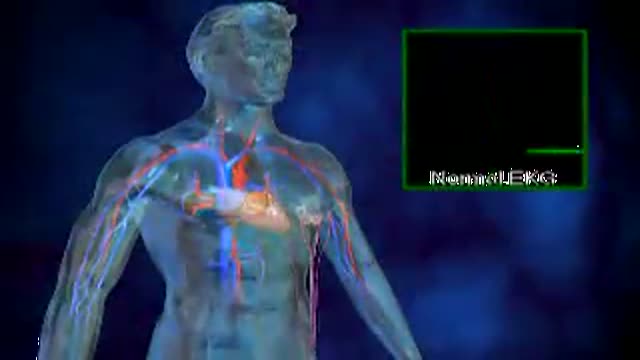
An irregular heartbeat means the pulse does not keep a steady rhythm — it may feel like extra beats, missed beats, or a completely irregular fluttering. The best-known cause is atrial fibrillation, in which the upper chambers of the heart quiver instead of beating in an organised way.
Possible causes
A symptom can have many causes, and most are not serious. The lists below group conditions this symptom can be associated with — common causes first. They are possibilities to discuss with a clinician, not a diagnosis.
Common causes
An irregular feeling can be associated with benign extra beats, which are common and more noticeable at rest, and with caffeine, alcohol, stress and tiredness.
Other possible causes
A persistently irregular pulse can be associated with atrial fibrillation or other rhythm problems, with thyroid overactivity, heart valve or muscle disease, and high blood pressure. Atrial fibrillation matters because it can raise the risk of stroke, and that risk can be reduced with treatment.
Red flags — when to seek help promptly
- An irregular pulse together with breathlessness, chest pain or fainting
- A newly irregular pulse in someone over 65, or with diabetes or high blood pressure
- Weakness or slurred speech on one side — possible stroke: call emergency services
- An irregular heartbeat that is present every time you check
What a clinician may do
A clinician will feel your pulse, listen to your heart, and arrange an ECG to identify the rhythm. Blood pressure checks and blood tests follow, and if atrial fibrillation is confirmed, the discussion includes stroke-prevention treatment and rate control.
Watch: related videos
Examination and clinical videos from the MedicalVideos.com library relevant to this symptom. Some clinical footage is graphic — that is the nature of a medical video library.
Related guides on MedicalVideos.com
Frequently asked questions
Can I check my own pulse for irregularity?
Yes — rest your fingers (not your thumb) on the wrist below the thumb, and feel for a full minute. A steady rhythm with an occasional odd beat is common; a rhythm that is irregular throughout is the pattern to report to your clinician.
Why does atrial fibrillation raise stroke risk?
When the upper chamber quivers rather than contracting, blood can pool and form clots that may travel to the brain. Modern treatment reduces that risk substantially, which is why finding the rhythm matters even when you feel well.
Related symptoms — Chest, Heart & Circulation
Browse the I section of the A–Z list or return to the Symptoms A–Z hub.