
- Physical Examination
- Surgical Examination
- Ophthalmology
- Clinical Skills
- Orthopedics
- Surgery Videos
- Laparoscopy
- Pediatrics
- Funny Videos
- Cardiothoracic Surgery
- Nursing Videos
- Plastic Surgery
- Otorhinolaryngology
- Histology and Histopathology
- Neurosurgery
- Dermatology
- Pediatric Surgery
- Urology
- Dentistry
- Oncology and Cancers
- Anatomy Videos
- Health and Fitness
- Radiology
- Anaesthesia
- Physical Therapy
- Pharmacology
- Interventional Radiology
- Cardiology
- Endocrinology
- Gynecology
- Emergency Medicine
- Psychiatry and Psychology
- Childbirth Videos
- General Medical Videos
- Nephrology
- Physiology
- Diet and Food Health
- Diabetes Mellitus
- Neurology
- Women Health
- Osteoporosis
- Gastroenterology
- Pulmonology
- Hematology
- Rheumatology
- Toxicology
- Nuclear Medicine
- Infectious Diseases
- Vascular Disease
- Reproductive Health
- Burns and Wound Healing
- Kidney Zone Podcast
- Other
Holter monitor (24–48 hour ECG)
Category: Heart Tests & Procedures · All heart tests & procedures
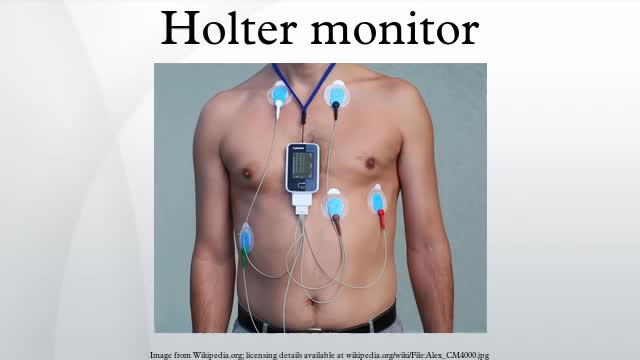
What it is
A Holter monitor is a small portable ECG recorder worn for 24 to 48 hours (sometimes longer) that records every heartbeat while you go about normal life.
Why it is done
It is used to investigate palpitations, dizzy spells, fainting and suspected rhythm problems that a standard 10-second ECG may miss, and to check how often rhythm problems occur.
How to prepare
You can shower beforehand but not while wearing most monitors. Avoid heavy creams on the chest so electrodes stick well. You will be shown how to keep a symptom diary.
What happens during the procedure
Electrodes are attached to your chest and connected to a small recorder worn on a belt or strap. You carry on normally, note the time of any symptoms in the diary, and return the device at the agreed time. The recording is then analysed, often by computer first and then reviewed by specialists.
Afterwards — recovery & results
There are no restrictions afterwards. Results usually take days to a couple of weeks depending on the service, and are sent to your doctor.
Risks & considerations
There are no medical risks. Skin under the electrodes can become itchy or irritated, and loose electrodes can spoil parts of the recording — the fitting team will show you how to press them back on.
Watch: Holter monitor (24–48 hour ECG) videos
Real procedure videos from the MedicalVideos.com library. Some clinical footage is graphic — that is the nature of a medical video library.
Related guides on MedicalVideos.com
Frequently asked questions
Can I exercise while wearing it?
Yes — normal activity, including exercise, is encouraged because the point is to record your heart during real life. The team will tell you if they want you to avoid anything specific.
What if I have no symptoms during the recording?
That is still useful information, but if symptoms are infrequent your doctor may arrange a longer-term recorder or an event monitor instead.
Related procedures — Heart Tests & Procedures
Browse the H section of the A–Z list or return to the Procedures & Tests hub.