
- Physical Examination
- Surgical Examination
- Ophthalmology
- Clinical Skills
- Orthopedics
- Surgery Videos
- Laparoscopy
- Pediatrics
- Funny Videos
- Cardiothoracic Surgery
- Nursing Videos
- Plastic Surgery
- Otorhinolaryngology
- Histology and Histopathology
- Neurosurgery
- Dermatology
- Pediatric Surgery
- Urology
- Dentistry
- Oncology and Cancers
- Anatomy Videos
- Health and Fitness
- Radiology
- Anaesthesia
- Physical Therapy
- Pharmacology
- Interventional Radiology
- Cardiology
- Endocrinology
- Gynecology
- Emergency Medicine
- Psychiatry and Psychology
- Childbirth Videos
- General Medical Videos
- Nephrology
- Physiology
- Diet and Food Health
- Diabetes Mellitus
- Neurology
- Women Health
- Osteoporosis
- Gastroenterology
- Pulmonology
- Hematology
- Rheumatology
- Toxicology
- Nuclear Medicine
- Infectious Diseases
- Vascular Disease
- Reproductive Health
- Burns and Wound Healing
- Kidney Zone Podcast
- Other
Swollen joints
Category: Muscles, Bones & Joints · All muscles & joints symptoms
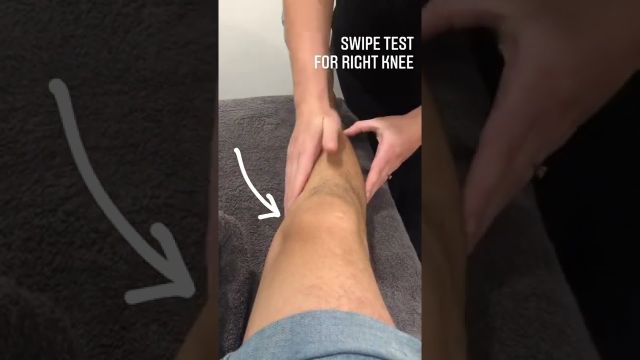
What it can feel like
A swollen joint means fluid or thickened lining has increased the joint's size — it looks puffy, feels tight, and movement is limited. One joint or many, sudden or gradual, painful or surprisingly painless: the combination defines the cause.
Possible causes
A symptom can have many causes, and most are not serious. The lists below group conditions this symptom can be associated with — common causes first. They are possibilities to discuss with a clinician, not a diagnosis.
Common causes
Swollen joints can be associated with sprains and injuries (blood or fluid inside the joint), osteoarthritis flares, gout (sudden, exquisitely painful, often the big toe or knee) and bursitis around the joint.
Other possible causes
Swollen joints can also be associated with infection inside the joint (an emergency, usually one joint with fever), inflammatory arthritis such as rheumatoid or psoriatic disease, and bleeding into the joint in people with clotting problems or on blood thinners.
Red flags — when to seek help promptly
- One hot, very painful swollen joint with fever — emergency
- Swelling after injury with rapid distension (blood in the joint)
- Swollen joints with a rash, sore eyes or back pain starting young
- A swollen joint that does not settle within a few days
What a clinician may do
A clinician will examine the joint and its range, ask about injury, other joints, skin and infections, and arrange blood tests. Sampling the joint fluid with a needle is often decisive — it tests for infection, gout crystals and blood — and ultrasound or X-ray may follow.
Watch: related videos
Examination and clinical videos from the MedicalVideos.com library relevant to this symptom. Some clinical footage is graphic — that is the nature of a medical video library.
Related guides on MedicalVideos.com
Frequently asked questions
Why take fluid out of the joint?
Joint fluid tells the story: crystals prove gout, white cells suggest infection or inflammation, blood suggests injury or a clotting problem, and growing bacteria identifies septic arthritis — the one diagnosis that cannot wait. The test is quick and changes management immediately.
Can gout affect joints other than the big toe?
Yes — the big toe is classic, but gout also flares in the midfoot, ankle, knee, wrist and the small bursa over the elbow. A suddenly hot, exquisitely tender joint that you cannot bear to touch is gout until proven otherwise, alongside infection.
Related symptoms — Muscles, Bones & Joints
Browse the S section of the A–Z list or return to the Symptoms A–Z hub.