
- Physical Examination
- Surgical Examination
- Ophthalmology
- Clinical Skills
- Orthopedics
- Surgery Videos
- Laparoscopy
- Pediatrics
- Funny Videos
- Cardiothoracic Surgery
- Nursing Videos
- Plastic Surgery
- Otorhinolaryngology
- Histology and Histopathology
- Neurosurgery
- Dermatology
- Pediatric Surgery
- Urology
- Dentistry
- Oncology and Cancers
- Anatomy Videos
- Health and Fitness
- Radiology
- Anaesthesia
- Physical Therapy
- Pharmacology
- Interventional Radiology
- Cardiology
- Endocrinology
- Gynecology
- Emergency Medicine
- Psychiatry and Psychology
- Childbirth Videos
- General Medical Videos
- Nephrology
- Physiology
- Diet and Food Health
- Diabetes Mellitus
- Neurology
- Women Health
- Osteoporosis
- Gastroenterology
- Pulmonology
- Hematology
- Rheumatology
- Toxicology
- Nuclear Medicine
- Infectious Diseases
- Vascular Disease
- Reproductive Health
- Burns and Wound Healing
- Other
Gynecology


The Lansinoh Latch Assist has been designed to extend inverted nipples - watch this video to see how.?

What are the best positions for labour? When your labour starts, you'll probably feel restless and want to move around and keep busy. Just take care that you don't get over-tired before your labour is properly under way. s your contractions get stronger, concentrate on them. Focus on what's happening to your body and your baby, and practise your breathing and relaxation exercises. Now is the time to find the positions and movements that help you to cope with your contractions. Your midwife should encourage and help you to keep moving around and find comfortable positions, preferably ones that are upright. You may think that you'll be most comfortable lying on the bed. But keeping as upright as possible will help: you to cope with your contractions you and your baby to cope better during labour You'll be able to keep moving by shifting your weight from one foot to another, or by rocking your pelvis. Some positions make it easier for your birth partner to massage your back, or breathe with you through the contractions. You could: Lean on a work surface, or on the back of a chair. Put your arms around your partner's neck or waist, and lean on him. Lean on the bed, with the height adjusted for your comfort, or on a window-sill. Kneel on a large cushion or pillow on the floor, and lean forwards on to the seat of a chair. Sit astride a chair, resting on a pillow placed across the top. Sit on the toilet, leaning forwards, or sit astride, leaning on to the cistern. Go on to all fours. Kneel on one leg, with the other leg bent..
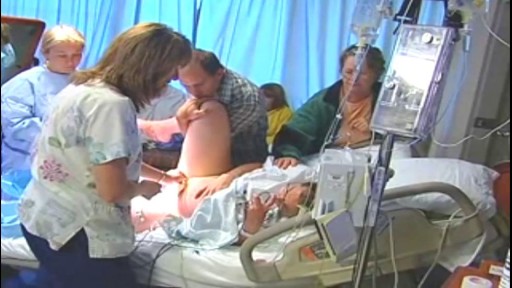
How to push a baby out video how to prevent tearing during labor and delivery

Woman suffers allergic reaction to nut protein in boyfriend's sperm.A British woman has become the first recorded case of someone suffering an allergic...

An ectopic pregnancy results when a fertilized egg implants outside the uterus. Unfortunately, there's no way to transplant an ectopic pregnancy into your uterus, so ending the pregnancy is the only option. About 2 percent of pregnancies are ectopic. Because ectopic pregnancy is potentially dangerous for you, it's important to recognize the early signs and get treatment as soon as possible.
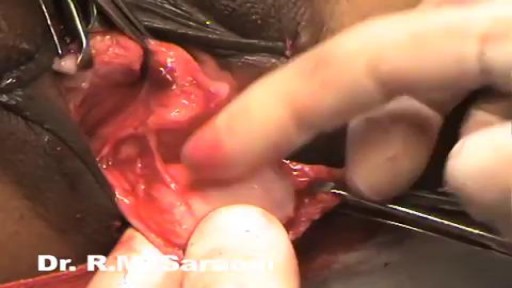
Cervical cancer occurs when abnormal cells on the cervix camera.gif grow out of control. The cervix is the lower part of the uterus that opens into the vagina. Cervical cancer can often be successfully treated when it's found early. It is usually found at a very early stage through a Pap test.
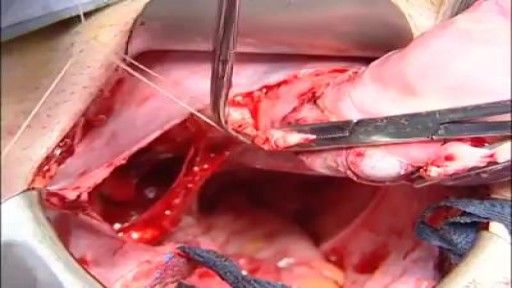
An abdominal hysterectomy is a surgical procedure that removes your uterus through an incision in your lower abdomen. Your uterus — or womb — is where a baby grows if you're pregnant. A partial hysterectomy removes just the uterus, leaving the cervix intact. A total hysterectomy removes the uterus and the cervix. Sometimes a hysterectomy includes removal of one or both ovaries and fallopian tubes, a procedure called a total hysterectomy with salpingo-oophorectomy (sal-ping-go-o-of-uh-REK-tuh-me). A hysterectomy can also be performed through an incision in the vagina (vaginal hysterectomy) or by a laparoscopic or robotic surgical approach — which uses long, thin instruments passed through small abdominal incisions.
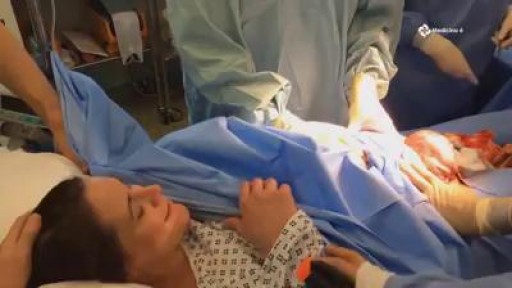
Most C-sections are done under regional anesthesia, which numbs only the lower part of your body — allowing you to remain awake during the procedure. A common choice is a spinal block, in which pain medication is injected directly into the sac surrounding your spinal cord

Your baby measures about 20.7 inches from head to toe and weighs about 6 pounds. The baby may drop lower in your abdomen, usually assuming the head-down position to prepare for birth. The brain has been developing rapidly, and your baby is practicing blinking. Mom-to-be: Your uterus has grown bigger these last few weeks and is probably up under your ribs. But you're in the home stretch! After this week, you'll see your doctor weekly. You may switch between fatigue and extra bursts of energy. You may also have an achier back and feel heaviness and discomfort in your buttocks and pelvis. Tip of the Week: Start stocking your freezer with foods that can be easily popped into the oven or microwave after you bring your baby home. Chili, casseroles, and other simple dishes can be prepared and frozen ahead of time for use later.
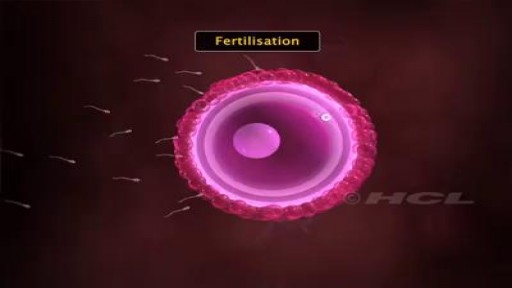
Millions of sperms are deposited into the vagina during sexual intercourse. The sperms make their way through the cervix into the uterus and then on to the fallopian tubes. As they swim along this way their numbers decline. Only a few hundred sperm will get close to the egg. During the trip, sperm prepare themselves to meet the egg by subtle alterations of their heads and movement patterns. Once inside the fallopian tube, the sperm attracts the egg by releasing a chemical. The egg is surrounded by a protective covering called the zona pellucida, which allows only one sperm to penetrate it. Once inside the egg, the head of the fertilizing sperm releases its genetic contents, which fuses with the nucleus of the egg. Fertilisation is now complete. Sperm are able to survive for 2-3 days within the female's reproductive tract. The length of the time that a woman's egg can be fertilized by a man's sperm ranges from 12-24 hours.
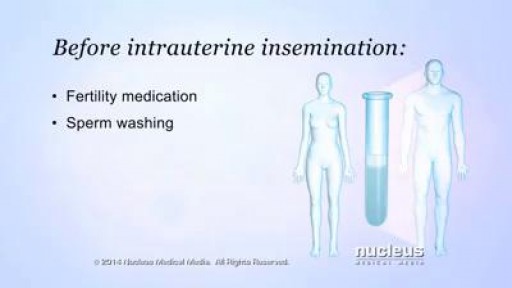
Intrauterine insemination (IUI) is a fertility treatment that involves placing sperm inside a woman's uterus to facilitate fertilization. The goal of IUI is to increase the number of sperm that reach the fallopian tubes and subsequently increase the chance of fertilization

Check out the remarkable bond between the mother and her baby.
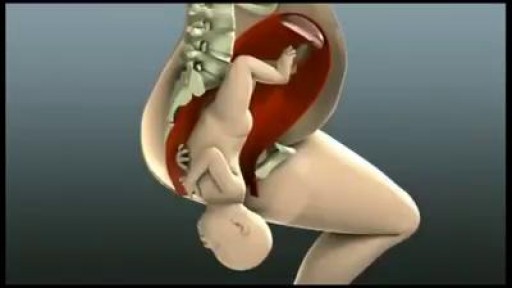
A natural, unmedicated approach to labor and birth will suit you best if you want to remain in control of your body as much as possible, be an active participant throughout labor, and have minimal routine interventions such as continuous electronic monitoring. If you choose to go this route, you accept the potential for pain and discomfort as part of giving birth. But with the right preparation and support, women often feel empowered and deeply satisfied by natural childbirth.

Baby born in amniotic sac

MRI scan of a 23-week-pregnancy
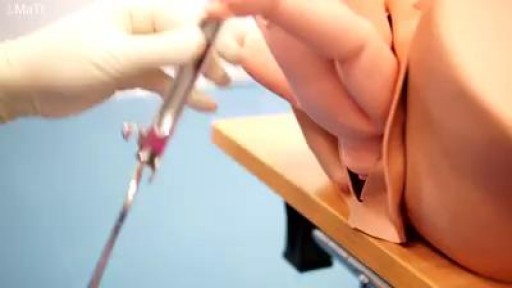
Most babies will move into delivery position a few weeks prior to birth, with the head moving closer to the birth canal. When this fails to happen, the baby’s buttocks and/or feet will be positioned to be delivered first. This is referred to as “breech presentation.” Breech births occur in approximately 1 out of 25 full-term births.

Ovarian dermoid cyst and mature cystic ovarian teratoma are terms often used interchangeably to refer to the most common ovarian neoplasm. These slow-growing tumours contain elements from multiple germ cell layers and are best assessed with ultrasound.
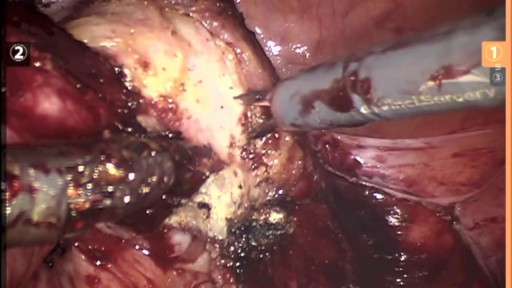
Hysterectomy is the surgical removal of the uterus. It ends menstruation and the ability to become pregnant. Depending on the reason for the surgery, a hysterectomy may also involve the removal of other organs and tissues such as the ovaries and/or fallopian tubes.

Premature Baby's Brief Life Touches Many Others
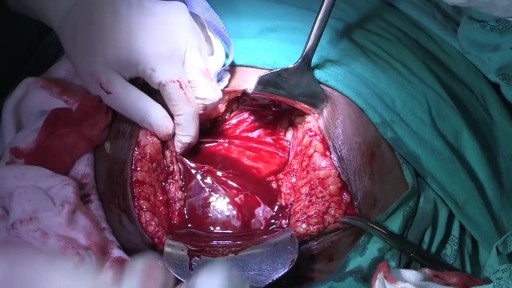
This video is a teaching aid for use in conjunction with broader surgical training
