
- Procedures & Tests
- Symptoms A-Z
- Symptom Checker
- Kidney Diet
- First Aid
- Anatomy Atlas
- Ask MedicalVideos
- Drug Guide
- Lab Values
- Vital Signs
- Muscles A–Z
- Clinical Signs
- Medical Abbreviations
- Medical Terminology
- Physical Examination
- Surgical Examination
- Ophthalmology
- Clinical Skills
- Orthopedics
- Surgery Videos
- Laparoscopy
- Pediatrics
- Funny Videos
- Cardiothoracic Surgery
- Nursing Videos
- Plastic Surgery
- Otorhinolaryngology
- Histology and Histopathology
- Neurosurgery
- Dermatology
- Pediatric Surgery
- Urology
- Dentistry
- Oncology and Cancers
- Anatomy Videos
- Health and Fitness
- Radiology
- Anaesthesia
- Physical Therapy
- Pharmacology
- Interventional Radiology
- Cardiology
- Endocrinology
- Gynecology
- Emergency Medicine
- Psychiatry and Psychology
- Childbirth Videos
- General Medical Videos
- Nephrology
- Physiology
- Diet and Food Health
- Diabetes Mellitus
- Neurology
- Women Health
- Osteoporosis
- Gastroenterology
- Pulmonology
- Hematology
- Rheumatology
- Toxicology
- Nuclear Medicine
- Infectious Diseases
- Vascular Disease
- Reproductive Health
- Burns and Wound Healing
- Kidney Zone Podcast
- Other
Latest videos
The newest additions to the MedicalVideos.com library — freshly curated medical and surgery videos, explainers, and lectures from educators and institutions worldwide.
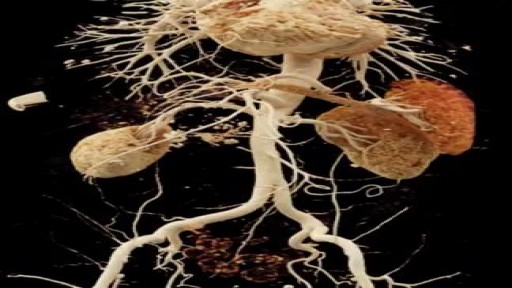

Cinematic Rendering of the Aorta Plus
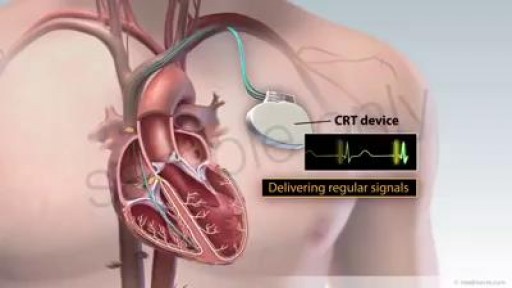
CRT is a clinically proven treatment option for some individuals with heart failure. A CRT device sends small electrical impulses to both lower chambers of the heart to help them beat together in a more synchronized pattern. This may improve the heart’s ability to pump blood and oxygen to your body. A CRT system is made up of two parts. The heart device, which is actually a tiny computer, plus a battery, contained in a small titanium metal case that is about the size of a pocket watch. Insulated wires, called leads, that are implanted to carry information signals from your heart to the heart device and to carry electrical impulses to your heart After the device system is implanted, an external computer, called a programmer, located at your doctor's office or clinic can be used to program the heart device and retrieve information from your heart device that will assist your doctor in your heart failure treatment. Your doctor will schedule periodic monitoring which may be done remotely if physician deems appropriate
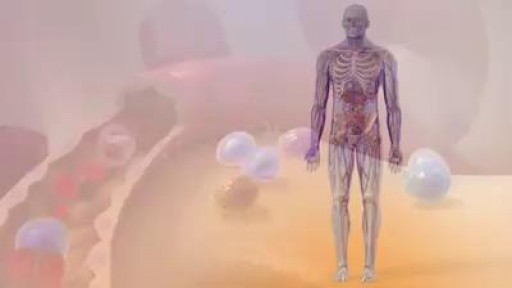
Types of multiple myeloma. Multiple myeloma is the most common type of plasma cell cancer. The bones and bone marrow are the main sites where myeloma cells (abnormal plasma cells) are produced. The myeloma cells can form tumours, called plasmacytomas, in many bones in the body.
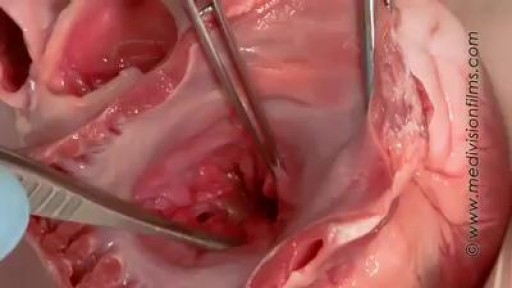
The heart weighs between 7 and 15 ounces (200 to 425 grams) and is a little larger than the size of your fist. By the end of a long life, a person's heart may have beat (expanded and contracted) more than 3.5 billion times. In fact, each day, the average heart beats 100,000 times, pumping about 2,000 gallons. Your heart is located between your lungs in the middle of your chest, behind and slightly to the left of your breastbone (sternum). A double-layered membrane called the pericardium surrounds your heart like a sac. The outer layer of the pericardium surrounds the roots of your heart's major blood vessels and is attached by ligaments to your spinal column, diaphragm, and other parts of your body. The inner layer of the pericardium is attached to the heart muscle. A coating of fluid separates the two layers of membrane, letting the heart move as it beats. Your heart has 4 chambers. The upper chambers are called the left and right atria, and the lower chambers are called the left and right ventricles. A wall of muscle called the septum separates the left and right atria and the left and right ventricles. The left ventricle is the largest and strongest chamber in your heart. The left ventricle's chamber walls are only about a half-inch thick, but they have enough force to push blood through the aortic valve and into your body.
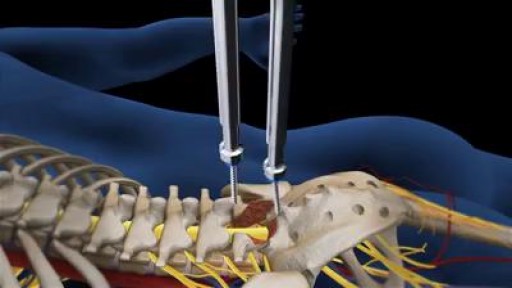
At each level of the spine, there is a disc space in the front and paired facet joints in the back. Working together, these structures define a motion segment (Fig. 1A). Back pain may result when injury or degenerative changes allow abnormal movement of the vertebrae to rub against one another, known as an unstable motion segment (Fig. 1B). Two vertebrae need to be fused to stop the motion at one segment. For example, an L4-L5 fusion is a one-level spinal fusion (Fig. 1C). A two-level fusion joins three vertebrae together and so on.
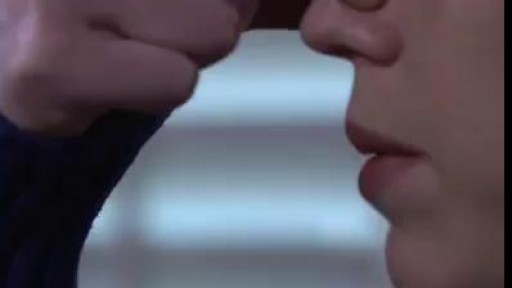
Think you're supposed to tilt your head to the sky when you have a nosebleed? Not so fast. Follow these steps instead:

Skin isn't just your body's biggest organ-- it's also the fastest growing.
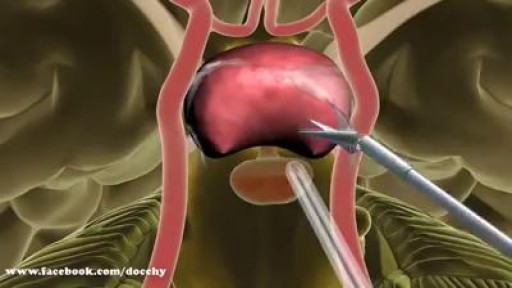
Minimally Invasive Brain Surgery To Remove Brain Tumors.
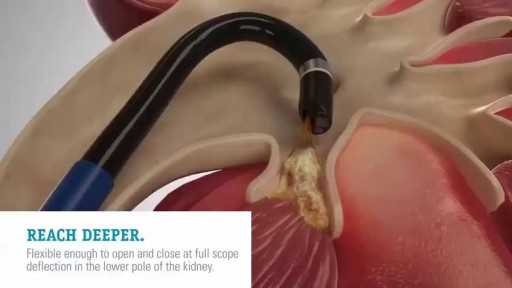
Kidney Stone Breaking Device video, very interesting
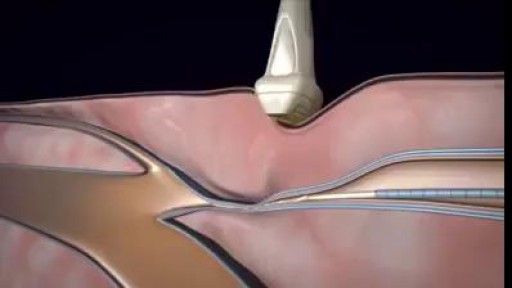
3D animation video of Varicose Veins Sclerotherapy Treatment
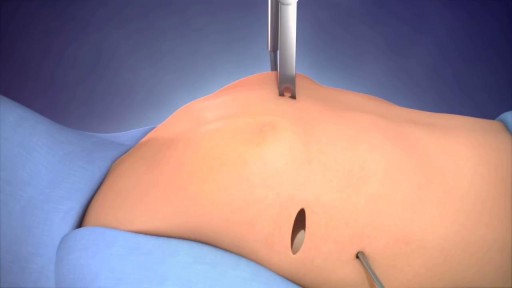
Surgical Repair of Pectus Excavatum. Pectus excavatum is a condition in which a person's breastbone is sunken into his or her chest.
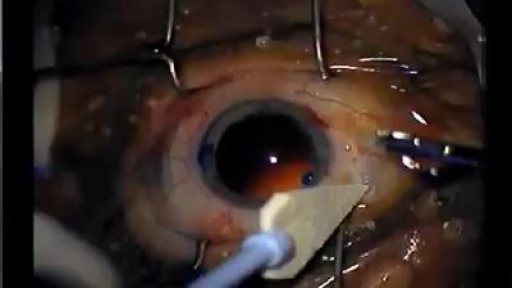
A cataract is a cloudiness of the normally transparent lens that is situated behind the iris. The lens focuses light rays on the retina at the back of the eye to produce a sharp image of what we see. When the lens becomes cloudy, the light rays cannot pass easily through it, and the image becomes blurry. It would be equivalent to having the lens in your camera becoming murky.
Patent ductus arteriosus (PDA), in which there is a persistent communication between the descending thoracic aorta and the pulmonary artery that results from failure of normal physiologic closure of the fetal ductus (see image below), is one of the more common congenital heart defects.
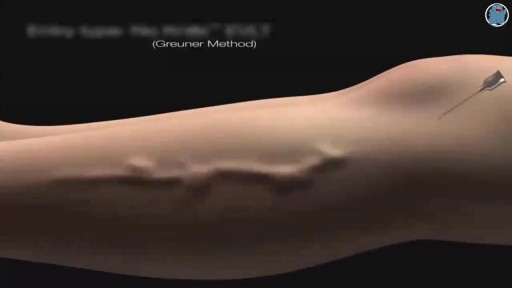
Animation of Scarless Varicose Vein Treatment No Knife Endovenous Laser
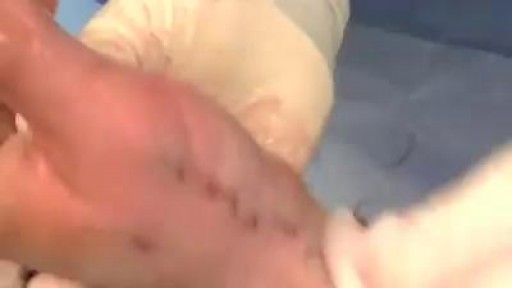
Intraarticular Fracture Base of Thumb Metacarpal Surgery
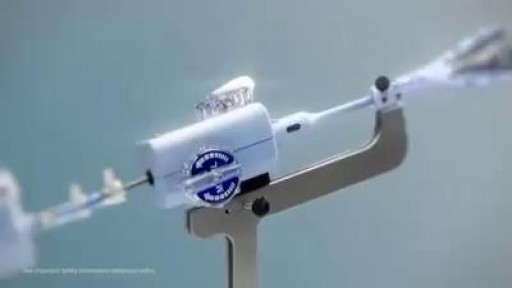
New MitraClip procedureMitral valve regurgitation, known as leaky heart valve, can be treated with the MitraClip procedure,
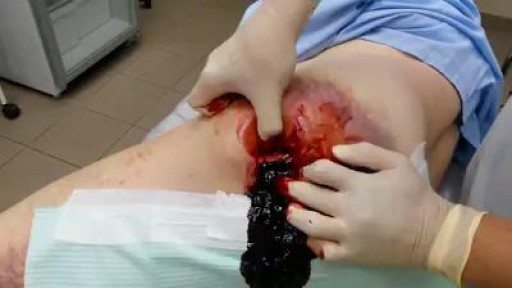
A hematoma is a collection of blood outside of a blood vessel. There are several types of hematomas and they are often described based on their location. Examples of hematomas include subdural, spinal, under the finger or toenail bed (subungual), ear, and liver (hepatic). Some causes of hematomas are as pelvic bone fractures, fingernail injuries (subungual), bumps, passing blood clots, blood clot in the leg (DVT), blood cancers, and excessive alcohol use. Symptoms of hematomas depend upon their location and whether adjacent structures are affected by the inflammation and swelling associated with the bleeding and may include
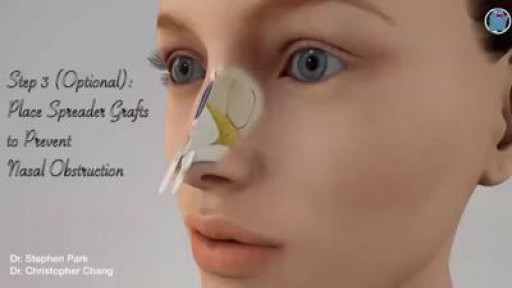
Removing a hump from the bridge is one of the most common things people want addressed during their rhinoplasty. Nasal humps can range widely in size. Perhaps you just have a small bump that you'd like refined? Or maybe you have more of a Roman Nose with a more dominating, distracting large hump? No matter if your nose falls on one of these extremes or somewhere in between rhinoplasty surgery can be used to reshape your nose. For anyone considering having a rhinoplasty to reduce a hump on their bridge there are several things to consider before having surgery.
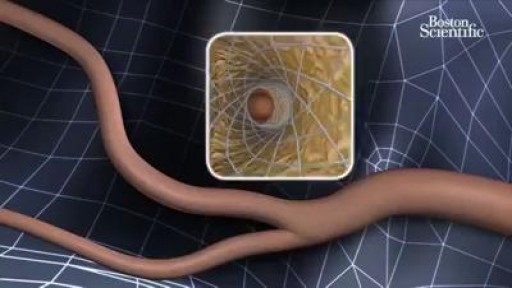
It involves placing a small, expandable tube called a stent in the narrowed artery. This procedure is also called carotid angioplasty and stenting. There are two carotid arteries-one on each side of the neck-that supply blood to the brain. These arteries can be narrowed and damaged by fatty deposits called plaque.
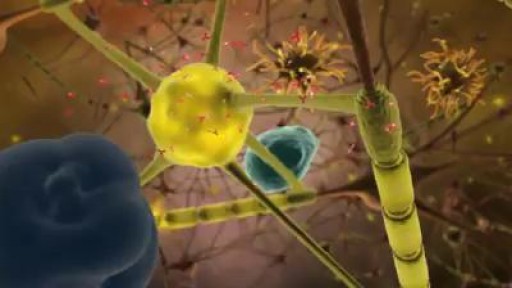
Multiple sclerosis (MS) affects the brain and spinal cord. Early MS symptoms include weakness, tingling, numbness, and blurred vision. Other signs are muscle stiffness, thinking problems, and urinary problems. Treatment can relieve MS symptoms and delay disease progression.
Medical Videos
Free medical and surgery videos for patients, students and professionals — trusted since 2007.
Founded by Dr. Mohamed Ibrahim, MD, PhD — physician-scientist.
Follow us on Facebook · Instagram