
- Physical Examination
- Surgical Examination
- Ophthalmology
- Clinical Skills
- Orthopedics
- Surgery Videos
- Laparoscopy
- Pediatrics
- Funny Videos
- Cardiothoracic Surgery
- Nursing Videos
- Plastic Surgery
- Otorhinolaryngology
- Histology and Histopathology
- Neurosurgery
- Dermatology
- Pediatric Surgery
- Urology
- Dentistry
- Oncology and Cancers
- Anatomy Videos
- Health and Fitness
- Radiology
- Anaesthesia
- Physical Therapy
- Pharmacology
- Interventional Radiology
- Cardiology
- Endocrinology
- Gynecology
- Emergency Medicine
- Psychiatry and Psychology
- Childbirth Videos
- General Medical Videos
- Nephrology
- Physiology
- Diet and Food Health
- Diabetes Mellitus
- Neurology
- Women Health
- Osteoporosis
- Gastroenterology
- Pulmonology
- Hematology
- Rheumatology
- Toxicology
- Nuclear Medicine
- Infectious Diseases
- Vascular Disease
- Reproductive Health
- Burns and Wound Healing
- Other
Latest videos
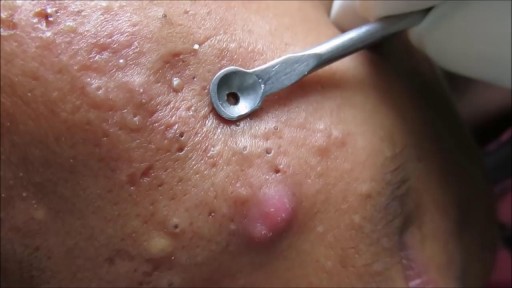

Comedone Extraction Video
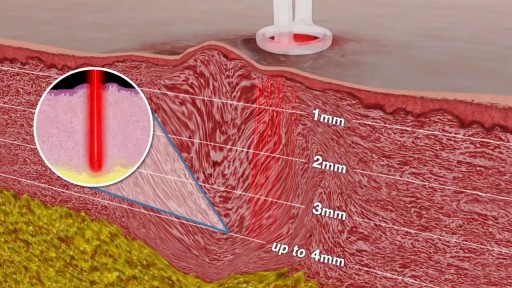
Scar revision includes techniques that improve the appearance of an unsightly scar, regardless of its size, type or age. This is typically not covered by insurance carriers and is treated as a cosmetic procedure. Though scars can never be completely removed, the appearance of scarring can be greatly diminished. Who Should Get Scar Revision? The best candidates for scar revision are in good health and have realistic expectations. Scar revision may be used to treat: Hyperpigmented scars Large or plainly visible scars Keloid scarring Raised scars Deep depression scars After scar revision, the appearance of your scar should be greatly reduced. Scar revision can improve the size, shape and color of your scar. Multiple procedures may be needed to achieve optimal results. There are several different techniques that can be used during your scar revision. During a consultation, we can discuss the best techniques and determine if you are a suitable candidate. What to Expect During Your Scar Revision Your scar revision may involve one or more of the following techniques: Topical treatments (gels, creams, external compression) can treat mild scarring or changes in pigmentation. Injectable treatments like dermal fillers are best for filling in scar depressions. These treatment options can provide long-lasting improvements, however, they are not always permanent. Surface treatments like chemical peels, dermabrasion, laser therapy and skin bleaching can improve skin tone and texture. More than one treatment may be needed to achieve optimal results. Surgical scar revision is only used in more severe cases. Reconstructive techniques like Z-plasty, tissue expansion, or skin grafting replace a prominent scar with a less noticeable scar. After Your Surgery Scar revision recovery varies depending on the procedure you have elected. Topical and injectable treatments rarely require downtime. Surface treatments and surgical removal can require several days of recovery. You may experience some temporary bruising, swelling, or discomfort. Over-the-counter or prescription medication can be used to manage pain. Topical and injectable treatments are likely to require sustained application to maintain results. The final results of surface treatments and surgical removal may not be visible for several weeks to months. It is important to protect the treatment area from direct sun exposure for several weeks. Additional details about your specific recovery will be discussed during your consultation.
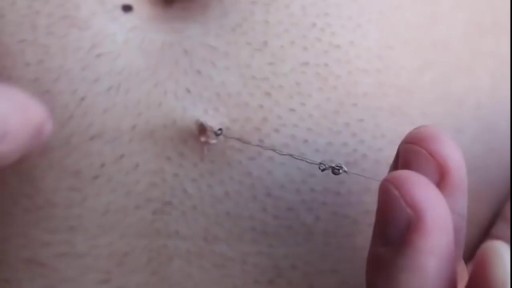
Longest Ingrown Hair Removal

Synthol, otherwise known as site enhancement oil is used by some people (including bodybuilders) to increase the apparent size of their muscles by directly injecting the oil into their muscle tissue. Users treat it as a short cut of looking like a body builder, without the actual hard work of bodybuilding training. With repeated injections, a larger volume of synthol builds up inside the muscle, expanding its size like a balloon filling up with air. Side effects of synthol can cause nerve damage, stroke, ulcers, pulmonary embolisms, and much more. Injecting synthol is very dangerous and if that doesn’t deter potential users, there is also a problem from an aesthetic standpoint; synthol use makes ones body look deformed (just see for yourself in the pictures below).
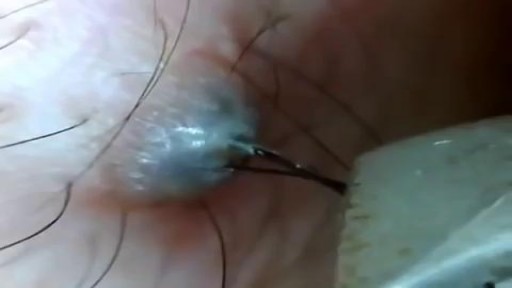
Ingrown Hair Removal Video
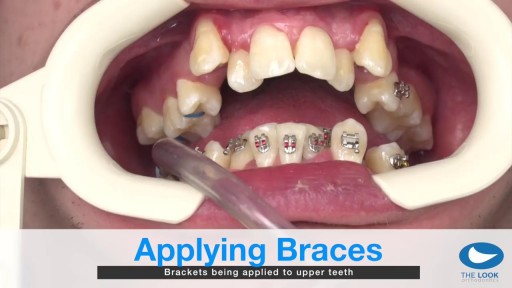
How teeth braces are put
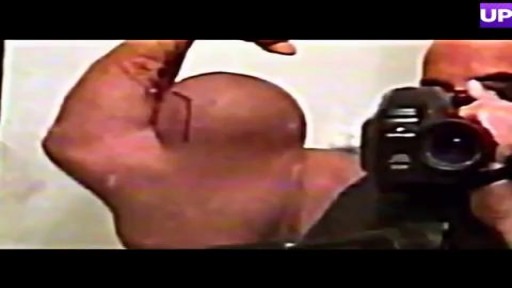
Bodybuilder Drains Synthol Hematoma From Bicep
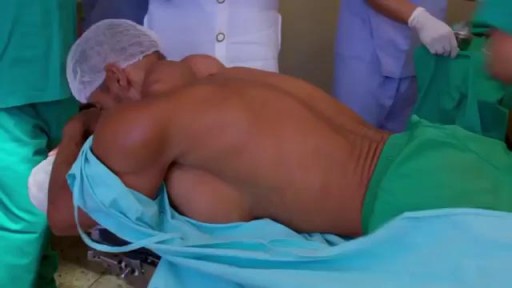
Site enhancement oil, often called "santol" or "synthol" (no relation to the Synthol mouthwash brand), refers to oils injected into muscles to increase the size or change the shape. Some bodybuilders, particularly at the professional level, inject their muscles with such mixtures to mimic the appearance of developed muscle where it may otherwise be disproportionate or lagging. This is known as "fluffing".Synthol is 85% oil, 7.5% lidocaine, and 7.5% alcohol. It is not restricted, and many brands are available on the Internet. The use of injected oil to enhance muscle appearance is common among bodybuilders, despite the fact that synthol can cause pulmonary embolisms, nerve damage, infections, sclerosing lipogranuloma,[60] stroke,[55] and the formation of oil-filled granulomas, cysts or ulcers in the muscle. Rare cases might require surgical intervention to avoid further damage to the muscle and/or to prevent loss of life. Sesame oil is often used in such mixtures, which can cause allergic reactions such as vasculitis.
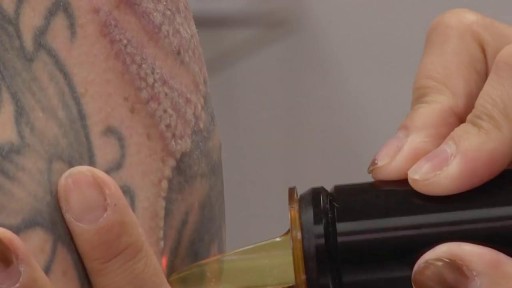
How a Tattoo is Removed
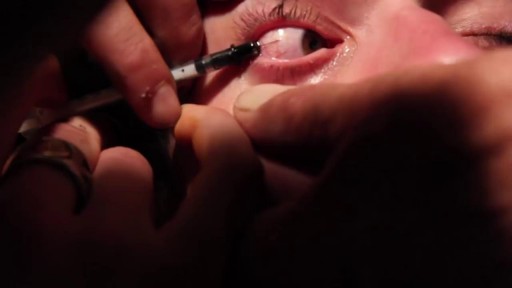
Eye Sclera Tattoo Procedure
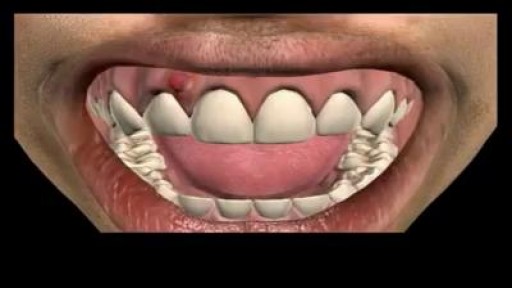
Tooth Abscess Relief

cleral tattooing is the practice of tattooing the sclera, or white part of the human eye. The dye is not injected into the tissue, but between two layers of the eye, where it spreads out over a large area. The process is not common

The common obsession among men and women of having a perfect body has lead them to many serious neurotic disorders. They are constantly exposed to the ideas of having the perfect body. We are bombarded with the images on social media which create a hype among men and women, to achieve the exact same ratio of fats in them. Body image is merely an image of your thoughts and perceptions. The way you think how people notices you can greatly impact yourself and your way of thinking about yourself. It becomes quite a big deal when you start to feel low about yourself. It leads you towards having a low self esteem and it becomes hard for you to feel worthy and confident. On contrary when you have good self esteem you feel empowered and confident. It is not the consequence of just liking your own body but its about accepting who you are and making people accept you as you are.
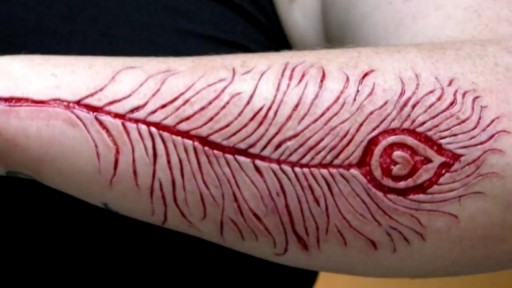
Bizarre Body Modifications
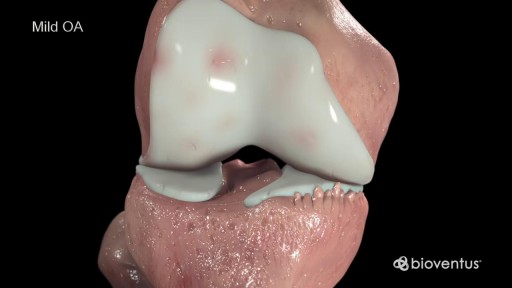
Cartilage is a slippery tissue that provides a smooth surface for joint motion and acts as a cushion between the bones. Synovium is soft, and it lines the joints. It produces fluid, called synovial fluid, for lubrication, and it supplies nutrients and oxygen to the cartilage. As these functions break down, they no longer protect the bones of the knee joint, and bone damage occurs. OA of the knee can cause pain and stiffness. The symptoms worsen over time
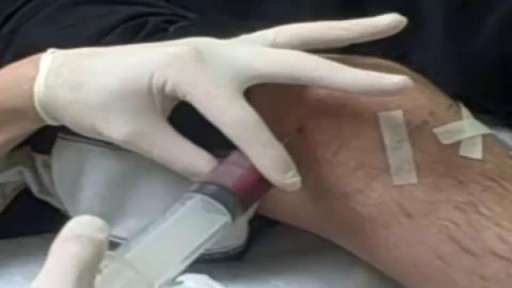
nee joint aspiration and injection are performed to aid in diagnosis and treatment of knee joint diseases. The knee joint is the most common and the easiest joint for the physician to aspirate. One approach involves insertion of a needle 1 cm above and 1 cm lateral to the superior lateral aspect of the patella at a 45-degree angle. Once the needle has been inserted 1 to 1½ inches, aspiration aided by local compression is performed. Local corticosteroid injections can provide significant relief and often ameliorate acute exacerbations of knee osteoarthritis associated with significant effusions. Among the indications for arthrocentesis are crystal-induced arthropathy, hemarthrosis, unexplained joint effusion, and symptomatic relief of a large effusion. Contraindications include bacteremia, inaccessible joints, joint prosthesis, and overlying infection in the soft tissue. Large effusions can recur and may require repeat aspiration. Anti-inflammatory medi

Trigeminal neuralgia is a chronic pain condition that affects the trigeminal nerve, which carries sensation from your face to your brain. If you have trigeminal neuralgia, even mild stimulation of your face — such as from brushing your teeth or putting on makeup — may trigger a jolt of excruciating pain. You may initially experience short, mild attacks. But trigeminal neuralgia can progress and cause longer, more-frequent bouts of searing pain. Trigeminal neuralgia affects women more often than men, and it's more likely to occur in people who are older than 50. Because of the variety of treatment options available, having trigeminal neuralgia doesn't necessarily mean you're doomed to a life of pain. Doctors usually can effectively manage trigeminal neuralgia with medications, injections or surgery.
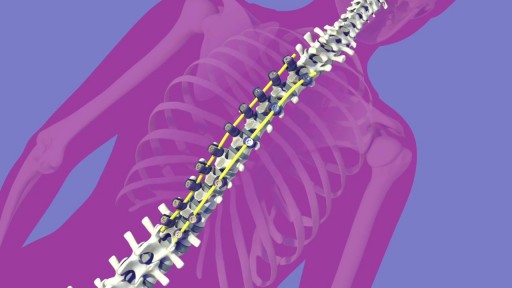
Most scoliosis surgeons agree that children who have very severe curves (45-50° and higher) will need surgery to lessen the curve and prevent it from getting worse. The operation for scoliosis is a spinal fusion. The basic idea is to realign and fuse together the curved vertebrae so that they heal into a single, solid bone. With the tools and technology available today, scoliosis surgeons are able to improve curves significantly.
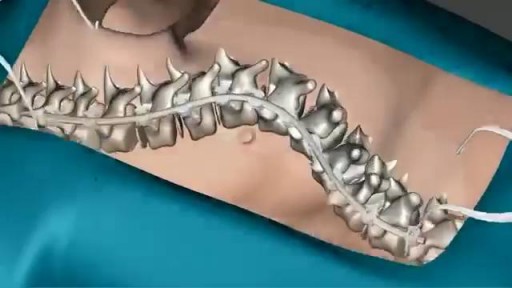
Scoliosis is a sideways curvature of the spine that occurs most often during the growth spurt just before puberty. While scoliosis can be caused by conditions such as cerebral palsy and muscular dystrophy, the cause of most scoliosis is unknown. Most cases of scoliosis are mild, but some children develop spine deformities that continue to get more severe as they grow. Severe scoliosis can be disabling. An especially severe spinal curve can reduce the amount of space within the chest, making it difficult for the lungs to function properly. Children who have mild scoliosis are monitored closely, usually with X-rays, to see if the curve is getting worse. In many cases, no treatment is necessary. Some children will need to wear a brace to stop the curve from worsening. Others may need surgery to keep the scoliosis from worsening and to straighten severe cases of scoliosis.
