
- Physical Examination
- Surgical Examination
- Ophthalmology
- Clinical Skills
- Orthopedics
- Surgery Videos
- Laparoscopy
- Pediatrics
- Funny Videos
- Cardiothoracic Surgery
- Nursing Videos
- Plastic Surgery
- Otorhinolaryngology
- Histology and Histopathology
- Neurosurgery
- Dermatology
- Pediatric Surgery
- Urology
- Dentistry
- Oncology and Cancers
- Anatomy Videos
- Health and Fitness
- Radiology
- Anaesthesia
- Physical Therapy
- Pharmacology
- Interventional Radiology
- Cardiology
- Endocrinology
- Gynecology
- Emergency Medicine
- Psychiatry and Psychology
- Childbirth Videos
- General Medical Videos
- Nephrology
- Physiology
- Diet and Food Health
- Diabetes Mellitus
- Neurology
- Women Health
- Osteoporosis
- Gastroenterology
- Pulmonology
- Hematology
- Rheumatology
- Toxicology
- Nuclear Medicine
- Infectious Diseases
- Vascular Disease
- Reproductive Health
- Burns and Wound Healing
- Other
Top videos
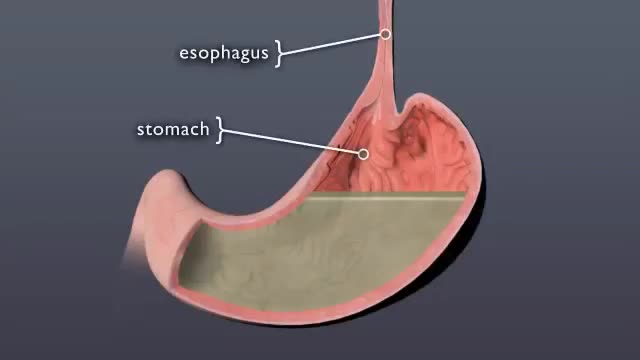

Discover what happens to pill when it swallowed
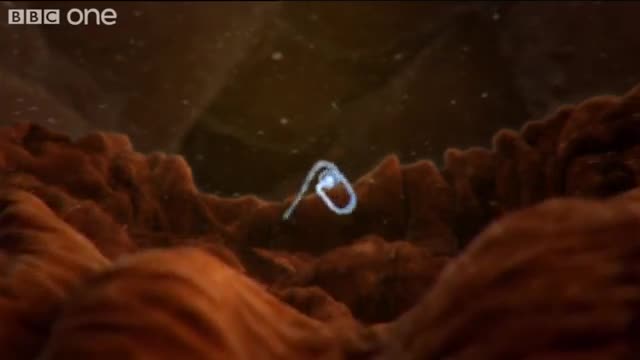
An antisperm antibody test looks for special proteins (antibodies) that fight against a man's sperm in blood, vaginal fluids, or semen. The test uses a sample of sperm and adds a substance that binds only to affected sperm. Semen can cause an immune system response in either the man's or woman's body. The antibodies can damage or kill sperm. If a high number of sperm antibodies come into contact with a man's sperm, it may be hard for the sperm to fertilize an egg. The couple has a hard time becoming pregnant. This is called immunologic infertility.

The abortion pill is a medicine called mifepristone that ends an early pregnancy.In general, it's used up to 70 days — 10 weeks — after the first day of a woman's last period. Patients over this mark can have an in-clinic abortion procedure.
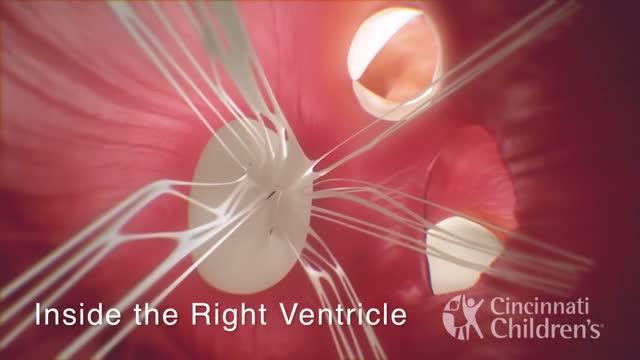
Interrupted aortic arch (IAA) is the absence or discontinuation of a portion of the aortic arch, the section of the aorta that turns downward toward the lower half of the body. Once the diagnosis of this rare defect is suspected and confirmed, treatment and surgical intervention are vitally important. Heart models and animation were developed by the Cincinn
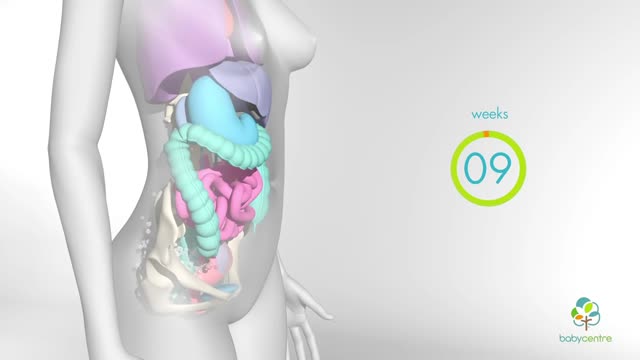
In your first few months of pregnancy, hormones flood your body. Your baby is still tiny but already your body is changing. Your breasts start to swell and may feel tender. Tiredness, nausea and frequent trips to the loo are common pregnancy symptoms.

Twins Conversation
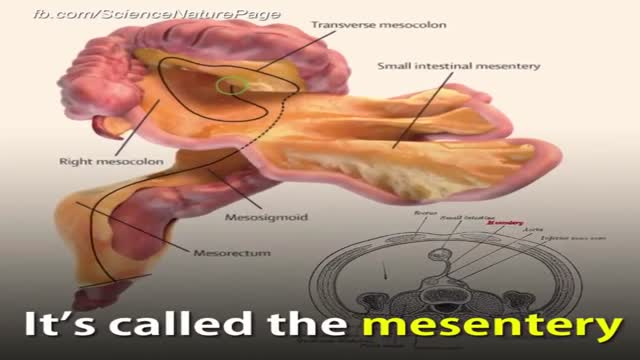
There is a new organ in your digestive system SHOW MORE
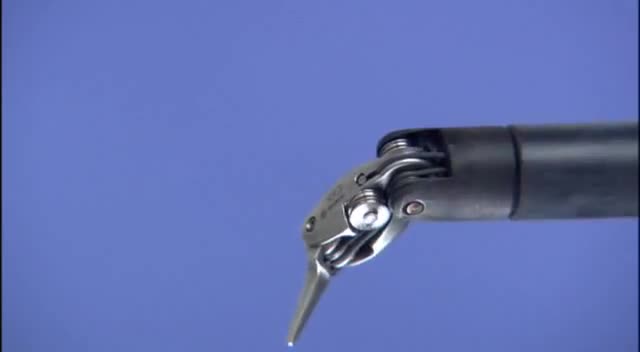
The da Vinci® Surgical System provides surgeons with an alternative to both traditional open surgery and conventional laparoscopy, putting a surgeon's hands at the controls of a state-of-the-art robotic platform. Our surgeons can perform even the most complex and delicate procedures through very small incisions with unmatched precision.

Fatty liver is a dangerous yet misunderstood disease. In America, it affects 90 million of us and 17 percent of our children.
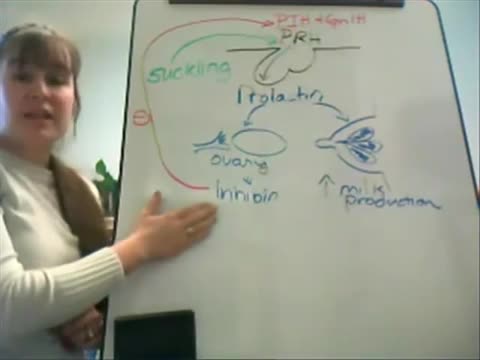
This video is designed for my introductory A&P course to study the endocrine system. This tutorial will take you through the various endocrine organs, hormones produced, and effects at each tissue. Prolactin is one of the 5 hormones we are studying of the anterior pituitary. SHOW MORE
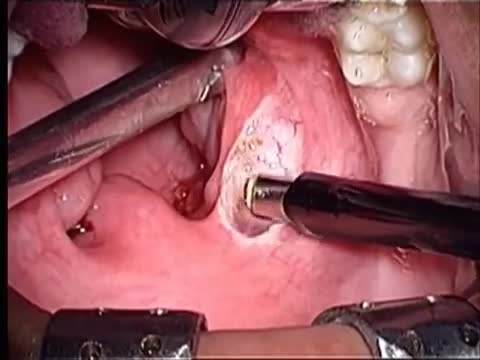
Tonsillectomy using coblation technique by wand Evac 70
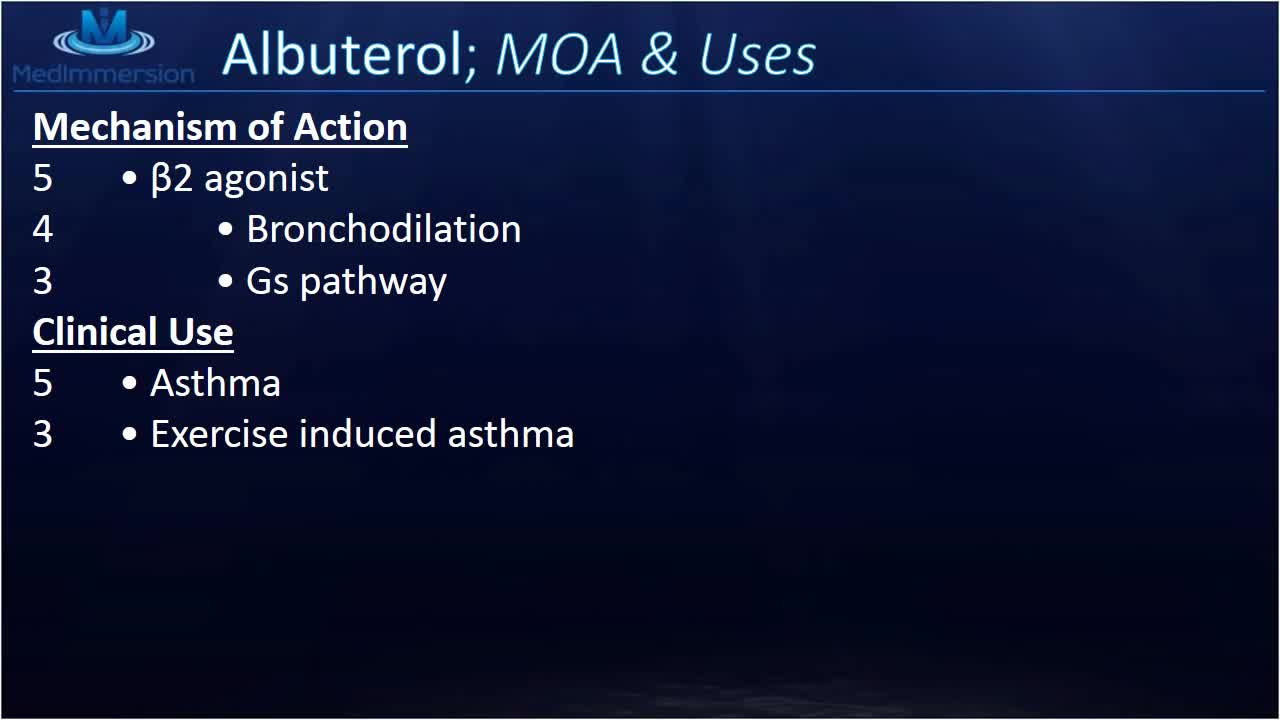
A short lecture on albuterol for self-study or review.
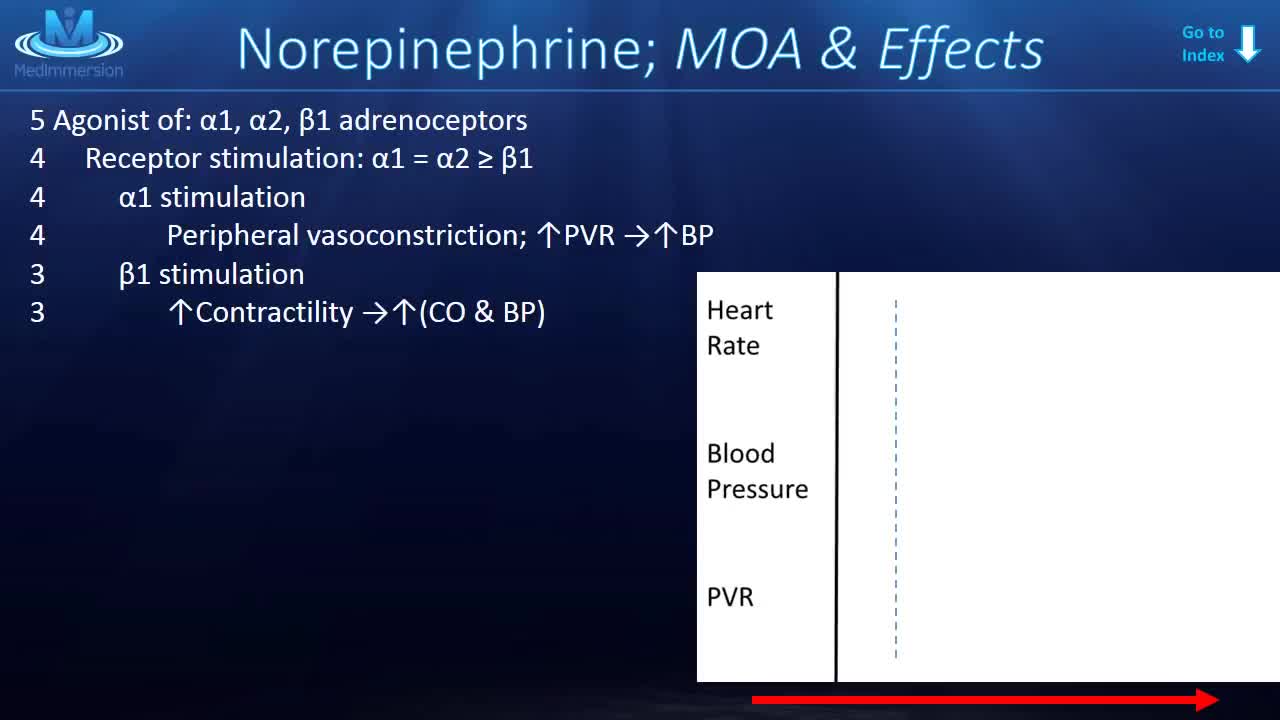
Norepinephrine is synthesized from dopamine by dopamine β-hydroxylase.[7] It is released from the adrenal medulla into the blood as a hormone, and is also a neurotransmitter in the central nervous system and sympathetic nervous system where it is released from noradrenergic neurons.
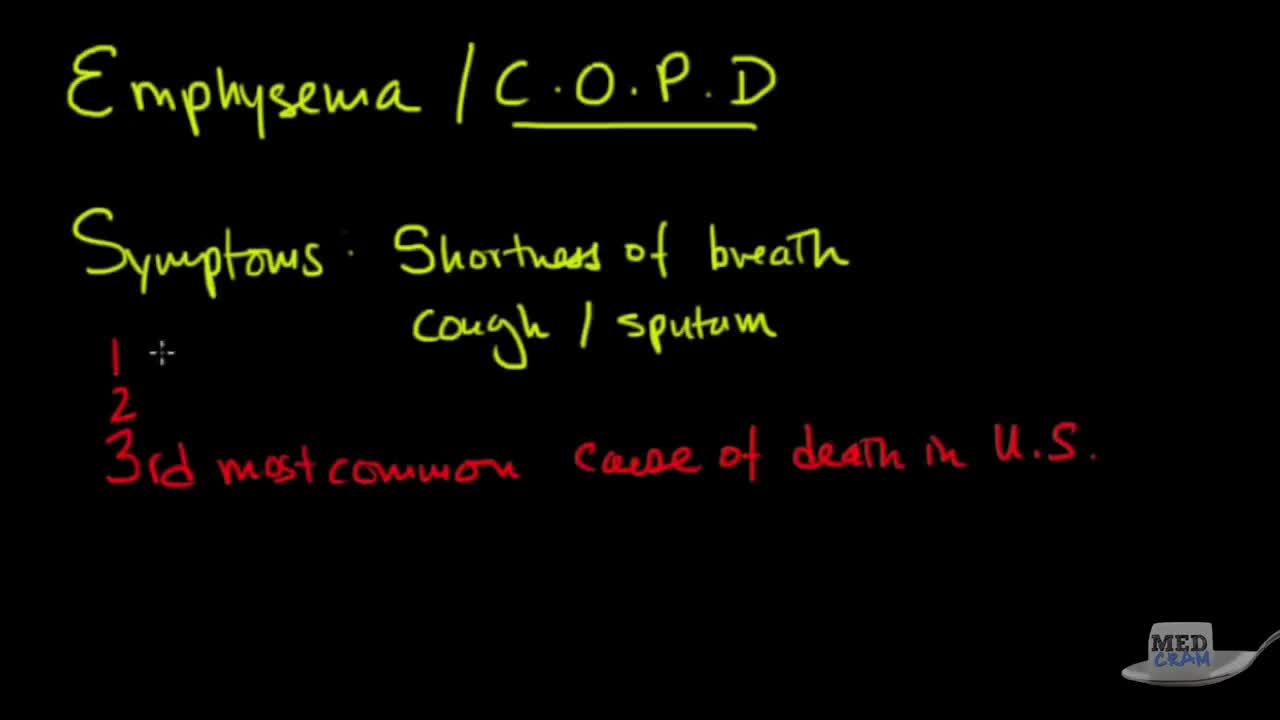
Emphysema, also known as COPD, is a chronic condition with multiple factors that impact survival and life expectancy. Stages of COPD are generally defined using the GOLD criteria (Global Initiative for Chronic Obstructive Lung Disease). It has four levels or stages: mild - or Stage 1.
The epididymis is a long coiled tube that lies above and behind each testicle. The epididymis collects and transports sperm from the testis to the vas deferens (tubes that transport sperm to the urethra). An epididymal cyst is a cyst-like mass in the epididymis that contains clear fluid. Typically, epididymal cysts and spermatoceles do not cause symptoms. When discovered, the epididymal cyst is usually about the size of a pea and feels separate from the top of the testis. Spermatoceles typically arise from the head of the epididymis, and are felt on the top portion of the testicle. Epididymal cysts and spermatoceles are often incidental findings on testicular self-examination or routine physical examination. It is important that any mass noted in the scrotum be examined by a urologist in order to obtain an accurate diagnosis, especially a mass on the testicle itself. Our team in the Division of Urology will typically be able to confirm the diagnosis on physical exam. However, a scrotal ultrasound may also be used in order to rule out other conditions.
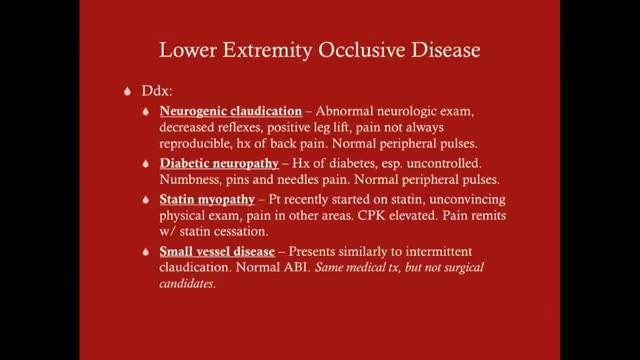
Claudication, which is defined as reproducible ischemic muscle pain, is one of the most common manifestations of peripheral arterial occlusive disease (PAOD) caused by atherosclerosis. Claudication occurs during physical activity and is relieved after a short rest. Pain develops because of inadequate blood flow. Examination of a patient with claudication should include a complete lower-extremity evaluation and pulse examination, including measuring segmental pressures. Attempt to palpate pulses from the abdominal aorta to the foot, with auscultation for bruits in the abdominal and pelvic regions. When palpable pulses are not present, a handheld Doppler device may be used to assess circulation.

Boxer’s Knuckle is an injury to the structures around the first knuckle of a finger, also known as the metacarpophalangeal joint (MPJ). The skin, extensor tendon, ligaments, joint cartilage, and the bone of the metacarpal head may all be involved. Repeated impacts to the extensor tendon over the knuckle causes Hypertrophic Interstitial Tendonosis, or HIT Syndrome. This is a thickening, weakening, inflammation, and scarring of the extensor tendon.
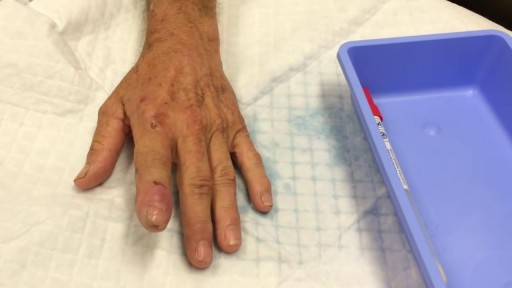
finger pulp abscess drainage EXPLOSION of pus
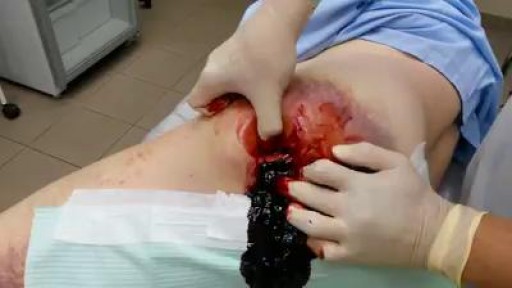
A hematoma is a collection of blood outside of a blood vessel. There are several types of hematomas and they are often described based on their location. Examples of hematomas include subdural, spinal, under the finger or toenail bed (subungual), ear, and liver (hepatic). Some causes of hematomas are as pelvic bone fractures, fingernail injuries (subungual), bumps, passing blood clots, blood clot in the leg (DVT), blood cancers, and excessive alcohol use. Symptoms of hematomas depend upon their location and whether adjacent structures are affected by the inflammation and swelling associated with the bleeding and may include
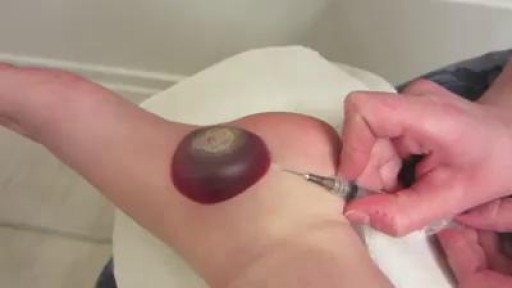
Big wart blister after freezing with liquid nitrogen.
