
- Physical Examination
- Surgical Examination
- Ophthalmology
- Clinical Skills
- Orthopedics
- Surgery Videos
- Laparoscopy
- Pediatrics
- Funny Videos
- Cardiothoracic Surgery
- Nursing Videos
- Plastic Surgery
- Otorhinolaryngology
- Histology and Histopathology
- Neurosurgery
- Dermatology
- Pediatric Surgery
- Urology
- Dentistry
- Oncology and Cancers
- Anatomy Videos
- Health and Fitness
- Radiology
- Anaesthesia
- Physical Therapy
- Pharmacology
- Interventional Radiology
- Cardiology
- Endocrinology
- Gynecology
- Emergency Medicine
- Psychiatry and Psychology
- Childbirth Videos
- General Medical Videos
- Nephrology
- Physiology
- Diet and Food Health
- Diabetes Mellitus
- Neurology
- Women Health
- Osteoporosis
- Gastroenterology
- Pulmonology
- Hematology
- Rheumatology
- Toxicology
- Nuclear Medicine
- Infectious Diseases
- Vascular Disease
- Reproductive Health
- Burns and Wound Healing
- Other
Top videos
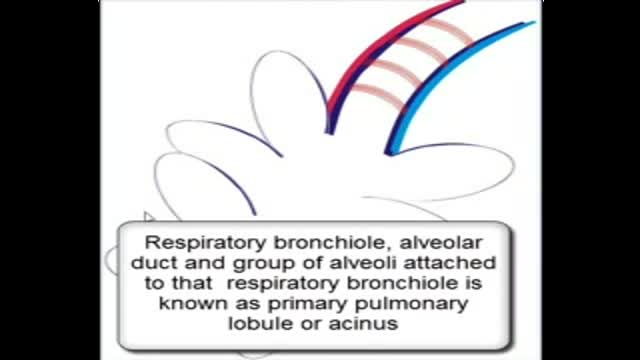

As above. Please see disclaimer on my website. www.academyofprofessionals.com

Watch that video to know the Premature Ejaculation Cures

Appendectomy (midline caecum)

A parasitic twin (also known as an asymmetrical or unequal conjoined twin) is the result of the processes that produce vanishing twins and conjoined twins, and may represent a continuum between the two. Parasitic twins occur when a twin embryo begins developing in utero, but the pair does not fully separate, and one embryo maintains dominant development at the expense of the other. Unlike conjoined twins, one ceases development during gestation and is vestigial to a mostly fully-formed, otherwise healthy individual twin. The undeveloped twin is defined as parasitic, rather than conjoined, because it is incompletely formed or wholly dependent on the body functions of the complete fetus. The independent twin is called the autosite.

Pediatric Neurological Examination

IV Dose Calculations
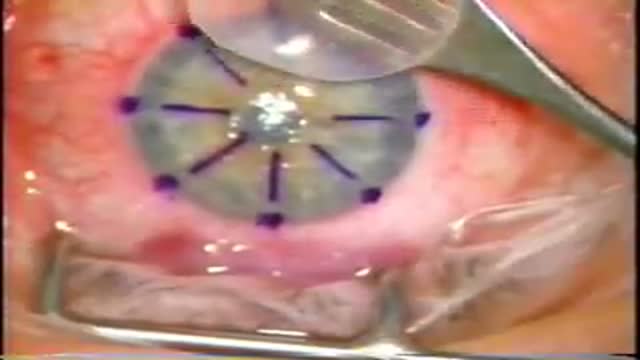
Most corneal transplants performed in the U.S. involve replacing the entire thickness of the diseased cornea with a healthy donor cornea (called penetrating keratoplasty or PK). In partial-thickness corneal transplants (LK), only the anterior (surface) layers of the cornea are removed. The donor cornea is then attached to the host corneal bed, containing only posterior (deeper) layers. LK is less risky, but tends to result in somewhat inferior vision vs. PK and cannot be performed if the disease process (e.g. scar) involves the deeper layers of the cornea.
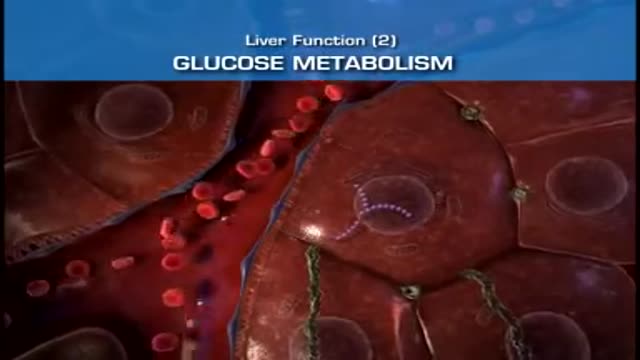
Cirrhosis is a late stage of scarring (fibrosis) of the liver caused by many forms of liver diseases and conditions, such as hepatitis and chronic alcoholism. The liver carries out several necessary functions, including detoxifying harmful substances in your body, cleaning your blood and making vital nutrients.Apr 6, 2016
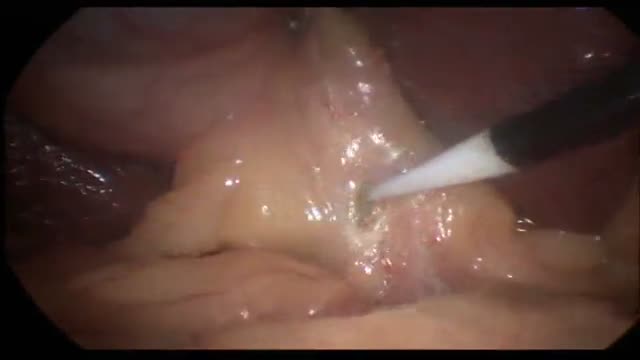
腹腔镜联合胆囊+阑尾切除术——普外寰潮网,汕头市第二人民医院
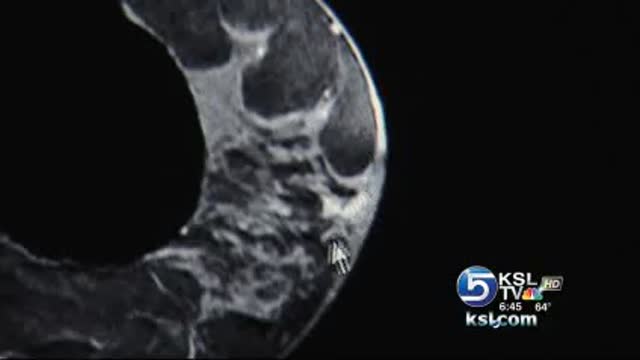
Paget's disease of the breast (also known as Paget's disease of the nipple ) is a malignant condition that outwardly may have the appearance of eczema, with skin changes involving the nipple of the breast.
The condition occurs when Paget's cells, which are large and irregular, form in the skin of the nipple. Although Paget believed the cells were not cancerous, it was later proved that the cells were themselves malignant, in addition to indicating underlying breast cancer. Since the condition is often innocuous and limited to a surface appearance, it is sometimes dismissed, despite the fact that it is indicative of a condition (breast cancer) that may prove fatal if left untreated.
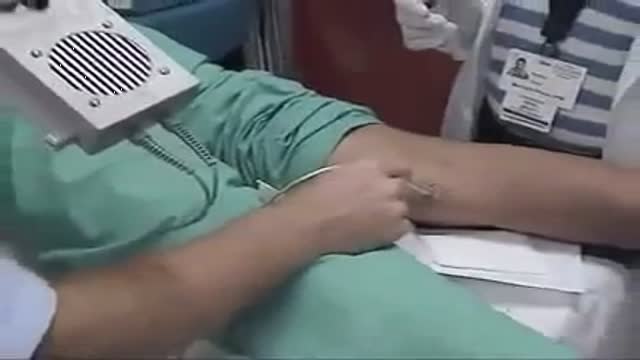
Politeal and Peroneal Nerves Block
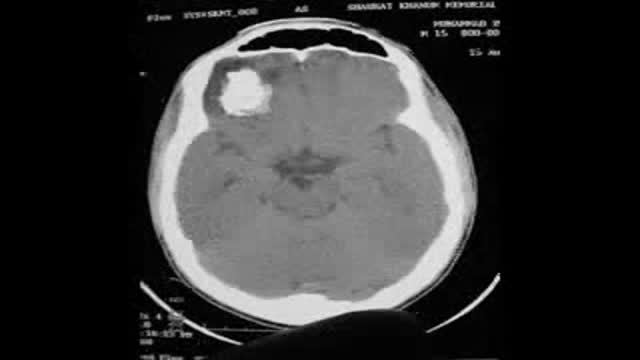
Calcified Brain Abscess complete removal

Mothers can do everything for her baby
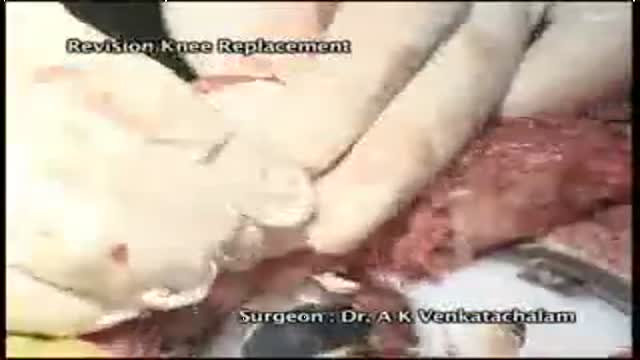
The revision knee operation with real implants is completed and the wound is closed.
Cleft Lip Surgery Millard Unilateral
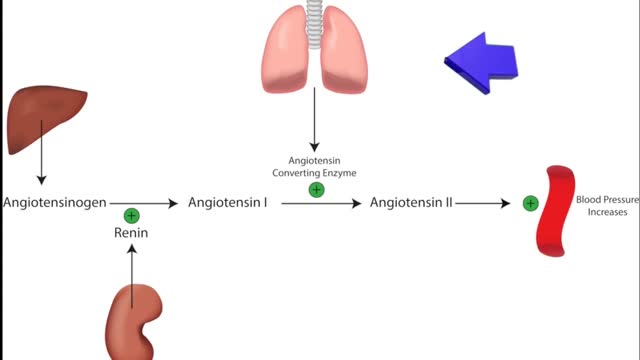
ACE inhibitors Email this page to a friend Print Facebook Twitter Google+ Angiotensin-converting enzyme (ACE) inhibitors are medicines. They treat heart, blood vessel, and kidney problems. How ACE inhibitors help ACE inhibitors are used to treat heart disease. These medicines make your heart work less hard by lowering your blood pressure. This keeps some kinds of heart disease from getting worse. Most people who have heart failure take these medicines. These medicines treat high blood pressure, strokes, or heart attacks. They may help lower your risk for stroke or heart attack. They are also used to treat diabetes and kidney problems. This can help keep your kidneys from getting worse. If you have these problems, ask your health care provider if you should be taking these medicines.
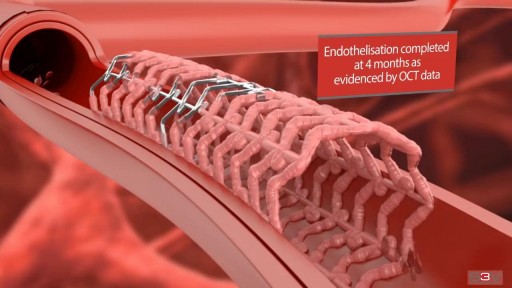
Angioplasty is a procedure to restore blood flow through the artery. You have angioplasty in a hospital. The doctor threads a thin tube through a blood vessel in the arm or groin up to the involved site in the artery. The tube has a tiny balloon on the end.

To present a new device for fixating the fibro-optic probe during phacoemulsification

Aortic Valve Replacement Animation
Intramuscular Injection Technique
