
Mga nangungunang video
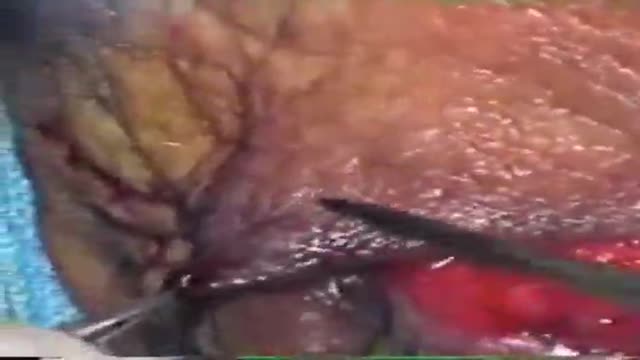

Eye Lid Jones Procedure
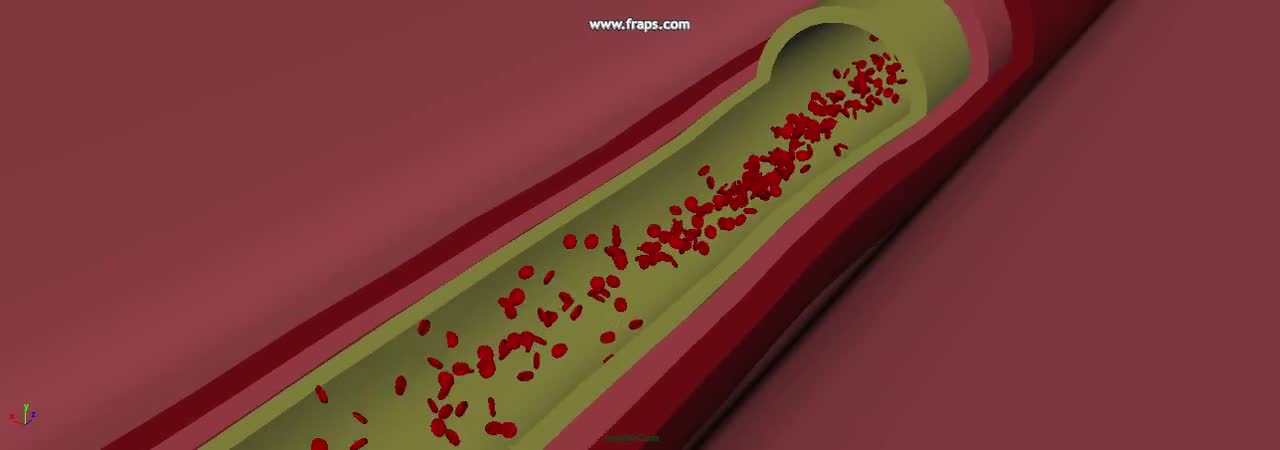
Prinzmetal's or Prinzmetal angina (/ˈprɪntsmɛtəl/, sounds like "prints metal") (also known as variant angina, vasospastic angina (VSA), angina inversa, or coronary vessel spasm) is a syndrome typically consisting of angina (cardiac chest pain) at rest that occurs in cycles.
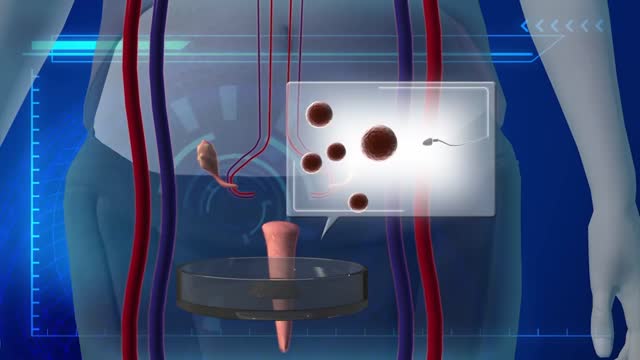
U.S. uterus transplants: experimental surgery could help infertile women get pregnant

If levels of both vitamins are extremely high, there is more than a 17-fold greater risk that a child will develop autism, the researchers said. Most of the women in the study said they took multivitamins — which would include folic acid and vitamin B12 — throughout their pregnancy.

New insulin therapy options are available to reduce the risk of hypoglycemia.
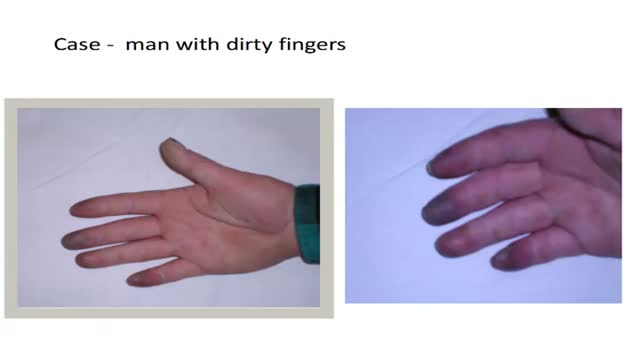
How to diagnose digital ulceration in out patient clinic.part III
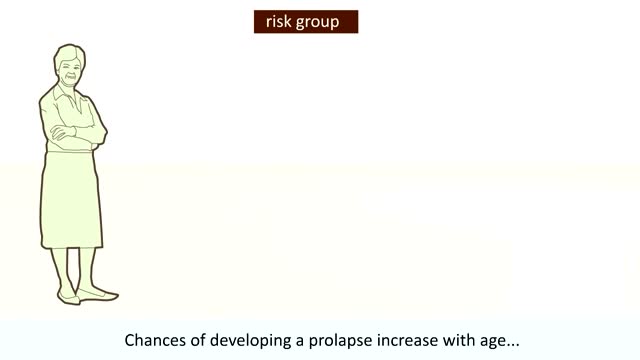
our uterus (or womb) is normally held in place inside your pelvis with various muscles, tissue, and ligaments. Because of pregnancy, childbirth or difficult labor and delivery, in some women these muscles weaken. Also, as a woman ages and with a natural loss of the hormone estrogen, her uterus can drop into the vaginal canal, causing the condition known as a prolapsed uterus.
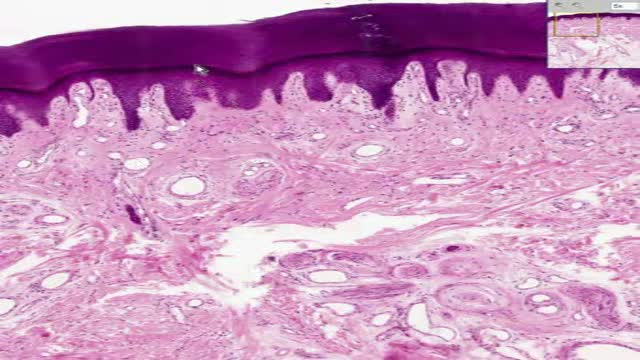
Histology of Thick Skin
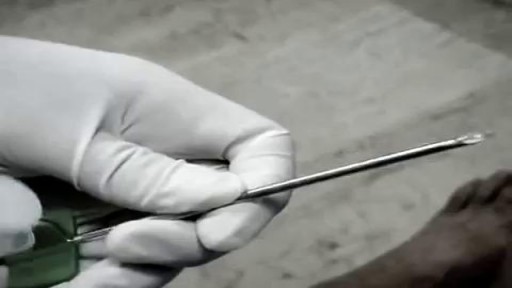
When placement of a urethral catheter is contraindicated or unsuccessful, percutaneous suprapubic urinary bladder catheterization is a commonly performed procedure to relieve urinary retention. [1, 2] This topic describes the Catheter over needle technique. The Seldinger technique is described in the Clinical Procedures topic Suprapubic Aspiration.
Hip dysplasia is the medical term for a hip socket that doesn't fully cover the ball portion of the upper thighbone. This allows the hip joint to become partially or completely dislocated
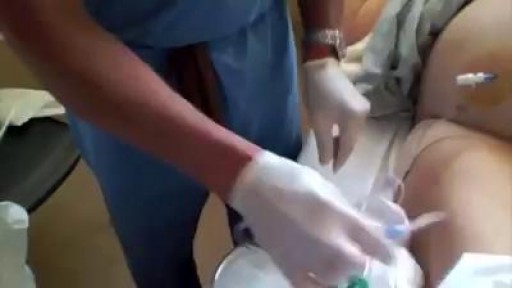
Paracentesis is a procedure to take out fluid that has collected in the belly (peritoneal fluid). This fluid buildup is called ascites camera.gif. Ascites may be caused by infection, inflammation, an injury, or other conditions, such as cirrhosis or cancer. The fluid is taken out using a long, thin needle put through the belly. The fluid is sent to a lab and studied to find the cause of the fluid buildup. Paracentesis also may be done to take the fluid out to relieve belly pressure or pain in people with cancer or cirrhosis.
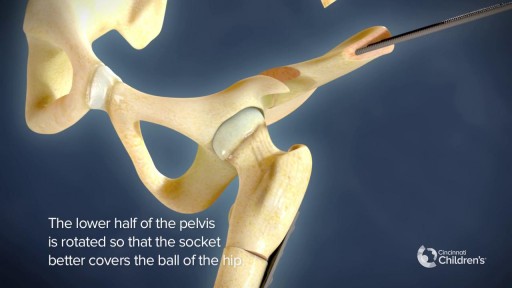
The hip is a "ball-and-socket" joint. In a normal hip, the ball at the upper end of the thighbone (femur) fits firmly into the socket, which is part of the large pelvis bone. In babies and children with developmental dysplasia (dislocation) of the hip (DDH), the hip joint has not formed normally.

Zinc deficiency symptoms include growth and development problems, hair loss, diarrhea, impotence, eye and skin conditions, and loss of appetite. Other symptoms may include weight loss, delayed wound healing, taste changes, and mental slowness.
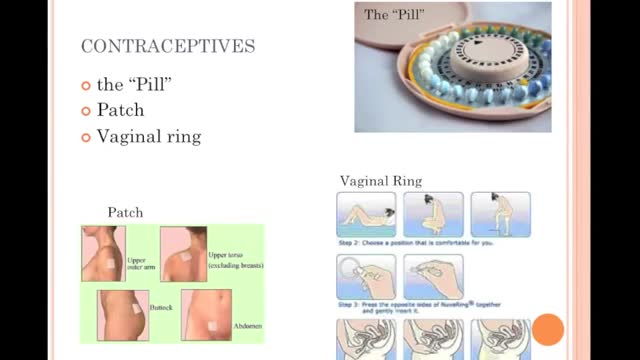
Choosing not to have sex provides 100 percent protection from HIV, STIs, and pregnancy. For some, this means avoiding vaginal, anal, and oral-genital intercourse altogether. Others may choose to avoid any type of sexual or intimate contact, including hugging and kissing. Choosing not to have sex is often referred to as “abstinence.” WHAT ARE THE ADVANTAGES OF CHOOSING NOT TO HAVE SEX (ABSTINENCE)? Choosing not to have sex is free and available to all. Not having sex is extremely effective at preventing both infection and pregnancy. It is the only 100% effective method of preventing sexually transmitted infections (STIs) and unintended pregnancy. Not having sex can be practiced at any time in one's life. Not having sex may encourage people to build relationships in other ways. Not having sex may be the course of action which you feel is right for you and makes you feel good about yourself.
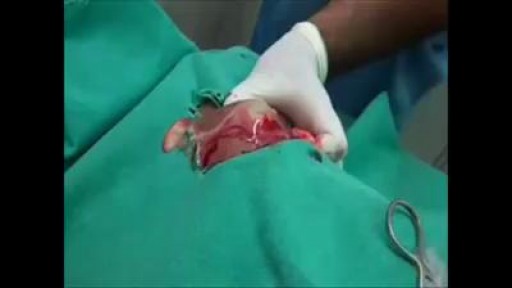
Different types of Abscess- Drainage and Aspiration of Pus.
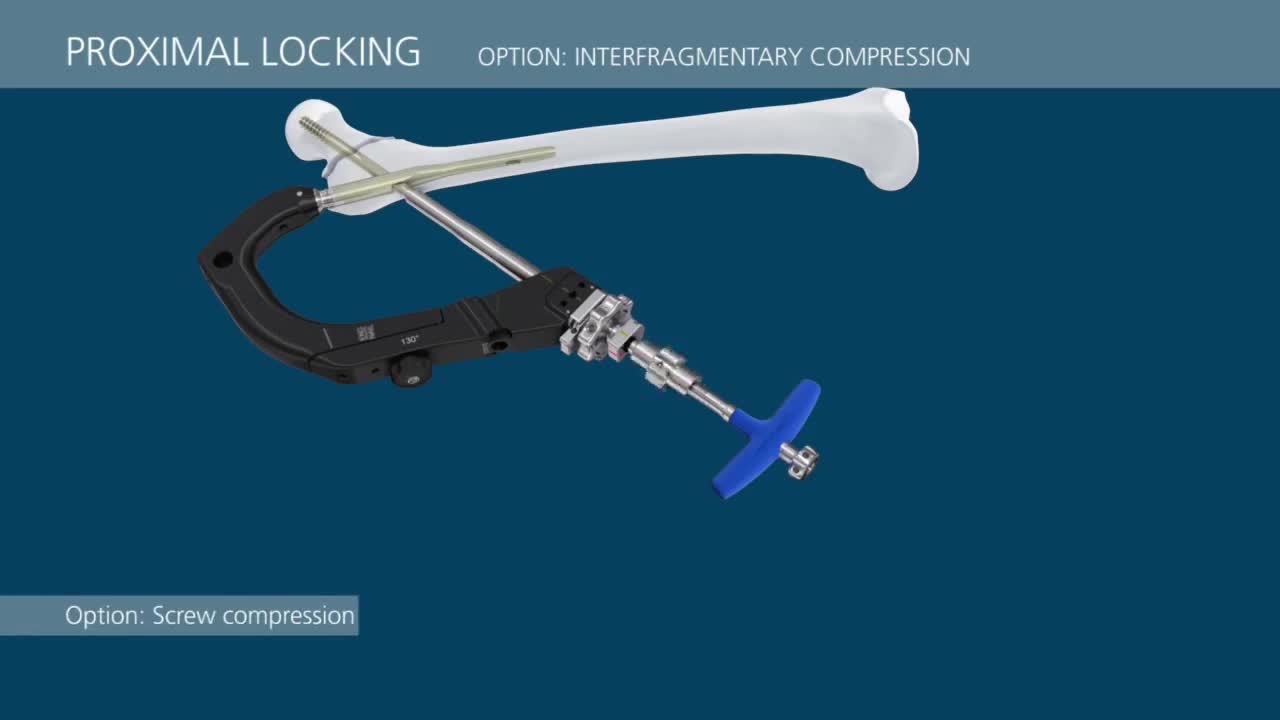
This video demonstrates a step-by-step technique for using the TFN-Advanced™ Proximal Femoral Nailing System (TFNA).
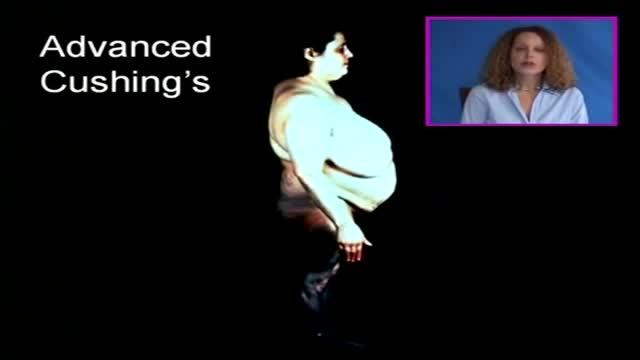
Cushing's disease is a serious condition of an excess of the steroid hormone cortisol in the blood level caused by a pituitary tumor secreting adrenocorticotropic hormone (ACTH). ACTH is a hormone produced by the normal pituitary gland. ACTH stimulates the adrenal glands (located on top of the kidneys) to produce cortisol, commonly referred to as the stress hormone.

The bone marrow aspiration is usually done first. The doctor makes a small incision, then inserts a hollow needle through the bone and into the bone marrow. Using a syringe attached to the needle, the doctor withdraws a sample of the liquid portion of the bone marrow. You may feel a brief sharp pain or stinging.
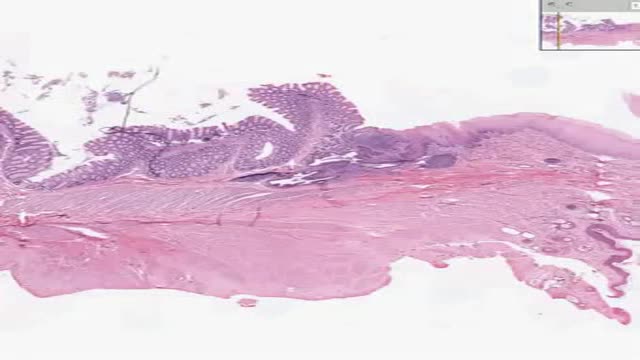
Histology of Rectoanal Junction
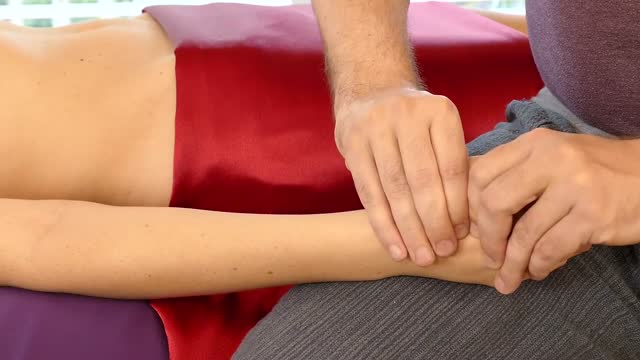
Carpal tunnel syndrome is a hand and arm condition that causes numbness, and other symptoms. Carpal tunnel syndrome is caused by a pinched nerve in your wrist. A number of factors can contribute to carpal tunnel syndrome, including the anatomy of your wrist, certain underlying health problems and possibly patterns of hand use. Bound by bones and ligaments, the carpal tunnel is a narrow passageway located on the palm side of your wrist. This tunnel protects a main nerve to your hand and the nine tendons that bend your fingers. Compression of the nerve produces the numbness, tingling and, eventually, hand weakness that characterize carpal tunnel syndrome.
