
- Physical Examination
- Surgical Examination
- Ophthalmology
- Clinical Skills
- Orthopedics
- Surgery Videos
- Laparoscopy
- Pediatrics
- Funny Videos
- Cardiothoracic Surgery
- Nursing Videos
- Plastic Surgery
- Otorhinolaryngology
- Histology and Histopathology
- Neurosurgery
- Dermatology
- Pediatric Surgery
- Urology
- Dentistry
- Oncology and Cancers
- Anatomy Videos
- Health and Fitness
- Radiology
- Anaesthesia
- Physical Therapy
- Pharmacology
- Interventional Radiology
- Cardiology
- Endocrinology
- Gynecology
- Emergency Medicine
- Psychiatry and Psychology
- Childbirth Videos
- General Medical Videos
- Nephrology
- Physiology
- Diet and Food Health
- Diabetes Mellitus
- Neurology
- Women Health
- Osteoporosis
- Gastroenterology
- Pulmonology
- Hematology
- Rheumatology
- Toxicology
- Nuclear Medicine
- Infectious Diseases
- Vascular Disease
- Reproductive Health
- Burns and Wound Healing
- Other
Top videos
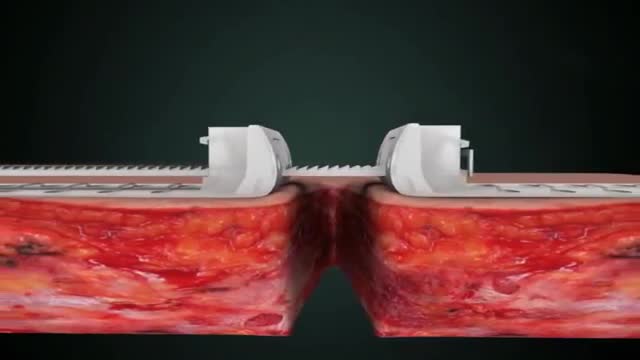

Wound closure techniques have evolved from the earliest development of suturing materials to comprise resources that include synthetic sutures, absorbables, staples, tapes, and adhesive compounds. The engineering of sutures in synthetic material along with standardization of traditional materials (eg, catgut, silk) has made for superior aesthetic results. Similarly, the creation of topical skin adhesives (the monomer 2-octyl cyanoacrylate), surgical staples, and tapes to substitute for sutures has supplemented the armamentarium of wound closure techniques. Aesthetic closure of a wound, whether traumatic or surgically induced, is based on knowledge of healing mechanisms and skin anatomy (see the image below), as well as an appreciation of suture material and closure technique. Choosing the proper materials and wound closure technique ensures optimal healing.[1]

aasd

Ventricular fibrillation is a heart rhythm problem that occurs when the heart beats with rapid, erratic electrical impulses. This causes pumping chambers in your heart (the ventricles) to quiver uselessly, instead of pumping blood. Sometimes triggered by a heart attack, ventricular fibrillation causes your blood pressure to plummet, cutting off blood supply to your vital organs. Ventricular fibrillation, an emergency that requires immediate medical attention, causes the person to collapse within seconds. It's the most frequent cause of sudden cardiac death. Emergency treatment includes cardiopulmonary resuscitation (CPR) and shocks to the heart with a device called a defibrillator. Treatments for those at risk of ventricular fibrillation include medications and implantable devices that can restore a normal heart rhythm.
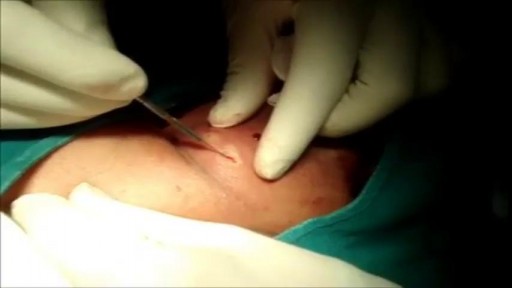
This is a 60 year man having large swelling of size 7cm x 5 cm behind neck for one year. Patient complained pain and tenderness over local area for 7 days and came to us.On examination punctum found in the centre of swelling and fluctuation positive.Infected sebaceous cyst diagnosis made. Incision and drainage surgery done under local anesthesia.all infected pultaceous material evacuated.Pus culture sent and antibiotics given as per sensitivity report. Patient improved with daily dressing.
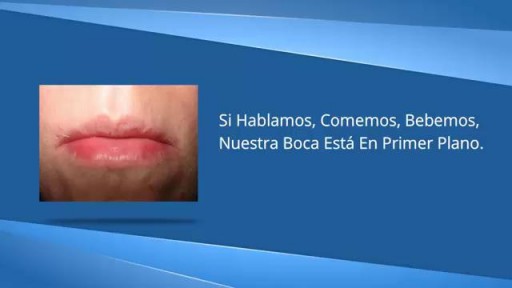
Boqueras Causas, Como Se Quitan Las Boqueras, Porque Salen Boqueras En La Boca, Queilitis Angular --- http://queilitis-angular.good-info.co --- Hay Que Actuar Ante Los Primeros Signos De Queilitis Angular. Las Primeras Manifestaciones De Queilitis Angular Suelen Ser Tenues Y Apenas Molestas. Pero No Por Ello Hay Que Ignorarlas, Porque Pueden Derivar En Problemas Mayores. La Queilitis Angular O Lo Que Comúnmente Se Llaman Boqueras, Comienza Por Grietas Minúsculas En Los Extremos De La Boca. También Se Empieza A Sentir Ardor Y Molestias Al Mover Los Labios O Al Abrir La Boca. ¿Qué Sucede Si No Se Atienden De Inmediato Esas Pequeñas Molestias? Difícilmente Se Irán Por Si Solas Sino Que, Por El Contrario, Comenzarán A Agravarse. Las Minúsculas Grietas Se Harán Cada Vez Más Pronunciadas Por El Continuo Movimiento De La Boca. Al Intensificarse Las Grietas Pueden Llegar A Convertirse En Llagas Y A Sangrar. Y Las Infecciones No Tardarán En Aparecer. La Queilitis Angular Puede Ser En Un Primer Momento Molesta Para Quien La Sufre. A Medida Que Avanza, Las Pequeñas Manifestaciones En La Boca Comienzan A Ser Bien Visibles Y Desagradables. Por Lo Que Al Ardor, Picazón Y Dolor, Se Le Suma El Hecho De Querer Ocultar La Afección Ante Los Demás. Cosa Que No Es Fácil De Lograr. A Pesar De Ser Pequeña, La Boca Es Uno De Los Lugares Más Visible Y Observado. Si Hablamos, Comemos, Bebemos, Nuestra Boca Está En Primer Plano. Ante Los Primeros Signos De Queilitis Se Puede Recurrir A Una Crema O Pomada Adecuada, Antiséptica, Antimicótica O Antifúngica. Si Bien Los Extremos De La Boca Deben Permanecer Libres De Saliva O Transpiración, Deben Estar Bien Hidratados. Cualquier Crema Antiséptica Que Se Utilice Debe Ser Libre De Perfumes Y Colorantes Químicos. Debe Detener La Descamación, A La Vez Que Calmar El Picor. El Área Afectada Tendrá Que Permanecer Bien Aseada, Procediendo A Secarla Sin Frotar, Como Para Que No Se Resienta Aún Más La Piel De Los Labios Y Sus Adyacencias. Para Curar La Queilitis Angular No Alcanza Con Los Tópicos Que Se Puedan Utilizar, Por Más Efectivas Que Sean Sus Fórmulas Desde Las Primeras Aplicaciones. Hay Que Llevar A Cabo Una Nutrición Balanceada, Variada Y Suficiente, Con Vitaminas, Minerales Y Oligoelementos. Un Análisis De Laboratorio Podrá Determinar Si Está Haciendo Falta El Aporte De Alguna Vitamina O Mineral. Asimismo, Conviene Evitar Los Lugares Muy Fríos Y/O Húmedos, Así Como Los Espacios Contaminados Por Polvillos O Cualquier Sustancia Irritante Para La Piel. Recomendamos Siempre Actuar Ante Los Primeros Síntomas De Queilitis. Si Se Frena La Dolencia Antes De Que Prospere Y Haga Eclosión, Se Evitará El Sufrimiento Que Puede Implicar Lidiar Contra Lesiones Serias En La Boca. Y Se Evitarán Las Temibles Huellas De Cicatrices Que Pueda Dejar Una Afección Prolongada. ¿Qué Podemos Hacer Ya Mismo? Hoy Existe Un Novedoso Tratamiento, Totalmente Natural Y Muy Simple, Con El Que Se Puede Eliminar La Queilitis Angular O Boqueras En Tan Solo 7 Días (O Menos). Este Revolucionario Sistema Ataca La Verdadera Causa De La Enfermedad Y No Solo Los Síntomas, Asegurando Resultados A Largo Plazo. Si Usted Desea Eliminar Para Siempre Esas Grietas Dolorosas Y La Vergüenza Que Causa Esta Afección, Puede Conocer Este Método De Resultados Comprobados Haciendo Clic En El Siguiente Enlace http://queilitis-angular.good-info.co
Sickle cell anemia is an inherited form of anemia: This is a condition in which there aren't enough healthy red blood cells to carry adequate oxygen throughout your body. Normally, your red blood cells are flexible and round, moving easily through your blood vessels. In sickle cell anemia, the red blood cells become rigid and sticky and are shaped like sickles or crescent moons. These irregularly shaped cells can get stuck in small blood vessels, which can slow or block blood flow and oxygen to parts of the body. There's no cure for most people with sickle cell anemia. However, treatments can relieve pain and help prevent further problems associated with sickle cell anemia.
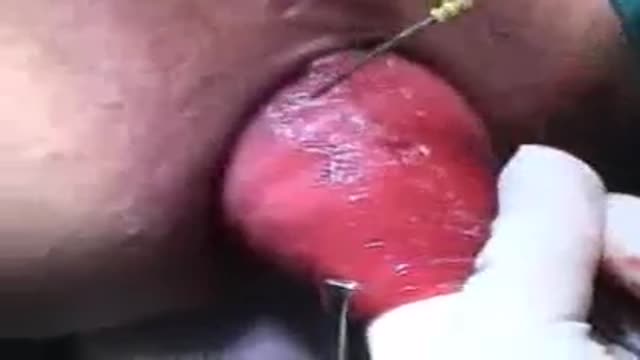
Perineal Protectomy for Rectal Prolapse
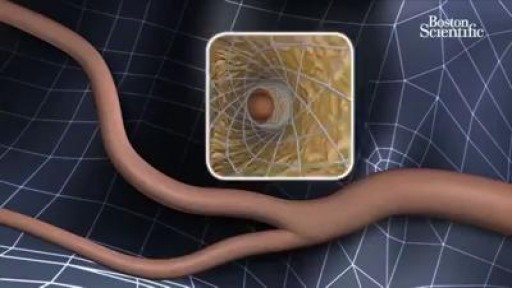
It involves placing a small, expandable tube called a stent in the narrowed artery. This procedure is also called carotid angioplasty and stenting. There are two carotid arteries-one on each side of the neck-that supply blood to the brain. These arteries can be narrowed and damaged by fatty deposits called plaque.
CIAP patienten hebben vaak pijn met al de karaketristieken van neuropathische pijn. Amitriptyline en pregabaline per os geven vaak bijwerkingen, vooral in de oudere patienten. Ons behandelprotocol gaf het volgende resultaat bij een refractaire patient met CIAP: palmitoylethanolamide (3 maal 400 mg capsules), samen met 10% topicale magistrale amitriptyline creme
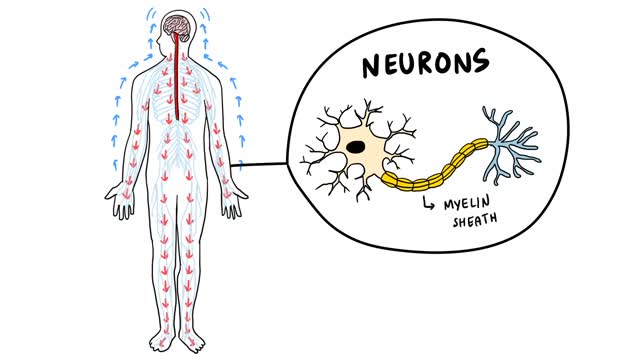
Guillain-Barre (gee-YAH-buh-RAY) syndrome is a rare disorder in which your body's immune system attacks your nerves. Weakness and tingling in your extremities are usually the first symptoms. These sensations can quickly spread, eventually paralyzing your whole body. In its most severe form Guillain-Barre syndrome is a medical emergency. Most people with the condition must be hospitalized to receive treatment. The exact cause of Guillain-Barre syndrome is unknown. But it is often preceded by an infectious illness such as a respiratory infection or the stomach flu. There's no known cure for Guillain-Barre syndrome, but several treatments can ease symptoms and reduce the duration of the illness. Most people recover from Guillain-Barre syndrome, though some may experience lingering effects from it, such as weakness, numbness or fatigue.
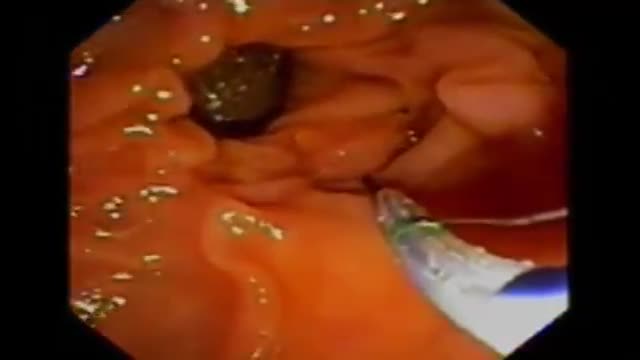
ERCP is most commonly performed to diagnose conditions of the pancreas or bile ducts, and is also used to treat those conditions. It is used to evaluate symptoms suggestive of disease in these organs, or to further clarify abnormal results from blood tests or imaging tests such as ultrasound or CT scan. The most common reasons to do ERCP include abdominal pain, weight loss, jaundice (yellowing of the skin), or an ultrasound or CT scan that shows stones or a mass in these organs. ERCP may be used before or after gallbladder surgery to assist in the performance of that operation. Bile duct stones can be diagnosed and removed with an ERCP. Tumors, both cancerous and noncancerous, can be diagnosed and then treated with indwelling plastic tubes that are used to bypass a blockage of the bile duct. Complications from gallbladder surgery can also sometimes be diagnosed and treated with ERCP. In patients with suspected or known pancreatic disease, ERCP will help determine the need for surgery or the best type of surgical procedure to be performed. Occasionally, pancreatic stones can be removed by ERCP.
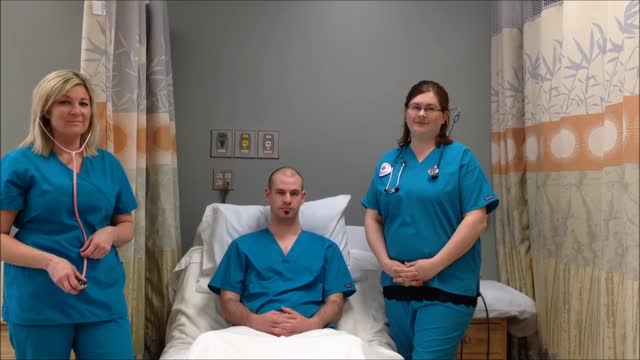
Breath sounds can be either normal or abnormal. These sounds come from the lungs when you breathe in or out. These sounds can be heard using a stethoscope or simply when breathing. Abnormal breath sounds can indicate a lung problem, such as: an obstruction inflammation an infection fluid in the lungs asthma Listening to breath sounds is an important part of diagnosing many different medical conditions.
Your First Baby
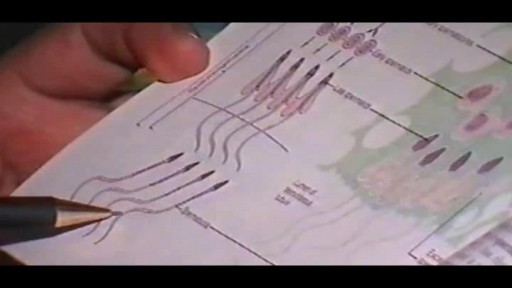
How Does Your Sexual System Work 2 .آپ کا جنسی نظام کیسے کام کرتا ہے؟

Plantar warts are hard, grainy growths that usually appear on the heels or balls of your feet, areas that feel the most pressure. This pressure also may cause plantar warts to grow inward beneath a hard, thick layer of skin (callus). Plantar warts are caused by the human papillomavirus (HPV). The virus enters your body through tiny cuts, breaks or other weak spots on the bottom of your feet. Most plantar warts aren't a serious health concern and may not require treatment. But plantar warts can cause discomfort or pain. If self-care treatments for plantar warts don't work, you may want to see your doctor to have them removed.
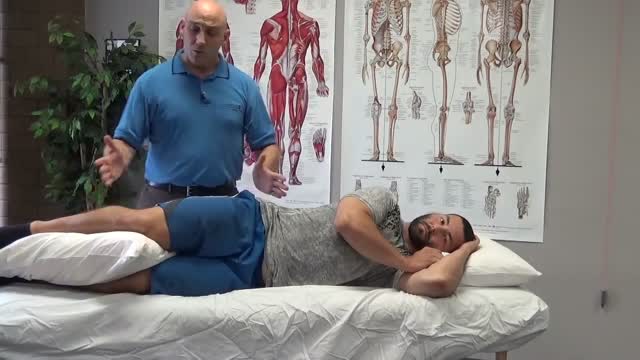
It flattens the natural curve of the spine, which can lead to lower back pain. Sleeping all night with the head turned to one side also strains the neck. If this is the preferred position, try using pillows to gradually train the body to sleep on one side
Take regular breaks. If you are in a prolonged standing position or a prolonged sitting position, take regular breaks and move your arms or legs. Take a short walk, do some leg or arm exercises, on the spot walking/running, or take a walk outside the workplace. Get your circulation moving to your extremities.
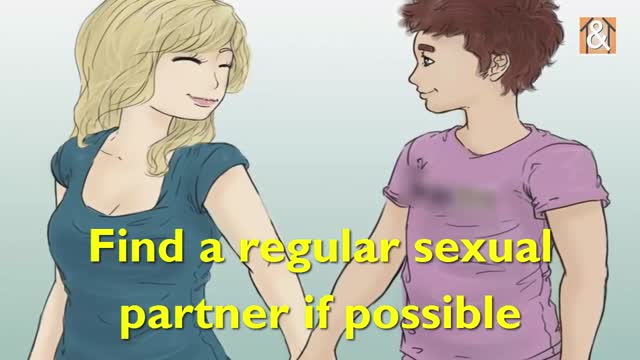
According to a recent study, most people's sexual romps last about 1.5–7 minutes. But, as Dr. Harry Fisch writes in his new book The New Naked: The Ultimate Sex Education for Grownups, 45 percent of men come in two minutes or less, leaving their female partners orgasmless. Here are some ways to extend your man's sexual stamina, and more likely have an orgasm yourself in the process.
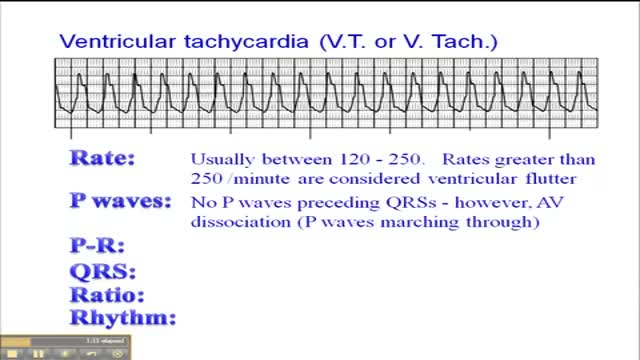
Ventricular tachycardia is a type of heart rhythm disorder (arrhythmia) in which the lower chambers of your heart (ventricles) beat very quickly because of a problem in your heart's electrical system. In ventricular tachycardia, your heart may not be able to pump enough blood to your body and lungs because the chambers are beating so fast that they don't have time to properly fill. Ventricular tachycardia may be brief — lasting for just seconds and often not causing symptoms — or it can last for much longer, and you can develop symptoms such as dizziness or lightheadedness, or you can even pass out. This condition usually occurs in people with other heart conditions, such as coronary artery disease, cardiomyopathy and some types of valvular heart disease. Ventricular tachycardia may lead to a condition in which your lower heart chambers quiver (ventricular fibrillation), which may cause your heart to stop (sudden cardiac arrest) and lead to death if not treated immediately. Ventricular tachycardia can also cause your heart to stop, especially if the heart is beating very quickly, if it's lasting for a long period, and if you have an underlying heart condition.
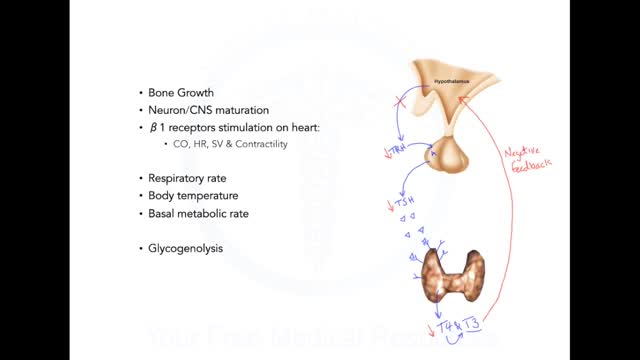
Graves disease is an autoimmune disorder that leads to an overactive thyroid gland (hyperthyroidism). An autoimmune disorder is a condition that occurs when the immune system mistakenly attacks healthy tissue. Causes The thyroid gland is an important organ of the endocrine system. The gland is located at the front of the neck above where the collarbones meet. This gland releases the hormones thyroxine (T4) and triiodothyronine (T3), which control body metabolism. Controlling metabolism is important for regulating mood, weight, and mental and physical energy levels. When the body makes too much thyroid hormone, the condition is called hyperthyroidism. (An underactive thyroid leads to hypothyroidism.) Graves disease is the most common cause of hyperthyroidism. It is due to an abnormal immune system response that causes the thyroid gland to produce too much thyroid hormone. Graves disease is most common in women over age 20. But the disorder can occur at any age and can affect men as well. Symptoms Younger people may have these symptoms: Anxiety or nervousness, as well as problems sleeping Breast enlargement in men (possible) Problems concentrating Fatigue Frequent bowel movements Hair loss Heat intolerance and increased sweating Increased appetite, despite having weight loss Irregular menstrual periods in women Muscle weakness of the hips and shoulders Moodiness, including irritability and anger Rapid or irregular heartbeat Shortness of breath with activity Tremor Many people with Graves disease have problems with their eyes: The eyeballs may seem to be bulging out and may be painful. Eyes can feel irritated and be tearing. Double vision may be present. Older people may have these symptoms: Rapid or irregular heartbeat Chest pain Memory loss Weakness and fatigue
