
- Physical Examination
- Surgical Examination
- Ophthalmology
- Clinical Skills
- Orthopedics
- Surgery Videos
- Laparoscopy
- Pediatrics
- Funny Videos
- Cardiothoracic Surgery
- Nursing Videos
- Plastic Surgery
- Otorhinolaryngology
- Histology and Histopathology
- Neurosurgery
- Dermatology
- Pediatric Surgery
- Urology
- Dentistry
- Oncology and Cancers
- Anatomy Videos
- Health and Fitness
- Radiology
- Anaesthesia
- Physical Therapy
- Pharmacology
- Interventional Radiology
- Cardiology
- Endocrinology
- Gynecology
- Emergency Medicine
- Psychiatry and Psychology
- Childbirth Videos
- General Medical Videos
- Nephrology
- Physiology
- Diet and Food Health
- Diabetes Mellitus
- Neurology
- Women Health
- Osteoporosis
- Gastroenterology
- Pulmonology
- Hematology
- Rheumatology
- Toxicology
- Nuclear Medicine
- Infectious Diseases
- Vascular Disease
- Reproductive Health
- Burns and Wound Healing
- Other
Top videos


http://tipps-gegen-cellulite.good-info.co --- Hausmittel Gegen Cellulite, Was Tun Gegen Cellulite Am Po Und Oberschenkel, Cellulite Po. Kann Man Cellulite Beseitigen? Aus offensichtlichen Gründen wollen alle Frauen Cellulite reduzieren. Neben dem unschönen Aussehen verschlechtert Cellulite deutlich die Sicherheit und das Selbstwertgefühl von Frauen. Fast alle Frauen leiden, gelitten haben oder werden die "Orangenhaut" an irgendeinem Punkt in ihrem Leben leiden. Die Suche nach einer Lösung für dieses Problem ist immer in den Köpfen der Frauen gewesen. Um diese Suche zu erfüllen wurden verschiedene Produkte und Cremen entwickelt. Leider sind alle diese Produkte eine Lüge, weil sie nicht wirklich Cellulite reduzieren, sie sind abe reine vorübergehende Lösung, die unsere Haut entzündet und die Cellulite für eine bestimmte Zeit versteckt. Diese partielle Lösungen machen uns Sklaven dieser Produkte, die uns dazu zwingen, um sie lebenslang zu konsumieren. Abgesehen von das, was die Websites oder Informationen Quellen sagen, ist Cellulite nicht eine andere Art von Fett und es ist auch nicht durch eine schlechte Durchblutung oder Flüssigkeitsretention verursacht. Cellulite ist nicht anders als gewöhnliche Fett, das aus dem Gewebe herausragt, und das ist der Grund, warum es diesen Aussehen von "Brunnen" haben. Wenn alle Produkte nicht funktionieren? Wie beseitige ich meine Cellulite? Nun, um Ihre Cellulite zu reduzieren, ist es sehr wichtig die ursächlichen Faktoren zu behandeln. Wie oben erwähnt, ist die Hauptursache hormonellen Ungleichgewichten, die die Kollagenfasern der Haut abbauen und die Fettspeicherung im Körper erhöhen. Um die Situation zu kontrollieren, müssen Sie einige Änderungen in Ihrem täglichen Leben und täglichen Ernährung machen. Es ist ganz einfach: wenn Sie eine richtige Ernährung führen und Sie kombiniert es mit der richtige Art von Übungen, wird Ihre Cellulite verschwinden. Sie sollen langsame kardiovaskulären Übungen in Zusammenhang mit Widerstand Übungen machen. Wenn Sie diese Aktivitäten in Ihrem täglichen Leben zusammen mit einer gesunden Ernährung kombiniert können, dann können Sie Ihr hormonelle Veränderungen unter Kontrolle haben. Klicken Sie hier, um mehr zu erfahren http://tipps-gegen-cellulite.good-info.co
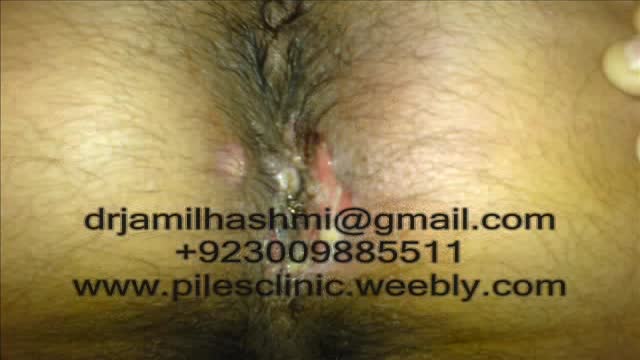
Treatment for Piles,Fistula,hemorrhoids, Hydrocele Without Operation or surgery in pakistan Dr Jamil Ahmad Hashmi ( haripur hazar pakistan )... +923009885511 --- drjamil79@gmail.com
Treatment for Piles,Fistula,Hydrocele Without Operation piles treatment with 60 days Quickly! pain free treatment full life Piles Medicine dr jamil ahmad hashmi ( haripur hazar pakistan ) drjamil79@yahoo.com +923009885511 piles treatment with 60 days Quickly! pain free treatment full life Piles Medicine dr jamil ahmad hashmi...
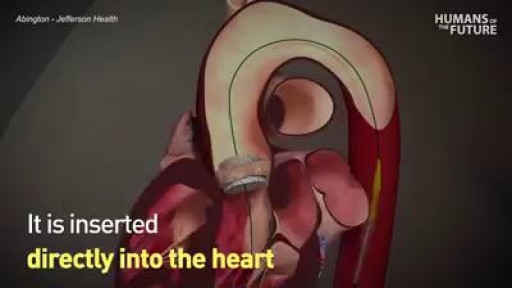
Could this be a viable alternative to open heart surgery?
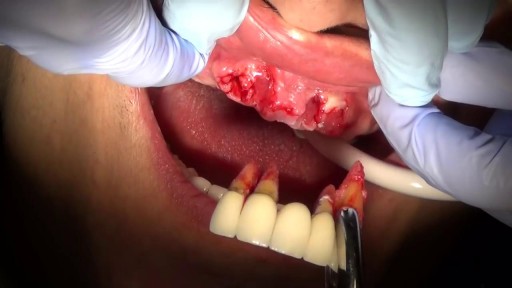
Removal of multiple teeth due to advanced periodontal disease.
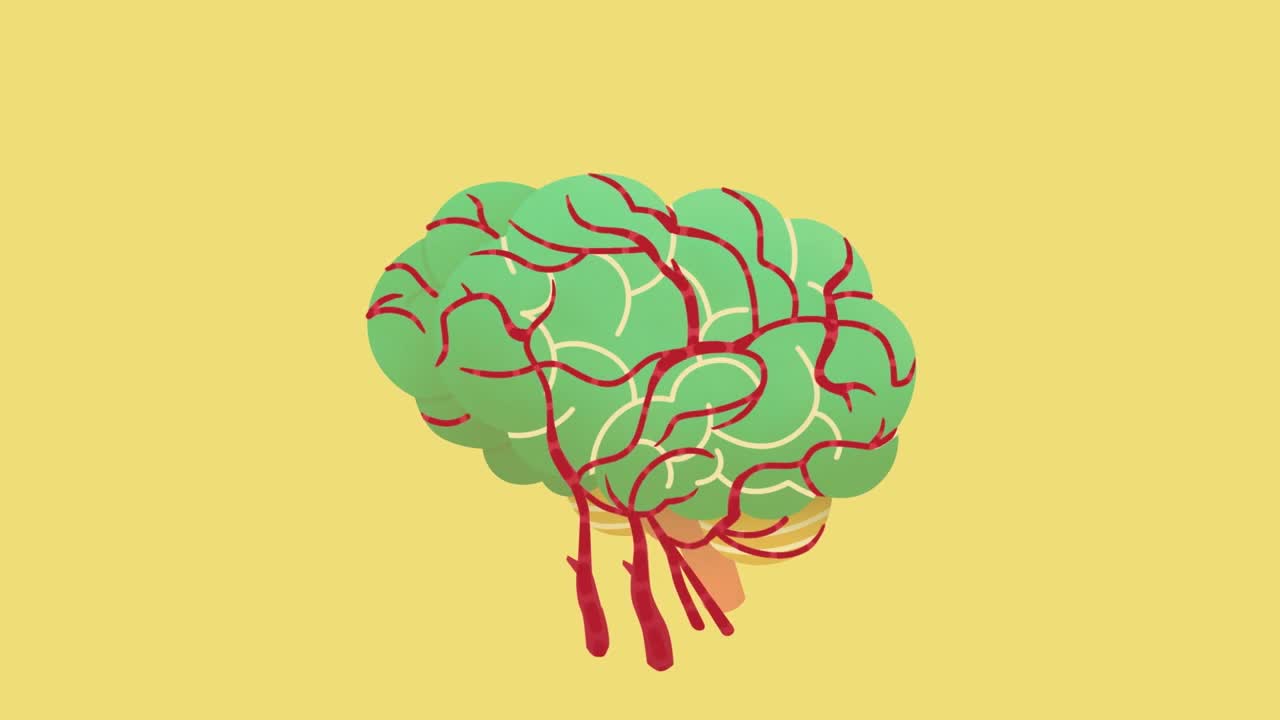
Vascular dementia is a general term describing problems with reasoning, planning, judgment, memory and other thought processes caused by brain damage from impaired blood flow to your brain. You can develop vascular dementia after a stroke blocks an artery in your brain, but strokes don't always cause vascular dementia. Whether a stroke affects your thinking and reasoning depends on your stroke's severity and location. Vascular dementia also can result from other conditions that damage blood vessels and reduce circulation, depriving your brain of vital oxygen and nutrients

Natural Ways To Stop Hair Loss, Hair Regrowth Home Remedies, Best Medicine For Hair Regrowth---- http://how-to-regrow-your-hair.info-pro.co/ --- What Is The Best Male Hair Loss Treatment? Well there are actually many that can be given. The reason for this is simple – male hair loss is not caused by a singular problem alone. Hair loss can be caused by genetics, stress, aging, and others and thus the treatment will be different for each one. If you are talking about hair loss related to genetics however then there are a few products or procedures that you might want to take note of. Pattern hair loss or Male pattern hair loss is called Androgenic Alopecia. It’s basically the result of hormones called androgens which is caused by genetic predisposition. To put it simply, the reason you are losing your hair is because you are genetically predisposed to. The general rule of thumb is that hair can still be thickened anywhere that it’s still growing and a hair loss treatment regimen is one of the most effective solutions you have at hand. An area that is already slick and hairless will most likely not impossible to restore, and hair transplants or a hair system is your best bet for this. Since many combinations of thinning and slick are often present in men, a treatment regimen is most often the best or sometimes the only solution available. Transplants and hair systems or toupees should only be considered if you have already undergone a treatment regiment for two solid years without achieving any satisfactory results. No matter the type or situation you are dealing with, a scientifically backed hair loss treatment regimen is necessary. Learn the science behind HOW you can Re-Grow your hair and discover the logical solution to eliminate your balding....effectively, naturally and permanently http://how-to-regrow-your-hair.info-pro.co/

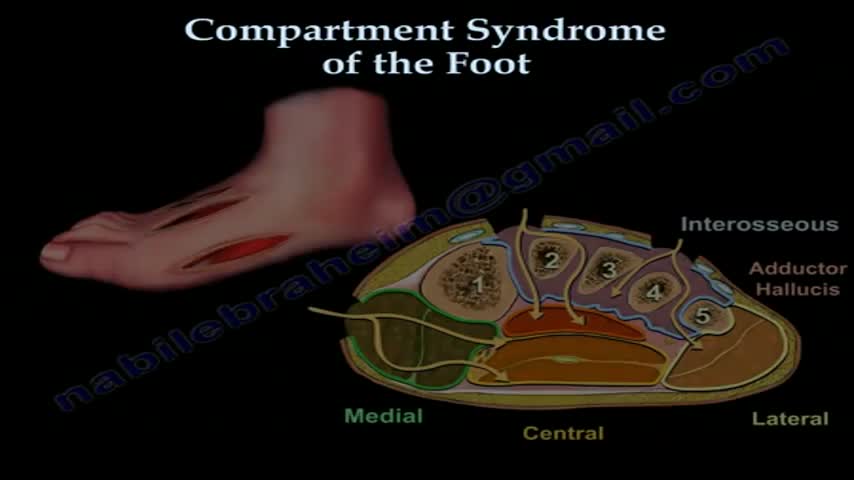
Compartment syndrome can develop in the foot following crush injury or closed fracture. Following some critical threshold of bleeding and/or swelling into the fixed space compartments, arterial pulse pressure is insufficient to overcome the osmotic tissue pressure gradient, leading to cell death. The complicating factor is related to the magnitude of the force of the crush injury. The amount of swelling or bleeding has to be sufficient to impair arterial inflow, while not being of sufficient magnitude to produce an open injury, which decompresses the pressure within the affected compartments. When the injury is open, we then attribute the late disability primarily to the crushing injury to the involved muscles.

Thoracic outlet syndrome is a group of disorders that occur when blood vessels or nerves in the space between your collarbone and your first rib (thoracic outlet) are compressed. This can cause pain in your shoulders and neck and numbness in your fingers. Common causes of thoracic outlet syndrome include physical trauma from a car accident, repetitive injuries from job- or sports-related activities, certain anatomical defects (such as having an extra rib), and pregnancy. Sometimes doctors can't determine the cause of thoracic outlet syndrome. Treatment for thoracic outlet syndrome usually involves physical therapy and pain relief measures. Most people improve with these approaches. In some cases, however, your doctor may recommend surgery.

Cognitive impairment is seen in over half of people with multiple sclerosis. In this video I review factors that can contribute to multiple sclerosis brain fog, ways to assess cognition, and tips to improve thinking and memory.
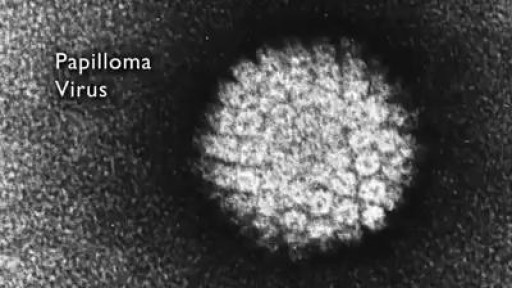
A short story about Warts, Are they contagious?

How to Collect Blood Cultures

Soon enough, a robot will be doing surgeries on you!
Menorrhagia is the medical term for menstrual periods with abnormally heavy or prolonged bleeding. Although heavy menstrual bleeding is a common concern among premenopausal women, most women don't experience blood loss severe enough to be defined as menorrhagia. With menorrhagia, every period you have causes enough blood loss and cramping that you can't maintain your usual activities. If you have menstrual bleeding so heavy that you dread your period, talk with your doctor. There are many effective treatments for menorrhagia.
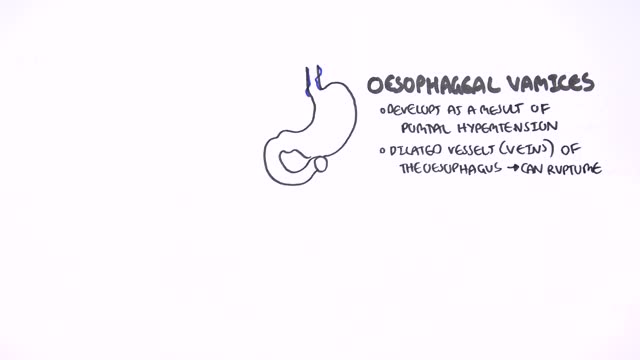
This could be caused by an infection, food poisoning, parasites, Crohn's disease, or reduced blood flow in the colon. Hemorrhoids are another common cause of GI or rectal bleeding. A hemorrhoid is an enlarged vein in your rectum or anus. These enlarged veins can rupture and bleed, causing rectal bleeding.
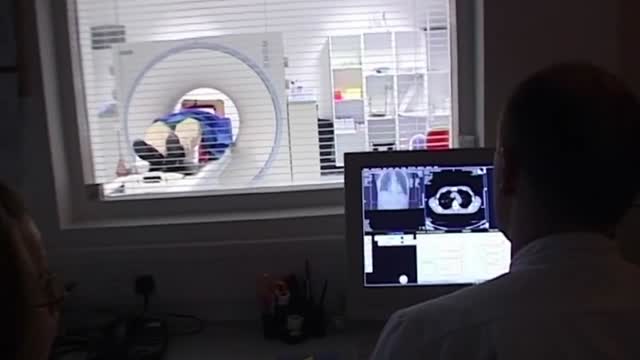
Radiation therapy or radiotherapy, often abbreviated RT, RTx, or XRT, is therapy using ionizing radiation, generally as part of cancer treatment to control or kill malignant cells. Radiation therapy may be curative in a number of types of cancer if they are localized to one area of the body.
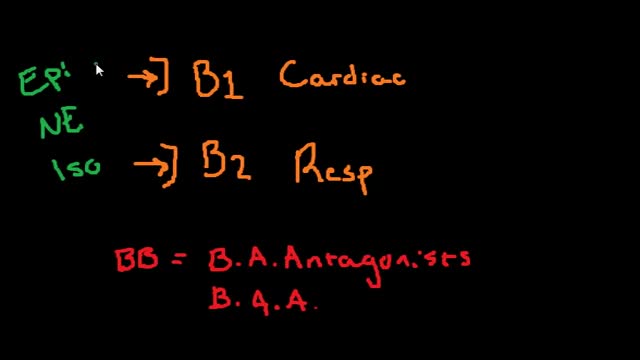
Beta blockers, also known as beta-adrenergic blocking agents, are medications that reduce your blood pressure. Beta blockers work by blocking the effects of the hormone epinephrine, also known as adrenaline. When you take beta blockers, your heart beats more slowly and with less force, thereby reducing blood pressure. Beta blockers also help blood vessels open up to improve blood flow. Examples of beta blockers Some beta blockers mainly affect your heart, while others affect both your heart and your blood vessels. Which one is best for you depends on your health and the condition being treated. Examples of oral beta blockers include: Acebutolol (Sectral) Atenolol (Tenormin) Bisoprolol (Zebeta) Metoprolol (Lopressor, Toprol-XL) Nadolol (Corgard) Nebivolol (Bystolic) Propranolol (Inderal LA, InnoPran XL)

What is myositis? Myositis means muscle inflammation, and can be caused by infection, injury, certain medicines, exercise, and chronic disease. Some of the chronic, or persistent, forms are idiopathic inflammatory myopathies, and those are the diseases we discuss here. "Idiopathic" means that the cause is unknown.

Women Heart Attack Symptoms, Healthy Living Tips, Heart Attack Symptoms Arm, Nutritional Tips, Heart.---- http://grow-younger-blood-good-info-co --- Why doctors let your family die One thing that keeps getting missed in that debate is how doctors, are so controlled by insurance companies, that they hold back from running life-saving blood tests. If you ever get a chance to ask a doctor, how he feels about HMO's, you'll get a glimpse into the sinister reality, of how corrupt and flat-out homicidal our healthcare system really is. This is why it's so important, to watch the new John video to get the REAL scoop on your health. It turns out that there are some life saving (or at least life-lengthening), tests you NEED to take but that doctors are not allowed to tell you about. And if you are under a big corporate health plan, you're even more likely to have been. cruelly lied to by the health industry. Watch this video. It's time to take your life and your family's health into your own hands. Once you have this information, no one not even the President himself can stop you Click Here. http://grow-younger-blood-good-info-co
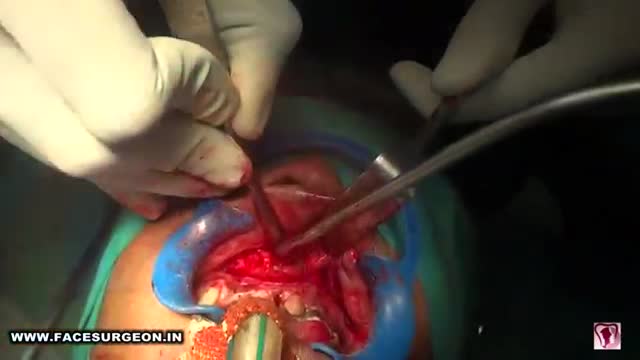
Anterior maxillary distraction for cleft retruded maxilla
