
- Physical Examination
- Surgical Examination
- Ophthalmology
- Clinical Skills
- Orthopedics
- Surgery Videos
- Laparoscopy
- Pediatrics
- Funny Videos
- Cardiothoracic Surgery
- Nursing Videos
- Plastic Surgery
- Otorhinolaryngology
- Histology and Histopathology
- Neurosurgery
- Dermatology
- Pediatric Surgery
- Urology
- Dentistry
- Oncology and Cancers
- Anatomy Videos
- Health and Fitness
- Radiology
- Anaesthesia
- Physical Therapy
- Pharmacology
- Interventional Radiology
- Cardiology
- Endocrinology
- Gynecology
- Emergency Medicine
- Psychiatry and Psychology
- Childbirth Videos
- General Medical Videos
- Nephrology
- Physiology
- Diet and Food Health
- Diabetes Mellitus
- Neurology
- Women Health
- Osteoporosis
- Gastroenterology
- Pulmonology
- Hematology
- Rheumatology
- Toxicology
- Nuclear Medicine
- Infectious Diseases
- Vascular Disease
- Reproductive Health
- Burns and Wound Healing
- Other
Top videos
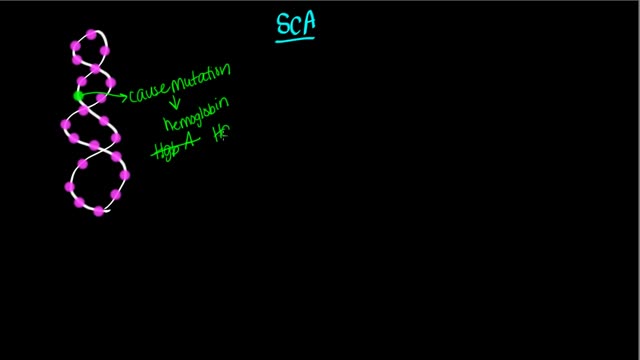

Sickle cell anemia is an inherited form of anemia — a condition in which there aren't enough healthy red blood cells to carry adequate oxygen throughout your body. Normally, your red blood cells are flexible and round, moving easily through your blood vessels. In sickle cell anemia, the red blood cells become rigid and sticky and are shaped like sickles or crescent moons. These irregularly shaped cells can get stuck in small blood vessels, which can slow or block blood flow and oxygen to parts of the body. There's no cure for most people with sickle cell anemia. However, treatments can relieve pain and help prevent further problems associated with sickle cell anemia.

At Home Weight Loss Body Wrap, Slimming Body Wraps, Inch Loss Body Wrap, It Works Body Wraps ---- http://do-body-wraps-work.plus101.com --- People are constantly one the hunt for something that will change their lives and help them lose weight. There are plenty of different options to choose from and the number of diets continues to rise. However, there is a new technique that has been gaining a lot of popularity simply because it works. If you want to really look and feel better, then you just might have to try a body wrap at home. What Can You Expect From A Body Wrap At Home? Since body wrapping is a proven therapeutic treatment, it will help detoxify your body without having to use chemicals. The nice thing about a body wrap is that it is all natural ingredients and it is by far one of the simplest ways to lose weight. You can expect to lose inches and it is a very useful addition to your current weight loss program. Why Does The Body Wrap Work? The main reason why the body wrap works so well is because you are placing all of these natural ingredients on your skin. Your skin is like your second lung because it absorbs virtually anything that you place on it. If you try the body wrap, you will instantly feel and see that this actually works. Are There Any Testimonials Saying It Works? There are plenty of testimonials saying that a body wrap at home really does help them lose inches. Though there are a few skeptics out there, the majority of people who have tried the wraps have seen results. If you are currently struggling with a crazy diet or spending half of your time in a gym, then it is time to think outside of the box and to put yourself in a wrap to finally see what your body is capable of looking like in a short period of time. Stop procrastinating! Click Here for instant access to my recipes & start losing inches, detoxifying your body, and improving your skin right away! http://do-body-wraps-work.plus101.com
Giant cell arteritis is an inflammation of the lining of arteries. Most often, it affects the arteries in your head, especially those in your temples. For this reason, giant cell arteritis is sometimes called temporal arteritis. Giant cell arteritis frequently causes headaches, scalp tenderness, jaw pain and vision problems. If left untreated, it can lead to stroke or blindness. Prompt treatment with corticosteroid medications usually relieves symptoms of giant cell arteritis and may prevent loss of vision. You'll likely begin to feel better within days of starting treatment. But even with treatment, relapses are common. You'll need to visit your doctor regularly for checkups and treatment of any side effects from taking corticosteroids.

Fungos Na Pele, Remedio Para Fungos De Pele, Doença Causadas Por Fungos, Remedio Fungos Na Pele. http://candidiase-cura.plus101.com/ --- Educar-se sobre sua infecção por candida é o primeiro e mais importante passo para curar essa condição crônica dolorosa, irritante e relativamente perigosa e assumir a responsabilidade sobre sua saúde e bem-estar. Embora a infecção por levedura (conhecida pelos nomes de Candida, Monilia ou Thrush) seja de fato uma condição muito comum, (como três em cada quatro mulheres o desenvolvem em algum momento da vida), é pouco discutido. A maioria das pessoas considera a infecção por candida como um problema "na superfície" que deve ser tratado com cremes e antibióticos, enquanto poucos estão conscientes de suas complicações potencialmente arriscadas. A infecção por fermento é antes de mais um problema interno. Como a maioria das condições crônicas, nunca há uma causa para esse problema fúngico e, portanto, a infecção por fungos não pode ser eliminada permanentemente usando medicamentos ou cremes que funcionam superficialmente e não conseguem abordar os fatores raiz que desencadeiam a formação da infecção por candida em primeiro lugar. O problema é que a maioria dos pacientes com infecção por fermento optam por deixá-lo nas mãos de outros: médicos, farmacêuticos, drogas e indústrias de balcão. Eles preferem escolher NÃO para assumir a responsabilidade pela condição de candida, pela saúde e pelo seu próprio corpo. Se você sofre de infecção por fungos, então você deve ter experimentado a confusão decorrente de conselhos conflitantes e de sobrecarga de informações. Informações honesta sobre infecção vaginal por fermento ou qualquer outro tipo de infecção por candida é mais difícil de encontrar do que nunca, e quase todos foram enganados em um momento ou outro. Eu sei que tenho. Eu desperdicei literalmente milhares de dólares em programas de tratamento com candida que não "funcionaram" e produtos de infecção anti-fermento que não fizeram nada. Conhecimento é poder. Abrace-o. Compartilhe e aplique e você estará induzido por fermento. O Único sistema holístico existente que vai lhe ensinar como curar Permanentemente sua Infecção fúngica, reequilibrar o seu corpo e conseguir a liberdade DURADOURA da Infecção do tipo candidíase! http://candidiase-cura.plus101.com/
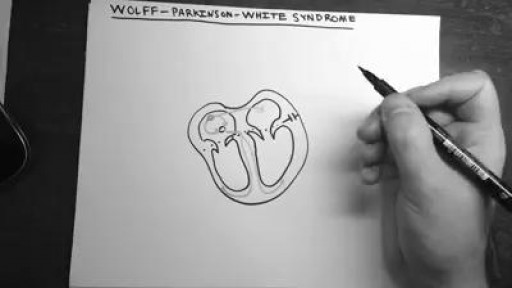
Wolff-Parkinson-White (WPW) syndrome, an extra electrical pathway between your heart's upper and lower chambers causes a rapid heartbeat. The extra pathway is present at birth and fairly rare. The episodes of fast heartbeats usually aren't life-threatening, but serious heart problems can occur. Treatment can stop or prevent episodes of fast heartbeats. A catheter-based procedure (ablation) can permanently correct the heart rhythm problems. Most people with an extra electrical pathway experience no fast heartbeat. This condition, called Wolff-Parkinson-White pattern, is discovered only by chance during a heart exam. Although WPW pattern is often harmless, doctors might recommend further evaluation before children with WPW pattern participate in high-intensity sports.
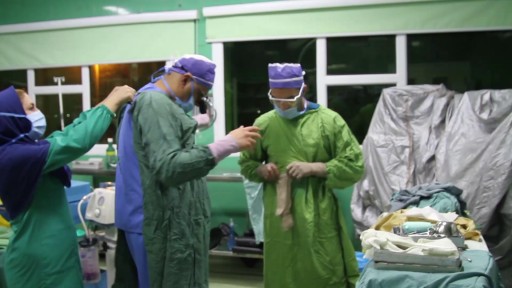
Arm Replantation of a Child By Dr. Omid Liaghat : https:drliaghatclinic.com

The long-standing answer has been that sneezing is a reflex. When irritants — such as germs, dust, pollen, animal dander, or pollutants, just to name just a few — infiltrate the nose lining, the brain sends out a signal to get rid of it. That triggers a deep breath, which gets held in the lungs.
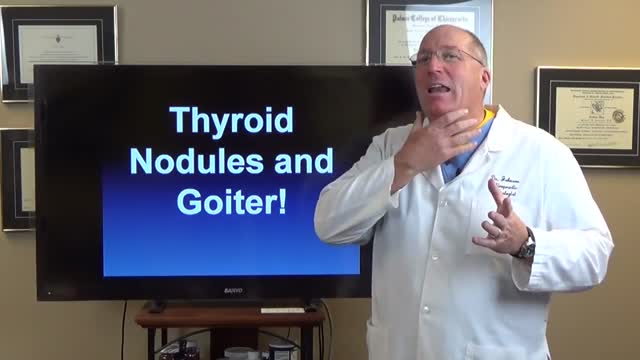
Thyroid nodules are solid or fluid-filled lumps that form within your thyroid, a small gland located at the base of your neck, just above your breastbone. The great majority of thyroid nodules aren't serious and don't cause symptoms. Thyroid cancer accounts for only a small percentage of thyroid nodules. You often won't know you have a thyroid nodule until your doctor discovers it during a routine medical exam. Some thyroid nodules, however, may become large enough to be visible or make it difficult to swallow or breathe.

The cause of HELLP syndrome is unknown, but there are certain factors that may increase your risk of developing it. Preeclampsia is the greatest risk factor. This condition is marked by high blood pressure and swelling, and it typically occurs during the last trimester of pregnancy.
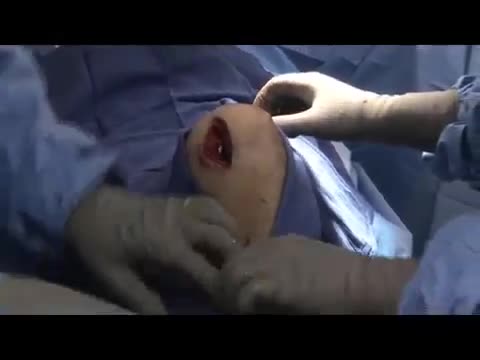
The MAKOplasty® procedure is an FDA-cleared treatment option for patients who suffer from osteoarthritis damage in the medial (inner) portion of the knee. ... Only the diseased portion of your knee is removed, leaving the healthy bone and tissue surrounding it untouched.
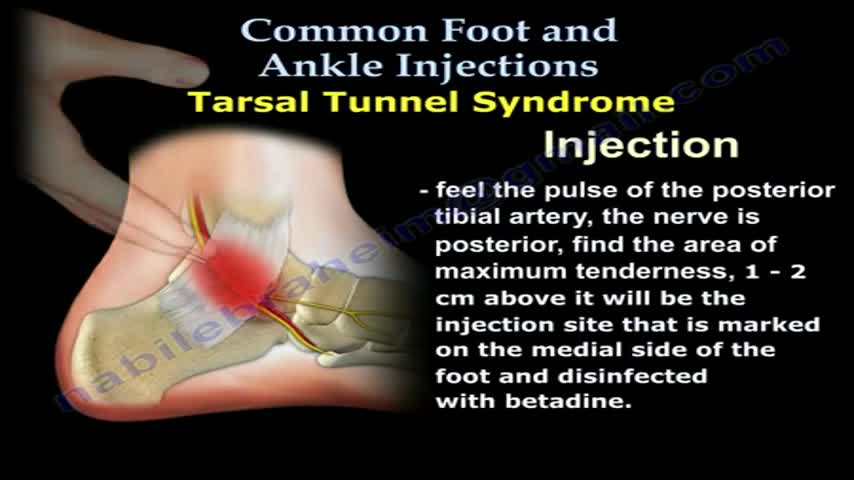
Educational video describing injection techniques for painful conditions of the foot and ankle.

http://hidradenitis-suppurativa-cure.good-info.co/ Hidradenitis Suppurativa Cure, How To Treat Hidradenitis Suppurativa, Axillary Hidradenitis Suppurat Free From Hidradenitis Suppurativa Today If you are frustrated and embarrassed by constant Hidradenitis Suppurativa, no matter what you've tried, and if you’re fed up with Drugs, Creams, And Herbs, then you need to see this. You are about to discover the most effective 100% natural and safe solution that has been proven to make you live a free life. This is not like anything you've seen before. This is the same effective formula that helped me end my Hidradenitis Suppurativa in just few days. Too many health products have existed – and still do – and although many sound sweet, they end up wasting your precious time. And the result? About 95% of people who tried to put an end to their Hidradenitis Suppurativa crashed and burned big time! They either experience dangerous side effects, or they don’t actually achieve their desired results. But because you are ready to take action now and try this method, you’re on your way to saying goodbye to Hidradenitis Suppurativa which has only made your life nothing but miserable! reserve the right to take away this incredible secret at any moment. So you need to act fast now if you don’t want to be left out. click here. http://hidradenitis-suppurativa-cure.good-info.co/

9 Months In The Womb: A Remarkable Look At Fetal Development Through Ultrasound
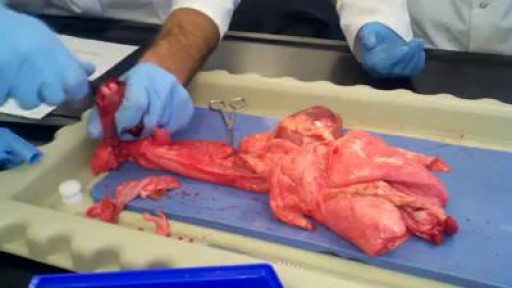
Amazing Lung Inflation

In dark or dim light, the pupil dilates to allow more light into the eye to improve vision. Normal pupil size tends to range between 2.0 and 5.0 millimeters, depending on the lighting. The younger you are, the larger your pupils tend to be.
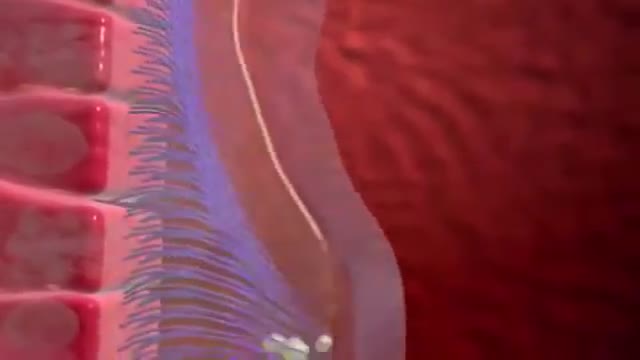
Cystic fibrosis (CF) is a multisystem disease affecting the digestive system, sweat glands, upper and lower respiratory tracts, and the reproductive tract, but progressive lung disease continues to be the major cause of morbidity and mortality [1]. CF is characterized by abnormal transport of chloride and sodium across the respiratory epithelium, resulting in thickened, viscous airway secretions [2]. Over a highly variable time course ranging from months to decades after birth, individuals eventually develop chronic infection of the respiratory tract with a characteristic array of bacterial flora [3], leading to progressive respiratory insufficiency and eventual respiratory failure. The rate of progression varies widely, depending in part on genotype (including gene modifiers) as well as environmental factors. Registry data from CF Centers in the United States, Canada, and Europe indicate a median survival of about 41 years [4]. Females with CF appear to have higher morbidity and mortality than males [5]. This "gender gap" is modest but consistent across many populations and is hypothesized to be due to the pro-inflammatory effects of estrogens.
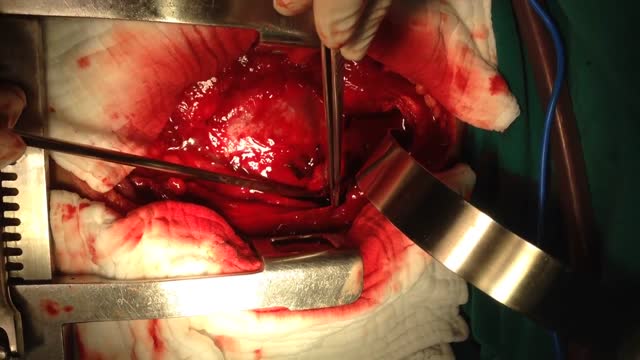
Blunt injury to the heart ranges from contusion to disruption. This report comprises 14 patients seen during a 6-year period with cardiac rupture secondary to blunt trauma. Eight patients were injured in automobile accidents, two patients were injured in auto-pedestrian accidents, two were kicked in the chest by ungulates, and two sustained falls. Cardiac tamponade was suspected in ten patients. Five patients presented with prehospital cardiac arrest or arrested shortly after arrival. All underwent emergency department thoracotomy without survival. Two patients expired in the operating room during attempted cardiac repair; both had significant extracardiac injury. Seven patients survived, three had right atrial injuries, three had right ventricular injuries, and one had a left atrial injury. Cardiopulmonary bypass was not required for repair of the surviving patients. There were no significant complications from the cardiac repair.
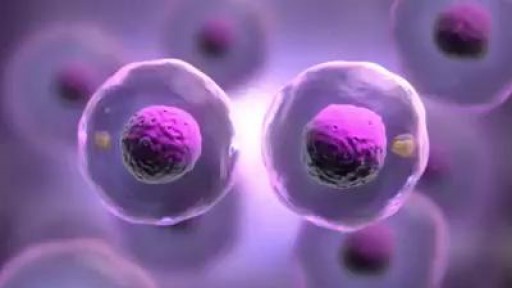
Mitosis, a process of cell duplication, or reproduction, during which one cell gives rise to two genetically identical daughter cells. Strictly applied, the term mitosis is used to describe the duplication and distribution of chromosomes, the structures that carry the genetic information.
UCSF Director of Women's Imaging, San Francisco General Hospital, looks at pros and cons of imagining techniques for younger women. Series: "Breast Cancer Prevention and Treatment"
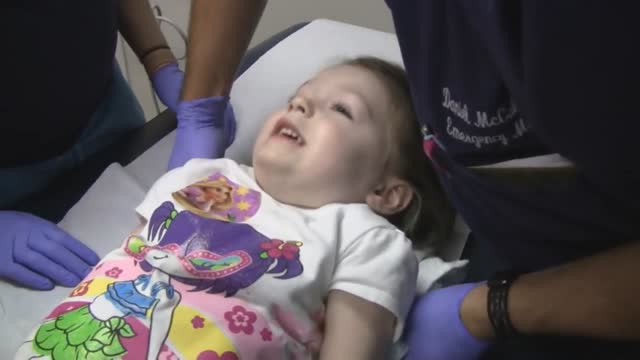
Nasal Foreign Body Removal Techniques
