
- Physical Examination
- Surgical Examination
- Ophthalmology
- Clinical Skills
- Orthopedics
- Surgery Videos
- Laparoscopy
- Pediatrics
- Funny Videos
- Cardiothoracic Surgery
- Nursing Videos
- Plastic Surgery
- Otorhinolaryngology
- Histology and Histopathology
- Neurosurgery
- Dermatology
- Pediatric Surgery
- Urology
- Dentistry
- Oncology and Cancers
- Anatomy Videos
- Health and Fitness
- Radiology
- Anaesthesia
- Physical Therapy
- Pharmacology
- Interventional Radiology
- Cardiology
- Endocrinology
- Gynecology
- Emergency Medicine
- Psychiatry and Psychology
- Childbirth Videos
- General Medical Videos
- Nephrology
- Physiology
- Diet and Food Health
- Diabetes Mellitus
- Neurology
- Women Health
- Osteoporosis
- Gastroenterology
- Pulmonology
- Hematology
- Rheumatology
- Toxicology
- Nuclear Medicine
- Infectious Diseases
- Vascular Disease
- Reproductive Health
- Burns and Wound Healing
- Kidney Zone Podcast
- Other
What Is an Anal Fistula?
What is an anal fistula? How this small tunnel near the anus forms, what to expect at assessment, and how surgery repairs it.
10/30/26 • 43 Views


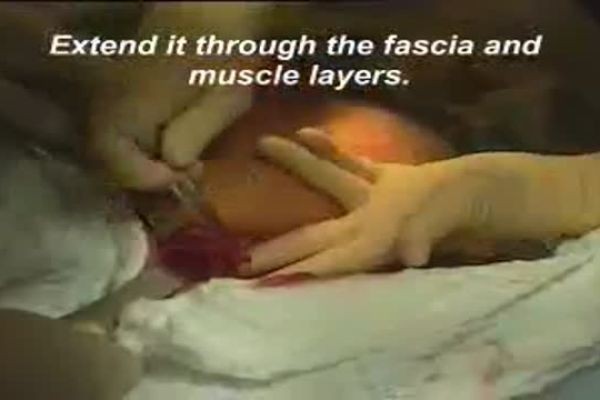
For many people, it starts with something oddly small: a little spot beside the anus that drains, settles down, then drains again weeks later — never quite healing, never quite going away. That stubborn, on-and-off pattern is often the first clue to an anal fistula. If that sounds familiar, this guide walks you through what to expect: what the condition actually is, what an assessment involves, and what treatment usually looks like. The video at the top of this page, "Fistulotomy Surgery Video" (1 minute 49 seconds), shows the operation most often used to repair one; its description defines a fistulotomy as the surgical opening or removal of a fistulous tract, and notes that perianal fistulas are chronic conditions that will not heal without surgical intervention.
First, picture what has formed
An anal fistula is a small tunnel. It runs from inside the anal canal — usually from one of the tiny glands there — out through the skin beside the anus. The second video on this page, "Anal Fistula and Anal Abscess" (3 minutes 21 seconds), puts it in similar terms: while an abscess is an infection in the spaces around the anus, a fistula is a tunneling between the anus or rectum and another surface, such as the overlying skin. Most fistulas are thought to begin that way — a gland becomes infected, an abscess forms, and when the abscess drains, either on its own or after treatment, the tunnel it leaves behind sometimes stays open instead of closing.
That leftover tunnel explains the symptoms. Because it connects the bowel to the skin, it can leak small amounts of fluid, leave the surrounding skin sore and itchy, and flare into a fresh abscess if its outer opening seals over and traps infection inside. It also explains why creams and courses of antibiotics, on their own, rarely finish the job: they can calm a flare, but they do not remove the tunnel itself. Conditions affecting the bowel can sit behind some fistulas too — our guide to Crohn's disease covers one of the better-known examples.
What to expect at the appointment
Expect questions first: when the drainage began, whether you have had an abscess drained before, and whether the area swells and throbs before each episode of draining — that build-up-and-release cycle is a classic fistula story. The examination is usually straightforward. The clinician will look carefully at the skin around the anus for the external opening, which can look like a small raised spot, and will gently feel the area to follow where the tract seems to run. An internal examination helps locate the inner opening and check the anal canal.
Sometimes that is enough to plan treatment. Sometimes it isn't. If the tract's route is unclear, if the fistula branches, or if it has come back after previous surgery, you may be sent for an MRI scan, which maps the tunnel in detail before anyone operates. That mapping matters more than it might sound, because the surgical plan depends entirely on how much of the sphincter muscle — the muscle that keeps you continent — the tunnel passes through.
What to expect from treatment
Here is the honest headline: an anal fistula almost always needs an operation, because the tunnel will not close reliably on its own. For a straightforward fistula that crosses very little sphincter muscle, the usual operation is the one in the anchor video — a fistulotomy, where the tract is opened up along its length so it can heal from the inside out as a shallow wound. The anchor video's description lists the variations surgeons use: excision of the tract and surrounding tissue, simple division of the tract, or gradual division with assisted drainage using a seton — a cord passed through the tract in a loop and slowly tightened over days or weeks.
When a fistula crosses more of the sphincter, the approach is more cautious, and a loose seton is sometimes left in place first to keep the tract draining while a sphincter-sparing plan is made. Your surgeon will explain which situation you are in and why — that conversation, about protecting continence while removing the fistula, is the real centre of the treatment decision. It helps to keep fistulas distinct from look-alike problems around the bottom: hemorrhoids are swollen veins rather than tunnels, and a pilonidal cyst sits higher, in the cleft between the buttocks — related neighbourhood, different conditions, different operations.
What recovery tends to feel like
After a fistulotomy, the wound is typically left open to heal gradually, so some drainage in the first weeks is expected rather than alarming, and dressings and warm baths are part of the routine most surgeons recommend. Soreness is usually most noticeable after bowel movements early on. What should bring you back promptly is a fever, spreading redness, swelling that is building rather than settling, or pain that is getting worse after initially improving — those can signal a fresh abscess forming. And if drainage restarts months later in the same spot, mention it: a returning fistula is worth reassessing rather than simply enduring.
Frequently Asked Questions
What's the difference between an anal abscess and an anal fistula?
An abscess is a pocket of infection in the spaces around the anus — painful, swollen, and usually needing drainage. A fistula is the small tunnel that can be left behind afterwards, connecting the anal canal to the skin. An abscess is the acute event; a fistula is the longer-term passage that keeps draining or keeps causing repeat abscesses.
Can an anal fistula heal on its own?
Reliably, no. The anchor video's own description describes perianal fistulas as chronic conditions that will not heal without surgical intervention. Antibiotics and warm baths can settle a flare-up, but they do not close the tunnel, which is why surgery is the standard treatment.
What is a seton?
A seton is a cord or thread passed through the fistula tract and left in a loop. A loose seton keeps the tract open and draining so infection cannot build up, while a slowly tightened seton gradually divides the tract over days or weeks, as described in the anchor video. It is often used when the fistula passes through more sphincter muscle and a cautious, staged approach is safer.
Will fistula surgery affect continence?
That is exactly the question the surgical plan is built around. The sphincter muscles control continence, so surgeons first map how much muscle the tunnel crosses: a simple fistulotomy suits tracts involving very little muscle, while higher or more complex fistulas call for sphincter-sparing techniques. Your surgeon should explain your own anatomy and the reasoning before you consent.
MedicalVideos.com has published trusted medical videos since 2007. The site was founded by Dr. Mohamed Ibrahim, MD, PhD — physician-scientist.
Educational only — this article is general information about anal fistula, not medical advice and not a diagnosis. A painful, swollen area near the anus, fever, or drainage that keeps returning should be assessed promptly by a clinician, who can examine you directly.
Related Articles




Medical Videos
Free medical and surgery videos for patients, students and professionals — trusted since 2007.
Founded by Dr. Mohamed Ibrahim, MD, PhD — physician-scientist.
Follow us on Facebook · Instagram