
- Physical Examination
- Surgical Examination
- Ophthalmology
- Clinical Skills
- Orthopedics
- Surgery Videos
- Laparoscopy
- Pediatrics
- Funny Videos
- Cardiothoracic Surgery
- Nursing Videos
- Plastic Surgery
- Otorhinolaryngology
- Histology and Histopathology
- Neurosurgery
- Dermatology
- Pediatric Surgery
- Urology
- Dentistry
- Oncology and Cancers
- Anatomy Videos
- Health and Fitness
- Radiology
- Anaesthesia
- Physical Therapy
- Pharmacology
- Interventional Radiology
- Cardiology
- Endocrinology
- Gynecology
- Emergency Medicine
- Psychiatry and Psychology
- Childbirth Videos
- General Medical Videos
- Nephrology
- Physiology
- Diet and Food Health
- Diabetes Mellitus
- Neurology
- Women Health
- Osteoporosis
- Gastroenterology
- Pulmonology
- Hematology
- Rheumatology
- Toxicology
- Nuclear Medicine
- Infectious Diseases
- Vascular Disease
- Reproductive Health
- Burns and Wound Healing
- Kidney Zone Podcast
- Other
ICD-10 Top Codes, Explained in Plain Language
Every diagnosis recorded in United States healthcare is translated into an ICD-10-CM code — a short alphanumeric label from a standard classification maintained for the US by the National Center for Health Statistics and the Centers for Medicare & Medicaid Services. The full FY2027 code set contains 74,879 billable codes, far more than anyone needs to browse. This guide explains the 814 codes that patients, students and clinicians meet most often: what each code stands for, what it means in plain words, and when it is used. Browse by chapter below, or search by code, condition name or everyday term — try 'E11.9', 'kidney failure' or 'migraine'.
Start with these well-known codes
- I10 — Essential (primary) hypertension
- E11.9 — Type 2 diabetes mellitus without complications
- E78.5 — Hyperlipidemia, unspecified
- J44.9 — Chronic obstructive pulmonary disease, unspecified
- Z00.00 — Encounter for general adult medical examination without abnormal findings
- U07.1 — COVID-19
- J06.9 — Acute upper respiratory infection, unspecified
- K21.9 — Gastro-esophageal reflux disease without esophagitis
- N18.9 — Chronic kidney disease, unspecified
- G43.909 — Migraine, unspecified, not intractable, without status migrainosus
- R51.9 — Headache, unspecified
- Z23 — Encounter for immunization
Browse by chapter
ICD-10-CM organises every diagnosis into 22 chapters by body system or type of condition. This guide covers 814 common codes across all 22 chapters.
 Chapter 1: Infectious & Parasitic Diseases
 Chapter 2: Neoplasms
 Chapter 3: Blood & Immune Disorders
 Chapter 4: Endocrine, Nutritional & Metabolic
 Chapter 5: Mental, Behavioral & Neurodevelopmental
 Chapter 6: Nervous System
 Chapter 7: Eye & Adnexa
 Chapter 8: Ear & Mastoid Process
 Chapter 9: Circulatory System
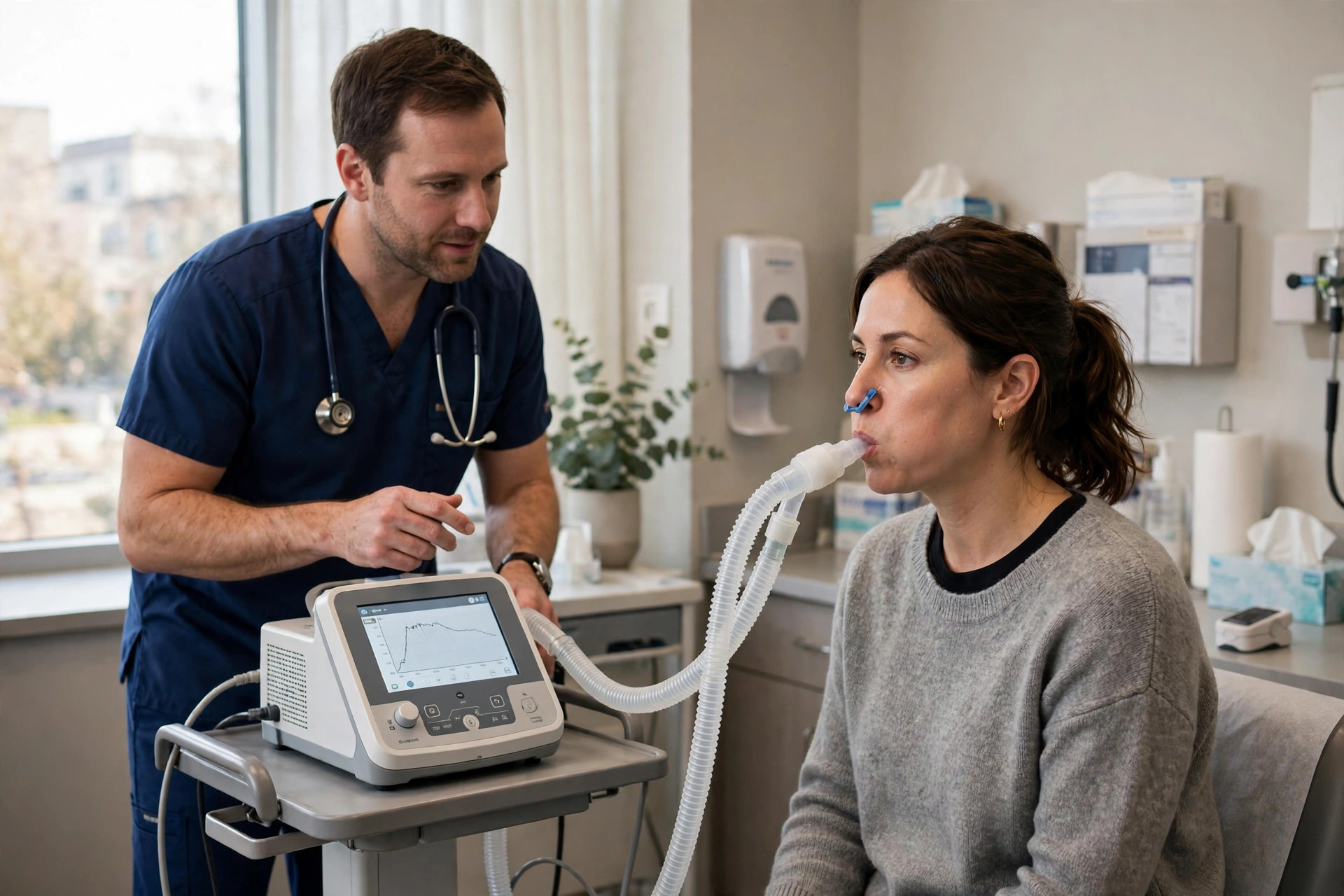 Chapter 10: Respiratory System
 Chapter 11: Digestive System
 Chapter 12: Skin & Subcutaneous Tissue
 Chapter 13: Musculoskeletal & Connective Tissue
 Chapter 14: Genitourinary System
 Chapter 15: Pregnancy, Childbirth & Puerperium
 Chapter 16: Perinatal Period
 Chapter 17: Congenital & Genetic Disorders
 Chapter 18: Symptoms, Signs & Abnormal Findings
 Chapter 19: Injury & Poisoning
 Chapter 20: External Causes of Morbidity
 Chapter 21: Factors Influencing Health Status
 Chapter 22: Codes for Special Purposes
About these codes
Every code and official description in this guide is copied verbatim from the ICD-10-CM FY2027 code file published by the CDC National Center for Health Statistics (the code set in effect for services from 1 October 2026 to 30 September 2027). The plain-English explanations, common names and 'when this code is used' notes are written by the MedicalVideos team and reviewed by Dr. Mohamed Ibrahim. ICD-10-CM is updated every year; codes that are retired or split into more specific codes are not listed.
Frequently asked questions
What is ICD-10-CM?
ICD-10-CM is the United States clinical modification of the World Health Organization's ICD-10 classification of diseases and health problems. It is the standard code set for recording diagnoses in US healthcare, maintained by the National Center for Health Statistics together with the Centers for Medicare & Medicaid Services, and updated every year. This guide uses the FY2027 release.
Which codes does this guide cover?
The full FY2027 set contains 74,879 billable codes. This guide covers 814 of the most commonly encountered codes across all 22 chapters, each with its official description copied verbatim from the federal code file, a plain-English explanation, common names people search for, and a note on when the code is used.
Can I use this guide to code or bill for a patient?
No. These pages explain what codes mean, in plain language; they are not coding or billing advice, and they do not replace the official coding guidelines or the full clinical record. Code assignment for a real encounter belongs to the treating team and qualified coders working from the complete documentation.
This guide explains ICD-10-CM codes in plain language for patients, students and other readers. It is educational information only — not coding, billing or medical advice. The code recorded for any real encounter is assigned from the full clinical documentation by the treating team and qualified coders, and only they can decide which code fits a specific case.