
- Physical Examination
- Surgical Examination
- Ophthalmology
- Clinical Skills
- Orthopedics
- Surgery Videos
- Laparoscopy
- Pediatrics
- Funny Videos
- Cardiothoracic Surgery
- Nursing Videos
- Plastic Surgery
- Otorhinolaryngology
- Histology and Histopathology
- Neurosurgery
- Dermatology
- Pediatric Surgery
- Urology
- Dentistry
- Oncology and Cancers
- Anatomy Videos
- Health and Fitness
- Radiology
- Anaesthesia
- Physical Therapy
- Pharmacology
- Interventional Radiology
- Cardiology
- Endocrinology
- Gynecology
- Emergency Medicine
- Psychiatry and Psychology
- Childbirth Videos
- General Medical Videos
- Nephrology
- Physiology
- Diet and Food Health
- Diabetes Mellitus
- Neurology
- Women Health
- Osteoporosis
- Gastroenterology
- Pulmonology
- Hematology
- Rheumatology
- Toxicology
- Nuclear Medicine
- Infectious Diseases
- Vascular Disease
- Reproductive Health
- Burns and Wound Healing
- Kidney Zone Podcast
- Other
High Cholesterol
High cholesterol means having too much of certain fatty substances, called lipids, in the blood. It has no symptoms, but over time it raises the risk of heart attack and stroke. This page explains cholesterol testing, causes, and treatment in plain language.
✓ Medically reviewed by Dr. Mohamed Ibrahim, MD, PhD — physician-scientist · Last reviewed: November 2026
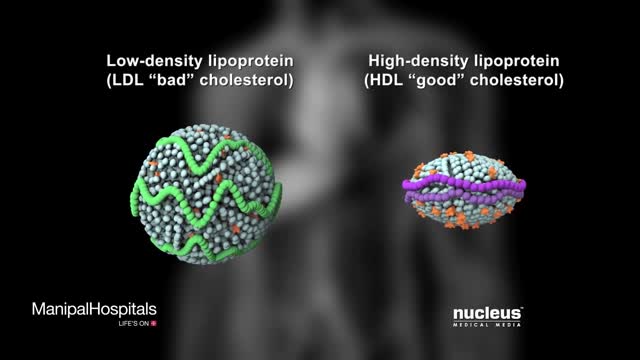
In short: Cholesterol is carried in the blood by particles including LDL, often called bad cholesterol, and HDL, often called good cholesterol. High LDL over many years contributes to narrowed arteries. Lifestyle changes and, when advised, cholesterol-lowering medicines reduce cardiovascular risk.
Watch: High Cholesterol videos

Read: the plain-language guide
Overview
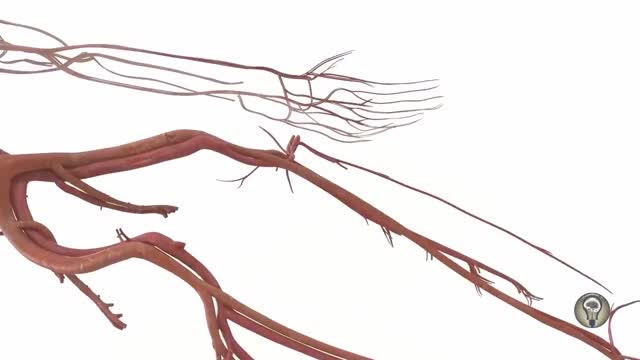
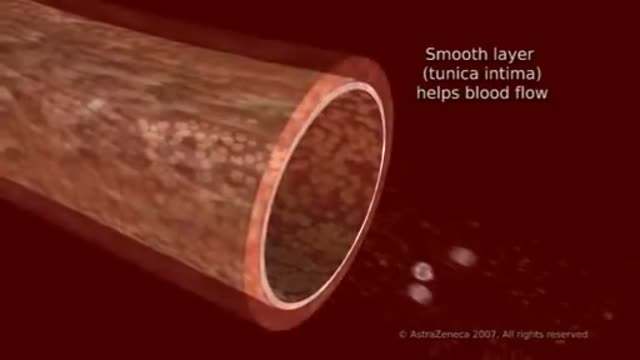
Cholesterol is a waxy substance the body needs in small amounts to build cells and make hormones. The liver makes most of it, and food adds more. Problems arise when LDL cholesterol stays high for years: it can build up in artery walls, forming plaques that narrow the vessels. This process, called atherosclerosis, develops silently and underlies most heart attacks and many strokes. Managing cholesterol is about lowering long-term risk.
Symptoms
High cholesterol itself causes no symptoms, which is why testing matters. People usually feel completely well while artery narrowing progresses. Rarely, very high inherited cholesterol can cause visible signs such as fatty deposits in the skin or around the eyes, or a pale ring around the colored part of the eye in younger people. For most, the first sign is a cardiovascular event, which prevention aims to avoid.
Causes & risk factors
Diet high in saturated fat, inactivity, smoking, and excess weight can all raise LDL cholesterol. Genetics plays a strong role for some people: familial hypercholesterolemia is an inherited condition causing very high cholesterol from birth. Other contributors include underactive thyroid, kidney and liver conditions, diabetes, and certain medicines. Age also matters, as cholesterol tends to rise over time. Often several factors combine in one person.
How it's diagnosed
Cholesterol is measured with a blood test called a lipid profile, which reports total cholesterol, LDL, HDL, and triglycerides, another blood fat. A clinician interprets results alongside overall risk, including blood pressure, smoking, diabetes, age, and family history, rather than by one number alone. People with a family history of early heart disease or very high cholesterol may be offered genetic assessment for inherited forms.
Treatment overview
Treatment starts with lifestyle: eating less saturated fat, more fiber and plant foods, regular activity, not smoking, and maintaining a healthy weight. When risk remains high, clinicians commonly prescribe cholesterol-lowering medicines, most often statins, with other drug classes available when needed. The decision to start medicine is based on overall cardiovascular risk and is individual, made together with a clinician, with follow-up blood tests to check response.
When to seek care
Cholesterol itself is not an emergency, but seek urgent help for symptoms of heart attack or stroke, such as chest pain, sudden weakness, or speech difficulty. Arrange a check if close relatives had heart disease young or very high cholesterol, as inherited forms need early treatment.
Frequently asked questions
What is the difference between LDL and HDL?
LDL carries cholesterol to the tissues, and high levels are linked to artery plaque, so it is called bad cholesterol. HDL carries cholesterol away from tissues back to the liver, so it is called good cholesterol. Clinicians look at the overall pattern, not one value alone.
Can I lower cholesterol without medicine?
Lifestyle changes can lower LDL cholesterol meaningfully for many people: less saturated fat, more fiber, regular activity, and weight management all help. Some people still need medicine because of genetics or overall risk. A clinician can advise what combination fits your risk level.
Should I avoid eggs and dietary cholesterol?
For most people, saturated fat in the diet raises blood cholesterol more than the cholesterol in food itself. Eggs in moderation fit within a balanced diet for many people. Individual advice varies, especially with diabetes or inherited high cholesterol, so discuss diet with a clinician.
What is familial hypercholesterolemia?
It is an inherited condition where LDL cholesterol is very high from birth because the liver clears it less effectively. It raises early heart disease risk but responds to treatment. Family screening is usually offered, since relatives may share the condition and benefit from early care.
More in Heart & Circulation
Related topics on MedicalVideos.com
Sources & further reading
Authoritative references for readers who want to go deeper:
This page is for general education only and is not medical advice. High cholesterol has no warning symptoms, so chest pain or sudden weakness or speech trouble should always be treated as a possible heart attack or stroke emergency.