
- Physical Examination
- Surgical Examination
- Ophthalmology
- Clinical Skills
- Orthopedics
- Surgery Videos
- Laparoscopy
- Pediatrics
- Funny Videos
- Cardiothoracic Surgery
- Nursing Videos
- Plastic Surgery
- Otorhinolaryngology
- Histology and Histopathology
- Neurosurgery
- Dermatology
- Pediatric Surgery
- Urology
- Dentistry
- Oncology and Cancers
- Anatomy Videos
- Health and Fitness
- Radiology
- Anaesthesia
- Physical Therapy
- Pharmacology
- Interventional Radiology
- Cardiology
- Endocrinology
- Gynecology
- Emergency Medicine
- Psychiatry and Psychology
- Childbirth Videos
- General Medical Videos
- Nephrology
- Physiology
- Diet and Food Health
- Diabetes Mellitus
- Neurology
- Women Health
- Osteoporosis
- Gastroenterology
- Pulmonology
- Hematology
- Rheumatology
- Toxicology
- Nuclear Medicine
- Infectious Diseases
- Vascular Disease
- Reproductive Health
- Burns and Wound Healing
- Kidney Zone Podcast
- Other
Urinary Incontinence
Urinary incontinence is the unintentional leaking of urine, ranging from small leaks to a complete loss of bladder control. This page explains its types, causes, and treatment in plain language, with videos to help you follow the key points.
✓ Medically reviewed by Dr. Mohamed Ibrahim, MD, PhD — physician-scientist · Last reviewed: November 2026
In short: In urinary incontinence, urine leaks because bladder pressure overcomes control, the bladder contracts unexpectedly, or the bladder cannot empty properly. Types include stress, urge, and overflow leaks. Care ranges from pelvic floor training and bladder training to medicines and procedures.
Watch: Urinary Incontinence videos


Read: the plain-language guide
Overview
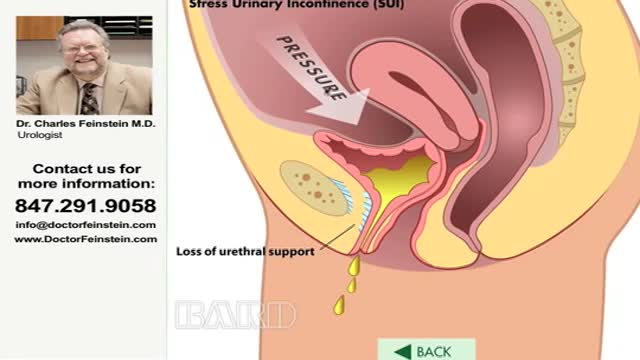
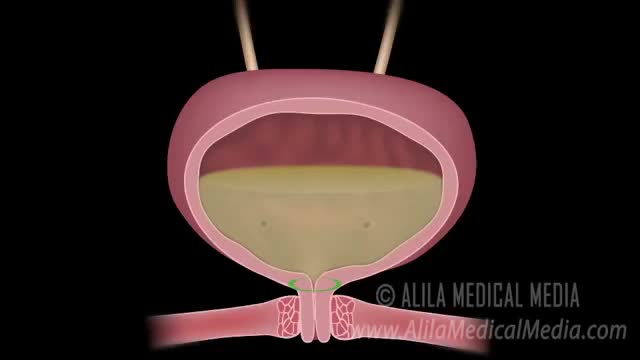
Bladder control depends on a balance between the bladder muscle, which squeezes to empty, and the outlet muscles and pelvic floor, which hold urine in until a suitable time. Urinary incontinence occurs when this balance fails. In stress incontinence, coughing, laughing, or lifting forces urine past a weakened outlet. In urge incontinence, the bladder contracts suddenly, causing a pressing need to go and leakage before reaching a toilet. Overflow and mixed patterns also occur. Incontinence is common, especially with ageing and after childbirth or prostate treatment, and effective help exists for most people.
Symptoms
Symptoms follow the type. Stress leakage happens with coughing, sneezing, laughing, exercise, or lifting. Urge leakage follows a sudden, hard-to-defer need to pass urine, sometimes triggered by arriving home or hearing running water, and may include frequent trips and night-time waking. Overflow leakage involves dribbling, a weak stream, and a feeling the bladder never empties. Many people have a mixture of stress and urge symptoms. Leaks can affect confidence, sleep, work, and social life, yet many people delay seeking help from embarrassment despite available treatments.
Causes & risk factors
Causes differ by type. Weakened pelvic floor muscles and outlet support, following childbirth, menopause-related tissue changes, ageing, or prostate surgery, underlie stress leakage. An overactive bladder muscle, sometimes linked to nerve conditions, bladder irritation, or no clear cause, underlies urge leakage. Blocked outflow, commonly from an enlarged prostate, or a weakened bladder muscle can cause overflow. Constipation, urinary infection, excess weight, certain medicines, and high fluid or caffeine intake can worsen any type. Finding the pattern and contributors guides which treatments are most likely to help.
How it's diagnosed
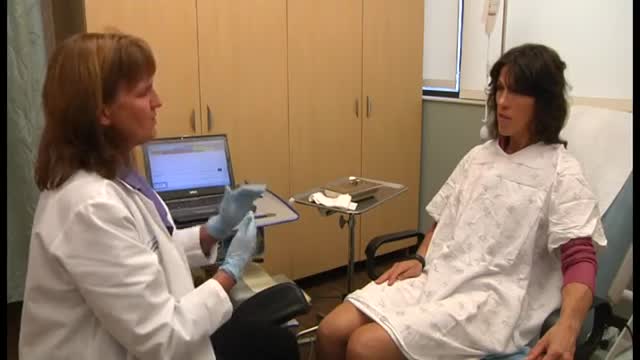
Assessment starts with a history of the leaking pattern and a bladder diary recording drinks, toilet trips, and leaks. Examination may include the pelvic floor or prostate, and a urine test rules out infection. A simple bladder scan after passing urine checks whether the bladder empties fully. Most people need no complex testing before starting first-line treatment. Specialist bladder function tests are reserved for unclear cases, failed initial treatment, or before surgery. The assessment also reviews medicines and conditions that may be contributing to the problem.
Treatment overview
First-line treatment is usually non-surgical. Pelvic floor muscle training, done regularly and correctly, helps stress and mixed leakage. Bladder training, gradually extending the time between toilet trips, helps urge symptoms. Weight loss where relevant, treating constipation, and adjusting caffeine and fluid timing can all help. Medicines that calm an overactive bladder are an option for urge symptoms, with review of benefit and side effects. Pads and protective products manage leaks meanwhile. When these measures are not enough, specialist procedures or surgery may be considered for suitable people.
When to seek care
Seek prompt help if you suddenly cannot pass urine at all, leak with new leg weakness or numbness around the saddle area, or see blood in the urine. Fever with back pain and urinary symptoms suggests kidney infection and needs same-day assessment.
Frequently asked questions
Is urinary incontinence just a normal part of ageing?
Leakage becomes more common with age, but it is not an inevitable part of ageing that must simply be accepted. Many causes can be improved or managed well with pelvic floor training, bladder training, medicines, or procedures. Assessment is worthwhile at any age.
Should I drink less to stop leaking?
Drinking too little can backfire: concentrated urine irritates the bladder and worsens urgency, and dehydration harms general health. It is usually better to drink normally, spread fluids through the day, and reduce caffeine and alcohol if they worsen symptoms. A bladder diary helps personalise this advice.
Do pelvic floor exercises really work?
Yes, for stress and mixed incontinence, correctly performed pelvic floor training, continued regularly over months, improves leakage for many people. Technique matters, and a pelvic health physiotherapist can check the muscles are working correctly and build a program suited to the individual.
Can men get urinary incontinence too?
Yes. In men, leakage often follows prostate surgery or relates to an enlarged prostate causing poor emptying and overflow, or to an overactive bladder. Treatments differ by cause, so assessment of the pattern, prostate, and bladder emptying guides the right approach.
More in Kidneys & Urinary
Related topics on MedicalVideos.com
Sources & further reading
Authoritative references for readers who want to go deeper:
This page is for general education only and is not medical advice. Sudden inability to pass urine, or new leakage with leg weakness or saddle numbness, can signal a nerve emergency and needs immediate care.