
- Physical Examination
- Surgical Examination
- Ophthalmology
- Clinical Skills
- Orthopedics
- Surgery Videos
- Laparoscopy
- Pediatrics
- Funny Videos
- Cardiothoracic Surgery
- Nursing Videos
- Plastic Surgery
- Otorhinolaryngology
- Histology and Histopathology
- Neurosurgery
- Dermatology
- Pediatric Surgery
- Urology
- Dentistry
- Oncology and Cancers
- Anatomy Videos
- Health and Fitness
- Radiology
- Anaesthesia
- Physical Therapy
- Pharmacology
- Interventional Radiology
- Cardiology
- Endocrinology
- Gynecology
- Emergency Medicine
- Psychiatry and Psychology
- Childbirth Videos
- General Medical Videos
- Nephrology
- Physiology
- Diet and Food Health
- Diabetes Mellitus
- Neurology
- Women Health
- Osteoporosis
- Gastroenterology
- Pulmonology
- Hematology
- Rheumatology
- Toxicology
- Nuclear Medicine
- Infectious Diseases
- Vascular Disease
- Reproductive Health
- Burns and Wound Healing
- Kidney Zone Podcast
- Other
Pulmonary Fibrosis
Pulmonary fibrosis is a lung condition in which the delicate tissue around the air sacs becomes scarred and stiff, making breathing progressively harder. This page explains its symptoms, causes, and treatment in plain language, with videos to help you follow the key points.
✓ Medically reviewed by Dr. Mohamed Ibrahim, MD, PhD — physician-scientist · Last reviewed: November 2026
In short: Scarring in pulmonary fibrosis stiffens the lungs, so oxygen passes into the blood less easily. Breathlessness on exertion and a dry cough are the main symptoms. There is no cure, but medicines can slow scarring in some types, and oxygen and rehabilitation help people stay active.
Watch: Pulmonary Fibrosis videos

Read: the plain-language guide
Overview
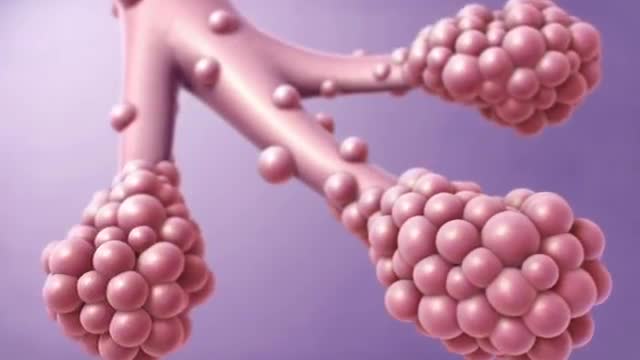
Deep in the lungs, tiny air sacs are wrapped in a fine web of tissue across which oxygen passes into the blood. In pulmonary fibrosis, this tissue becomes thickened and scarred, so the lungs cannot expand fully or transfer oxygen efficiently. The most common form, idiopathic pulmonary fibrosis, has no identified cause. Other forms follow inhaled dusts, certain medicines, or autoimmune diseases. Scarring is permanent and usually progresses over time, although the speed varies greatly between individuals and by type.
Symptoms
Breathlessness is the main symptom, first on hills, stairs, or hurrying, and gradually with lighter activity. A persistent dry cough that does not respond to usual remedies is common. People may notice tiredness, loss of appetite, and weight loss. The fingertips sometimes widen and the nails curve, a change called clubbing. Symptoms develop slowly over months to years, so people often adapt and reduce activity without realising how limited they have become until the condition is recognised.
Causes & risk factors
Idiopathic pulmonary fibrosis arises without a clear external cause, although age, smoking history, and genetic factors influence risk. Other pulmonary fibrosis follows inhaling mineral or organic dusts, such as asbestos, silica, coal dust, or mouldy hay and bird proteins. Autoimmune conditions including rheumatoid arthritis and scleroderma can scar the lungs. Certain medicines and radiation treatment to the chest are further causes. Identifying a cause matters, because removing an exposure or treating an underlying condition can change management.
How it's diagnosed
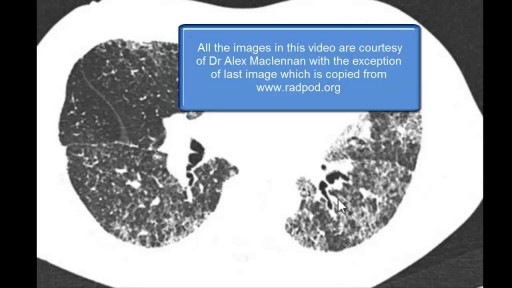
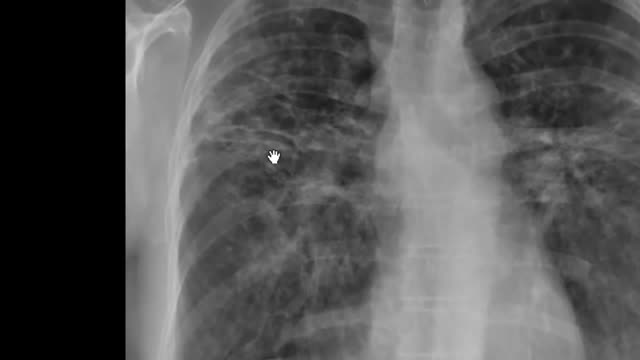
A clinician listens for fine crackling sounds at the lung bases and checks oxygen levels, including during walking. High-resolution CT scanning of the chest shows the characteristic scarring pattern and often makes the diagnosis. Lung function tests measure how much air the lungs hold and how well oxygen transfers. Blood tests look for autoimmune causes. Occasionally a lung biopsy is needed. Cases are usually reviewed by a specialist team combining scans, tests, and history before the type is confirmed.
Treatment overview
Scarring that has formed cannot be reversed, so treatment aims to slow progression and ease symptoms. For idiopathic pulmonary fibrosis, antifibrotic medicines can slow the decline in lung function. Other types may respond to immune-suppressing treatment or removal of the causative exposure. Oxygen therapy helps when blood oxygen falls. Pulmonary rehabilitation, vaccinations, and stopping smoking support fitness and prevent setbacks. Lung transplant is an option for selected people. Early referral to a specialist centre gives the widest choice of treatments.
When to seek care
Seek prompt care for rapidly worsening breathlessness, new chest pain, fever, or coughing blood, as infection or a flare of the fibrosis can develop quickly. A sudden big drop in exercise ability, or needing oxygen more than usual, should never be waited out at home and deserves urgent specialist or emergency review.
Frequently asked questions
Is pulmonary fibrosis the same as COPD?
No. In pulmonary fibrosis the lungs become stiff and shrunken from scarring, so they hold less air. In COPD the airways are narrowed and the lungs trap air. Both cause breathlessness and cough, but their scan appearances, tests, and treatments differ.
Can pulmonary fibrosis be cured?
Established scarring cannot currently be reversed, so there is no cure. However, antifibrotic medicines slow progression in idiopathic disease, other types may stabilise when their cause is treated, and transplant helps selected people. Supportive care greatly improves daily quality of life.
Why do oxygen levels drop during exercise first?
At rest, even scarred lungs may transfer just enough oxygen. During exertion the body demands more, blood passes the air sacs faster, and the thickened tissue cannot keep up, so levels fall. This is why walking tests are part of assessment.
Does pulmonary fibrosis run in families?
It can. A minority of cases cluster in families, reflecting inherited genetic factors that make lung tissue vulnerable to scarring. Relatives with persistent cough or breathlessness should mention the family history to their clinician so assessment happens early.
More in Lungs & Breathing
Related topics on MedicalVideos.com
Sources & further reading
Authoritative references for readers who want to go deeper:
This page is for general education only and is not medical advice. In pulmonary fibrosis, a sudden worsening of breathlessness over days can signal a serious flare or infection and needs urgent assessment.