
- Physical Examination
- Surgical Examination
- Ophthalmology
- Clinical Skills
- Orthopedics
- Surgery Videos
- Laparoscopy
- Pediatrics
- Funny Videos
- Cardiothoracic Surgery
- Nursing Videos
- Plastic Surgery
- Otorhinolaryngology
- Histology and Histopathology
- Neurosurgery
- Dermatology
- Pediatric Surgery
- Urology
- Dentistry
- Oncology and Cancers
- Anatomy Videos
- Health and Fitness
- Radiology
- Anaesthesia
- Physical Therapy
- Pharmacology
- Interventional Radiology
- Cardiology
- Endocrinology
- Gynecology
- Emergency Medicine
- Psychiatry and Psychology
- Childbirth Videos
- General Medical Videos
- Nephrology
- Physiology
- Diet and Food Health
- Diabetes Mellitus
- Neurology
- Women Health
- Osteoporosis
- Gastroenterology
- Pulmonology
- Hematology
- Rheumatology
- Toxicology
- Nuclear Medicine
- Infectious Diseases
- Vascular Disease
- Reproductive Health
- Burns and Wound Healing
- Kidney Zone Podcast
- Other
Tuberculosis
Tuberculosis is an infectious disease caused by bacteria that usually attack the lungs and spread through the air from person to person. This page explains its symptoms, causes, and treatment in plain language, with videos to help you follow the key points.
✓ Medically reviewed by Dr. Mohamed Ibrahim, MD, PhD — physician-scientist · Last reviewed: November 2026
In short: Tuberculosis most often affects the lungs, causing a persistent cough, fever, night sweats, and weight loss. Many infected people carry the bacteria without illness, called latent infection. Active disease is curable with a full course of antibiotics taken exactly as prescribed.
Watch: Tuberculosis videos
Read: the plain-language guide
Overview
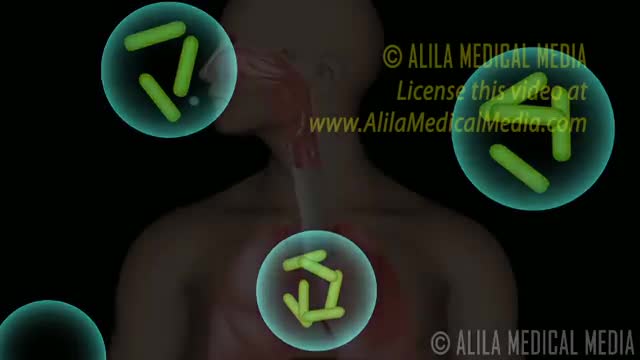
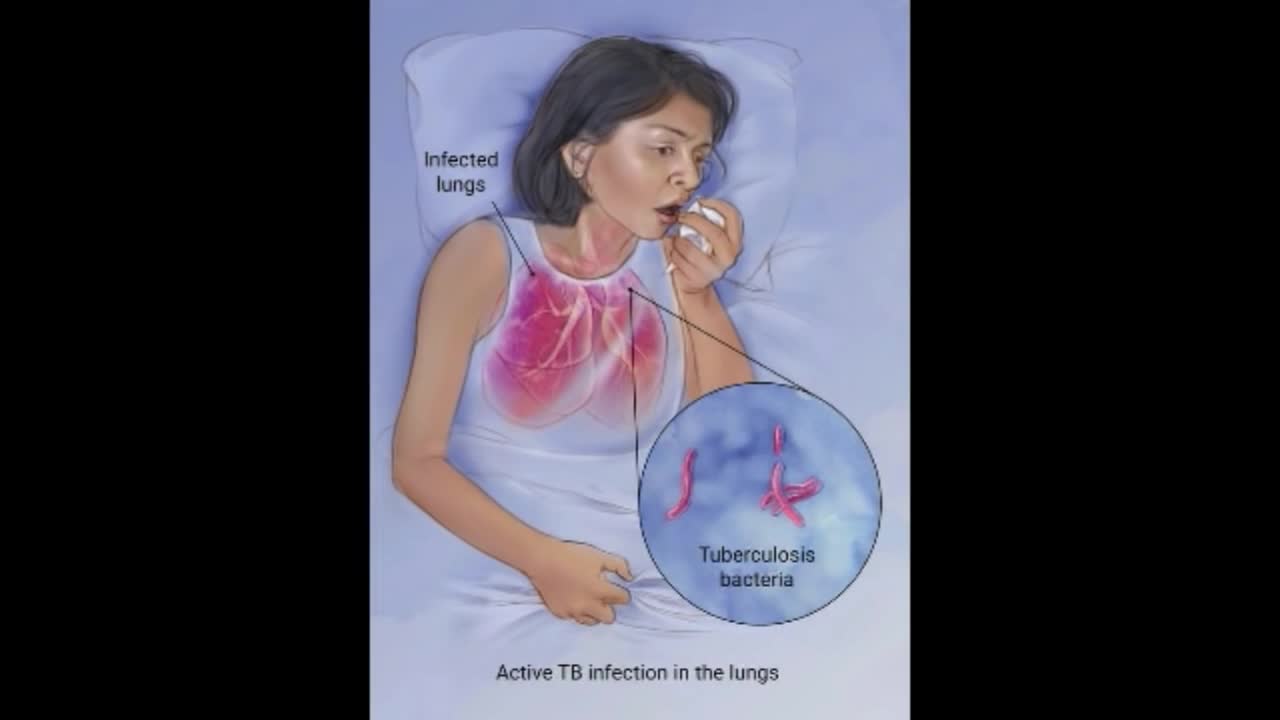
Tuberculosis, often shortened to TB, is caused by the bacterium Mycobacterium tuberculosis. It spreads when a person with active lung disease coughs, speaks, or sings, releasing tiny droplets that others breathe in. After infection, the immune system often walls the bacteria off: this is latent infection, with no symptoms and no spread to others. In some people, immediately or years later, the bacteria become active and cause illness. TB usually affects the lungs but can involve lymph nodes, bones, kidneys, or the brain coverings.
Symptoms
Active lung TB develops gradually. The typical pattern is a cough lasting more than a few weeks, sometimes bringing up mucus or blood, together with fever, drenching night sweats, tiredness, loss of appetite, and weight loss. Chest pain can occur. Symptoms outside the lungs depend on the site: swollen glands, back pain, or headache and confusion when the brain coverings are involved. Because onset is slow, people may delay seeking help, which prolongs both illness and the chance of passing TB on.
Causes & risk factors
The cause is infection with Mycobacterium tuberculosis, acquired by breathing air shared with someone who has untreated active lung TB, usually through prolonged close contact rather than brief encounters. Latent infection is more likely to activate when immunity weakens: with HIV infection, diabetes, kidney failure, malnutrition, or medicines that suppress the immune system. Young children and older adults are also more vulnerable. TB does not spread through touch, sharing food, or surfaces, because the bacteria travel in airborne droplets from the lungs.
How it's diagnosed
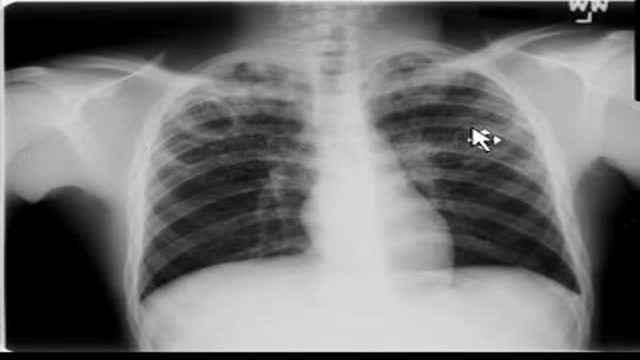
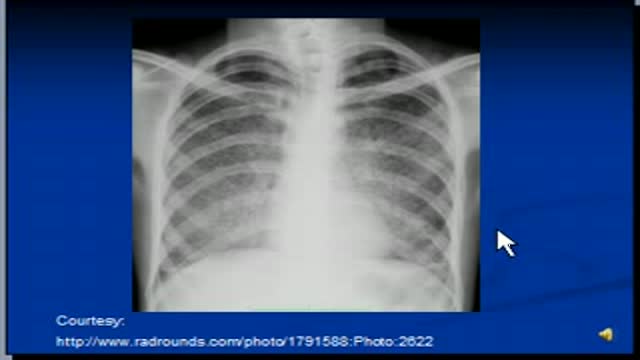
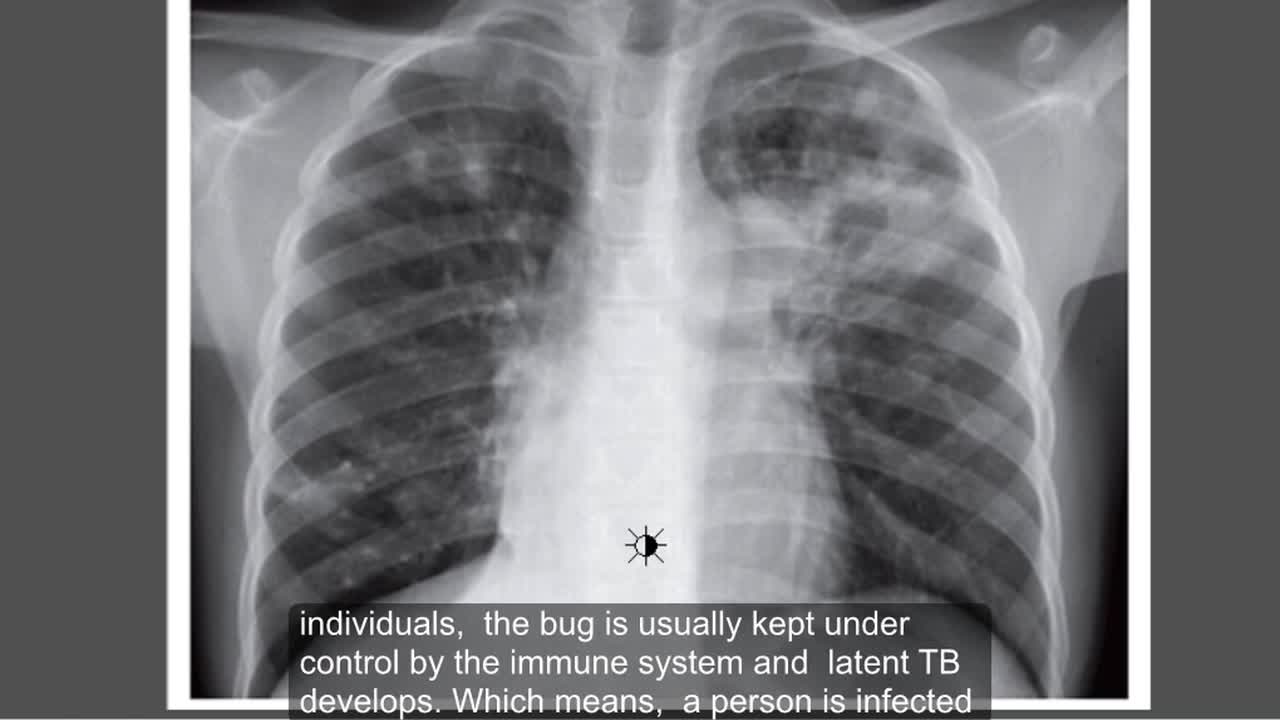
A chest X-ray is usually the first test when lung TB is suspected. Samples of mucus coughed from the lungs are examined for the bacteria and tested to confirm TB and check which antibiotics will work. For latent infection, a skin test or a specific blood test shows whether the immune system has met TB bacteria, combined with an X-ray to exclude active disease. Testing close contacts of someone with active TB is a standard and important part of control.
Treatment overview
Active TB is treated with a combination of antibiotics taken for many months. Using several medicines together prevents resistance and cures the great majority of people who complete the course. Stopping early is dangerous: symptoms may fade while bacteria survive, causing relapse and drug-resistant disease that is far harder to treat. Support, and sometimes observed dosing, helps people finish. Latent infection can also be treated with a shorter preventive course to stop it ever becoming active, especially in higher-risk people.
When to seek care
Seek prompt care for a cough lasting more than a few weeks, coughing blood, drenching night sweats, or unexplained weight loss. Anyone told they are a close contact of a person with TB should attend testing even if they feel completely well, because early treatment protects both them and the people around them.
Frequently asked questions
Can tuberculosis be cured?
Yes. Drug-sensitive tuberculosis is curable with a full course of combined antibiotics taken exactly as prescribed for the whole duration. The danger lies in incomplete treatment, which can allow drug-resistant bacteria to emerge and make the disease much harder to cure.
What is latent tuberculosis infection?
Latent infection means TB bacteria are present in the body but held in check by the immune system. The person feels well, has a normal chest X-ray, and cannot spread TB. Preventive treatment can stop it becoming active later.
How is tuberculosis different from other chest infections?
Tuberculosis develops slowly over weeks to months, with night sweats and weight loss alongside cough, whereas most chest infections come on over days with high fever. TB also needs months of combined antibiotics rather than a short course, and contacts are tested.
Is there a vaccine against tuberculosis?
Yes, the BCG vaccine protects young children against the most severe forms of TB, such as TB meningitis. It is less reliable at preventing lung TB in adults, so testing, prompt treatment, and contact tracing remain the main tools of control.
More in Lungs & Breathing
Related topics on MedicalVideos.com
Sources & further reading
Authoritative references for readers who want to go deeper:
This page is for general education only and is not medical advice. A cough lasting more than a few weeks with night sweats or weight loss should be tested for tuberculosis, especially after close contact with someone diagnosed with it.