
- Physical Examination
- Surgical Examination
- Ophthalmology
- Clinical Skills
- Orthopedics
- Surgery Videos
- Laparoscopy
- Pediatrics
- Funny Videos
- Cardiothoracic Surgery
- Nursing Videos
- Plastic Surgery
- Otorhinolaryngology
- Histology and Histopathology
- Neurosurgery
- Dermatology
- Pediatric Surgery
- Urology
- Dentistry
- Oncology and Cancers
- Anatomy Videos
- Health and Fitness
- Radiology
- Anaesthesia
- Physical Therapy
- Pharmacology
- Interventional Radiology
- Cardiology
- Endocrinology
- Gynecology
- Emergency Medicine
- Psychiatry and Psychology
- Childbirth Videos
- General Medical Videos
- Nephrology
- Physiology
- Diet and Food Health
- Diabetes Mellitus
- Neurology
- Women Health
- Osteoporosis
- Gastroenterology
- Pulmonology
- Hematology
- Rheumatology
- Toxicology
- Nuclear Medicine
- Infectious Diseases
- Vascular Disease
- Reproductive Health
- Burns and Wound Healing
- Kidney Zone Podcast
- Other
Meningitis
Meningitis is inflammation of the protective membranes that surround the brain and spinal cord, usually caused by an infection. This page explains its warning signs, causes, and treatment in plain language, with videos to help you follow the key points.
✓ Medically reviewed by Dr. Mohamed Ibrahim, MD, PhD — physician-scientist · Last reviewed: November 2026
In short: In meningitis, infection or another trigger inflames the membranes around the brain and spinal cord. Bacterial meningitis can become life threatening very quickly, so sudden fever with severe headache, neck stiffness, or confusion needs emergency assessment without delay.
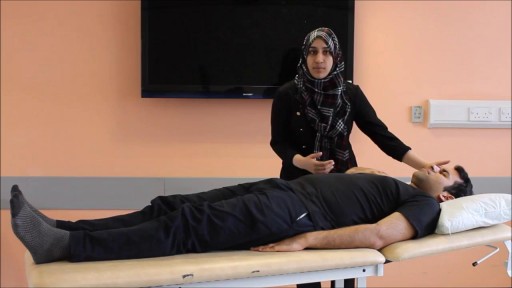
Watch: Meningitis videos




Read: the plain-language guide
Overview
The brain and spinal cord are wrapped in thin protective layers called the meninges, with fluid flowing between them. When these layers become inflamed, pressure and irritation inside the head can build quickly. Viruses are a common cause and often cause a milder illness, while bacteria can cause a severe infection that worsens over hours. Fungi and other triggers are less common and usually affect people with weakened immune defenses. Because early symptoms can resemble flu, knowing the warning pattern matters, and prompt treatment greatly improves the outlook for bacterial disease.
Symptoms
Typical symptoms include fever, a severe headache, and stiffness in the neck that makes lowering the chin painful. Bright light may hurt the eyes, and nausea, vomiting, confusion, drowsiness, or seizures can develop. Some bacterial infections cause a rash of small spots that do not fade when pressed. Babies may show a high pitched cry, poor feeding, or a bulging soft spot. Symptoms do not always appear together, and illness can progress quickly, so worsening fever with headache or altered alertness should never be waited out at home.
Causes & risk factors
Viruses that spread through coughs, sneezes, and close contact cause many cases, and viral meningitis often settles without specific treatment. Bacteria spread in similar ways or reach the meninges from infections in the ear, sinuses, or bloodstream, and from head injury or surgery on rare occasions. Newborns can acquire infection around birth, while teenagers, students in shared housing, and people without a working spleen face higher bacterial risk. Vaccines protect against several important bacterial and viral causes, which is why keeping immunizations current is a central part of prevention.
How it's diagnosed
Doctors assess meningitis urgently in hospital, examining alertness, neck movement, rash, and signs of infection elsewhere. Blood tests and blood cultures help identify inflammation and the responsible germ. A lumbar puncture, in which a needle collects fluid from around the lower spine, is the key test when it is safe to perform, because the fluid pattern helps distinguish bacterial from viral causes. Brain imaging may come first if there are seizures, reduced consciousness, or concern about pressure inside the head. Treatment often starts before every result returns.
Treatment overview
Suspected bacterial meningitis is treated in hospital with antibiotics given into a vein, started as early as possible, alongside fluids and close monitoring. Steroid medicine is sometimes given alongside antibiotics in selected cases. Viral meningitis usually needs rest, fluids, and pain relief rather than antibiotics, although antiviral medicine is used when a herpes virus is suspected. People in close contact with someone who has certain bacterial infections may be offered preventive antibiotics. Vaccination after recovery may also be advised where a preventable cause was found or protection is incomplete.
When to seek care
Call emergency services now for fever with severe headache, neck stiffness, confusion, seizures, a rash that does not fade under pressure, or unusual drowsiness. Babies who are floppy, hard to wake, or feeding poorly with fever need emergency care immediately, without waiting to see whether symptoms settle.
Frequently asked questions
Is meningitis contagious?
Some causes of meningitis can spread between people through coughs, sneezes, and close prolonged contact, while others cannot. Close contacts of someone with certain bacterial infections may be offered preventive antibiotics and advised which symptoms should prompt urgent medical attention.
What is the rash linked with meningitis?
A rash of small red or purple spots that do not fade when a glass is pressed against them can signal a serious bloodstream infection linked with meningitis. It is a late and serious sign, so its absence should never delay seeking emergency help.
Can vaccines prevent meningitis?
Vaccines protect against several important causes of meningitis, including certain bacteria and viruses covered by routine childhood immunization programs. Vaccination does not prevent every cause, so knowing the warning symptoms and seeking urgent care for them remains essential for everyone.
How is viral meningitis different from bacterial meningitis?
Viral meningitis is usually milder and often settles with rest and fluids, while bacterial meningitis can worsen within hours and needs urgent hospital antibiotics. Because the two can look similar at first, doctors assess suspected meningitis as an emergency until tests clarify the cause.
More in Brain & Nerves
Related topics on MedicalVideos.com
Sources & further reading
Authoritative references for readers who want to go deeper:
This page is for general education only and is not medical advice. Meningitis can worsen within hours, so fever with severe headache, neck stiffness, confusion, or a non fading rash needs emergency care immediately rather than home monitoring.