
- Physical Examination
- Surgical Examination
- Ophthalmology
- Clinical Skills
- Orthopedics
- Surgery Videos
- Laparoscopy
- Pediatrics
- Funny Videos
- Cardiothoracic Surgery
- Nursing Videos
- Plastic Surgery
- Otorhinolaryngology
- Histology and Histopathology
- Neurosurgery
- Dermatology
- Pediatric Surgery
- Urology
- Dentistry
- Oncology and Cancers
- Anatomy Videos
- Health and Fitness
- Radiology
- Anaesthesia
- Physical Therapy
- Pharmacology
- Interventional Radiology
- Cardiology
- Endocrinology
- Gynecology
- Emergency Medicine
- Psychiatry and Psychology
- Childbirth Videos
- General Medical Videos
- Nephrology
- Physiology
- Diet and Food Health
- Diabetes Mellitus
- Neurology
- Women Health
- Osteoporosis
- Gastroenterology
- Pulmonology
- Hematology
- Rheumatology
- Toxicology
- Nuclear Medicine
- Infectious Diseases
- Vascular Disease
- Reproductive Health
- Burns and Wound Healing
- Kidney Zone Podcast
- Other
Sickle Cell Disease
Sickle cell disease is an inherited blood condition in which red blood cells become stiff and crescent-shaped, blocking small blood vessels and breaking down early. This page explains its symptoms and treatment in plain language, with videos to help you follow the key points.
✓ Medically reviewed by Dr. Mohamed Ibrahim, MD, PhD — physician-scientist · Last reviewed: November 2026
In short: In sickle cell disease, abnormal hemoglobin makes red cells sickle under stress, causing anemia, episodes of severe pain called crises, and gradual organ damage. There is no widely available cure, but screening, preventive care, and modern treatments greatly improve health and life expectancy.
Watch: Sickle Cell Disease videos

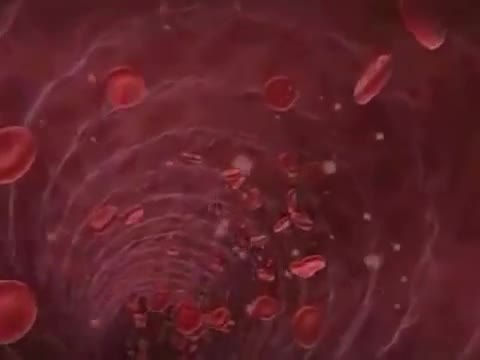

Read: the plain-language guide
Overview
Red blood cells are normally soft, round discs that flow easily through the smallest vessels, carrying oxygen around the body. In sickle cell disease, an altered form of hemoglobin, the oxygen-carrying protein, makes cells rigid and sickle-shaped when oxygen levels fall. These cells block blood flow and are destroyed quickly, causing anemia. The condition is inherited: a child develops the disease when the sickle gene is inherited from both parents, while inheriting it from one parent gives sickle cell trait, which usually causes no illness. Severity varies widely between individuals.
Symptoms
Symptoms begin in infancy, once fetal hemoglobin fades. Pain crises are the hallmark: episodes of severe pain, often in the bones, chest, abdomen, or back, caused by blocked blood flow. Anemia causes tiredness, pallor, and sometimes yellowing of the eyes. Children may have swollen hands and feet, delayed growth, and frequent infections because the spleen becomes damaged early. Over time, complications can include stroke, chest crises with breathing difficulty, leg ulcers, eye damage, and kidney problems. Fever in a person with sickle cell disease is always significant because infection risk is high.
Causes & risk factors
Sickle cell disease is caused by inheriting two copies of a changed hemoglobin gene, one from each parent. Parents who carry one copy have sickle cell trait; they are usually healthy but can pass the gene on. The gene is most common in people whose ancestors came from parts of Africa, the Mediterranean, the Middle East, and South Asia, where carrying one copy historically offered protection against malaria. The disease itself is not contagious.
How it's diagnosed
In many countries, newborn babies are screened for sickle cell disease with a blood test shortly after birth, allowing preventive care to start. Where screening is not routine, diagnosis is made with blood tests that separate and identify the types of hemoglobin present, supported by a full blood count and examination of the blood under a microscope. Genetic testing can confirm the diagnosis and identify carriers. Parents and siblings are usually offered testing too, and genetic counseling explains inheritance patterns and choices for future pregnancies.
Treatment overview
Care focuses on preventing crises and complications and treating problems early. Vaccinations and preventive antibiotics in childhood guard against serious infection, and folic acid supports red cell production. Keeping well hydrated, avoiding extreme cold and overexertion, and treating infections promptly reduce crisis triggers. Pain crises are managed with fluids, warmth, and graded pain relief, sometimes in hospital. A medicine that raises fetal hemoglobin reduces crises for many people, and regular blood transfusions help selected patients, particularly for stroke prevention. Stem cell transplant can cure the disease but suits only some patients, and newer gene-based treatments are emerging.
When to seek care
Seek emergency care for fever, chest pain or breathing difficulty, weakness or speech problems suggesting stroke, severe pain not controlled at home, or a painful persistent erection. In sickle cell disease, fever is never something to wait out, especially in children.
Frequently asked questions
What triggers a sickle cell pain crisis?
Crises can be triggered by infection, dehydration, cold weather, stress, or strenuous exertion, all of which encourage red cells to sickle and block vessels. Sometimes no trigger is found. Keeping hydrated, warm, and treating infections early lowers the chance of a crisis.
What is the difference between sickle cell disease and trait?
Sickle cell disease means inheriting the changed gene from both parents, causing anemia, pain crises, and organ risks. Sickle cell trait means inheriting it from one parent only; carriers are usually healthy, rarely have symptoms, but can pass the gene to their children.
Can sickle cell disease be cured?
A stem cell transplant from a matched donor can cure sickle cell disease, but it carries significant risks and is suitable for only some patients, usually children with severe disease. Gene-based treatments have recently become available in some countries for selected patients.
Why is fever so serious in sickle cell disease?
The spleen, which helps fight certain bacterial infections, becomes damaged early in sickle cell disease, so infections can become life-threatening quickly. Fever therefore needs urgent assessment, and preventive vaccinations and antibiotics in childhood are an essential part of care.
More in Blood & Immune
Related topics on MedicalVideos.com
Sources & further reading
Authoritative references for readers who want to go deeper:
This page is for general education only and is not medical advice. Fever in a person with sickle cell disease, especially a child, needs emergency assessment because serious infection can develop very quickly.