
- Physical Examination
- Surgical Examination
- Ophthalmology
- Clinical Skills
- Orthopedics
- Surgery Videos
- Laparoscopy
- Pediatrics
- Funny Videos
- Cardiothoracic Surgery
- Nursing Videos
- Plastic Surgery
- Otorhinolaryngology
- Histology and Histopathology
- Neurosurgery
- Dermatology
- Pediatric Surgery
- Urology
- Dentistry
- Oncology and Cancers
- Anatomy Videos
- Health and Fitness
- Radiology
- Anaesthesia
- Physical Therapy
- Pharmacology
- Interventional Radiology
- Cardiology
- Endocrinology
- Gynecology
- Emergency Medicine
- Psychiatry and Psychology
- Childbirth Videos
- General Medical Videos
- Nephrology
- Physiology
- Diet and Food Health
- Diabetes Mellitus
- Neurology
- Women Health
- Osteoporosis
- Gastroenterology
- Pulmonology
- Hematology
- Rheumatology
- Toxicology
- Nuclear Medicine
- Infectious Diseases
- Vascular Disease
- Reproductive Health
- Burns and Wound Healing
- Kidney Zone Podcast
- Other
CPT vs ICD-10 vs HCPCS
CPT, ICD-10, and HCPCS are the three code sets that appear on American medical claims, and they answer different questions. Confusing them is easy because all three are called 'codes' — but each one has a distinct job, a distinct owner, and a distinct shape.
✓ Medically reviewed by Dr. Mohamed Ibrahim, MD, PhD — physician-scientist · Last reviewed: November 2026
Watch: CPT vs ICD-10 vs HCPCS videos
Guide
What this family is
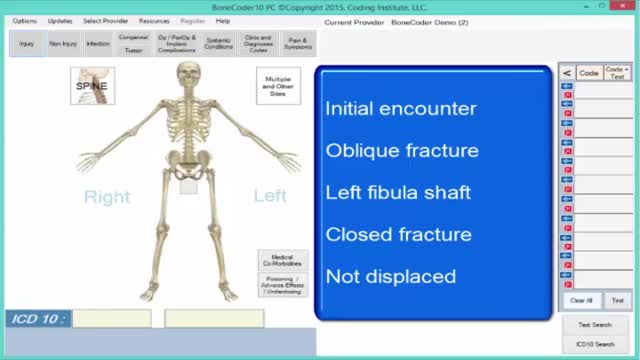
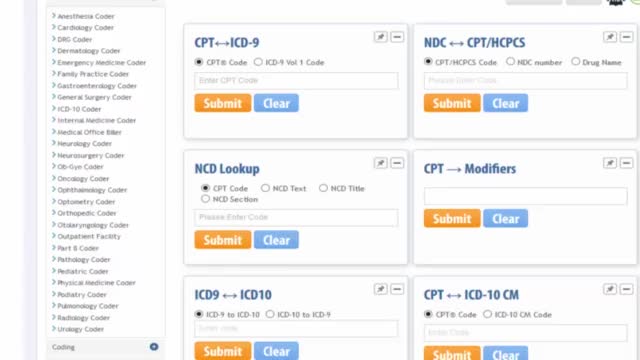
Three code sets share the work. CPT, maintained by the American Medical Association, describes services and procedures — what was done — and covers most of what clinicians do. ICD-10-CM, the US version of the World Health Organization's diagnosis classification, describes diseases and reasons — why it was done. HCPCS Level II, maintained by CMS, fills CPT's gaps: it starts with a letter and covers ambulance transport, medical equipment, supplies, many injectable drugs, and Medicare-specific services such as the annual wellness visit. (HCPCS Level I is CPT itself — the two levels together are simply called HCPCS.) Coders use all three on the same claim. The shapes give them away: CPT codes are five digits; ICD-10-CM codes start with a letter and run from three to seven characters, growing more specific as characters are added; HCPCS Level II codes are one letter followed by four digits. A reader who knows the shapes can tell at a glance which system any code on a bill belongs to, and therefore what kind of question it answers.
The codes in plain language
One example of each, side by side:
| Code | In plain language |
|---|---|
| 99213 | A CPT code: a mid-level office visit for an established patient — the 'what was done' side of the claim. |
| E11.9 | An ICD-10-CM code: type 2 diabetes without complications — the 'why it was done' side of the claim. |
| G0438 | A HCPCS Level II code: the first annual wellness visit under Medicare — a service CPT does not cover. |
| G0439 | A HCPCS Level II code: a later annual wellness visit under Medicare, after the first one. |
How it shows up on a bill
On a real claim or EOB you can see the partnership at work: each line carries a CPT or HCPCS code for the service, and the claim as a whole carries ICD-10 codes for the reasons. If a service is questioned or denied, the first thing reviewers check is whether the diagnosis codes on the claim actually justify the procedure codes — the 'what' and the 'why' have to match.
Common questions
Can a claim have a CPT code without an ICD-10 code?
No — both appear together. Every claim line pairs a procedure code (what was done) with at least one diagnosis code (why it was medically needed). A claim with only one side is incomplete and normally cannot be processed.
Why do some codes start with a letter?
Those are HCPCS Level II codes — the letter shows the family: A for supplies and transport, G for Medicare-specific services, J for many injectable drugs, L for prosthetics and orthotics, and so on. They cover the things CPT does not.
Is ICD-10 ever used for procedures?
ICD-10 codes are diagnosis codes only; they never describe a procedure. The procedure system used alongside ICD-10 in US hospitals for inpatient records is ICD-10-PCS, a separate system again — while outpatient and office care uses CPT for procedures.
How often do the code sets change?
CPT is updated by the AMA every year, with new and revised codes taking effect each January. ICD-10-CM updates yearly through CMS and the CDC, and HCPCS Level II is updated by CMS on a rolling basis. Codes on an old bill may have changed since.
More in Bills, Modifiers & Basics
Related
Sources
- CPT® codes overview (American Medical Association)
- Physician Fee Schedule (Centers for Medicare & Medicaid Services)
- HCPCS code G0438 lookup (AAPC Codify)
- Health Insurance (MedlinePlus)
This guide is general information about how medical services are coded, not billing advice and not medical advice. Coding rules change every year and vary between insurers; for a question about your own bill, contact the billing office that sent it or your insurance company, and for coding work, use the current official code books. ICD-10-CM codes are maintained by US public agencies and published freely; CPT is the AMA's system, and HCPCS Level II is maintained by CMS.
CPT® is a registered trademark of the American Medical Association (AMA). The descriptions on this page are plain-language summaries written by MedicalVideos.com in its own words; the official CPT® code descriptions are published by the AMA in the current CPT® code book.