
- Physical Examination
- Surgical Examination
- Ophthalmology
- Clinical Skills
- Orthopedics
- Surgery Videos
- Laparoscopy
- Pediatrics
- Funny Videos
- Cardiothoracic Surgery
- Nursing Videos
- Plastic Surgery
- Otorhinolaryngology
- Histology and Histopathology
- Neurosurgery
- Dermatology
- Pediatric Surgery
- Urology
- Dentistry
- Oncology and Cancers
- Anatomy Videos
- Health and Fitness
- Radiology
- Anaesthesia
- Physical Therapy
- Pharmacology
- Interventional Radiology
- Cardiology
- Endocrinology
- Gynecology
- Emergency Medicine
- Psychiatry and Psychology
- Childbirth Videos
- General Medical Videos
- Nephrology
- Physiology
- Diet and Food Health
- Diabetes Mellitus
- Neurology
- Women Health
- Osteoporosis
- Gastroenterology
- Pulmonology
- Hematology
- Rheumatology
- Toxicology
- Nuclear Medicine
- Infectious Diseases
- Vascular Disease
- Reproductive Health
- Burns and Wound Healing
- Kidney Zone Podcast
- Other
Lab & Pathology Codes (80047–89398)
Lab and pathology codes are the CPT codes for laboratory work — blood tests, urine tests, drug screens, cultures, and the microscope examination of tissue samples. They fill the 80000 series of the code book, the section formally called Pathology and Laboratory.
✓ Medically reviewed by Dr. Mohamed Ibrahim, MD, PhD — physician-scientist · Last reviewed: November 2026
Watch: Lab & Pathology Codes (80047–89398) videos
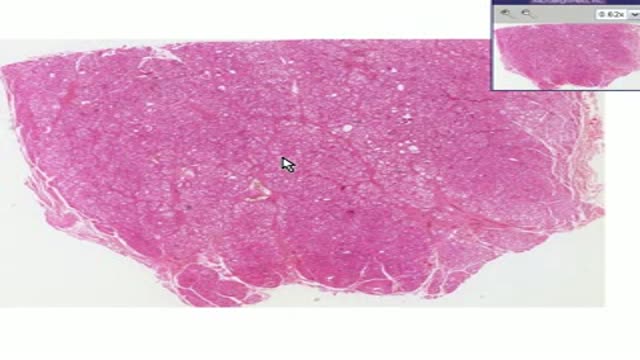 Histopathology of Graves Disease17,930 views
 Arterial Blood Gases (ABGs) Explained15,105 views
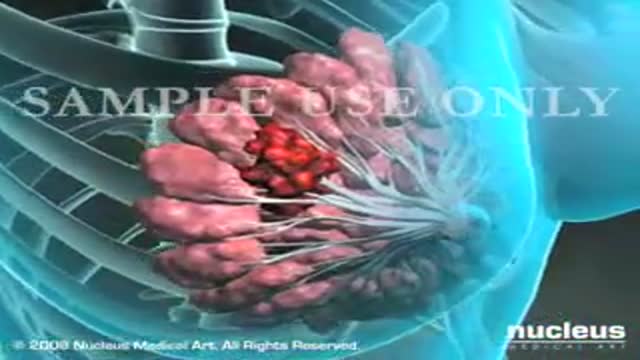 Pathology Breast Biopsy Techniques9,448 views
 Erythrocyte Sedimentation Rate5,621 views
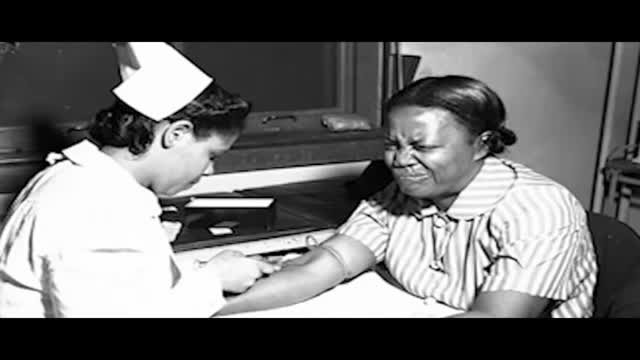 Hemoglobin Test4,458 views
 C-Reactive Protein2,453 views
Guide
What this family is
The family is organised by the kind of laboratory work. It opens with panels — pre-set bundles of common blood chemistry tests that are ordered together so often that they earned single codes of their own. Then come urinalysis, general chemistry (the long list of individual substances measured in blood, from glucose to hormones), blood counts and clotting studies, drug testing, immune-system testing, microbiology (growing and identifying germs), and finally surgical pathology — the examination of tissue, which is itself graded by how complex the specimen is, from a simple skin tag to a major cancer resection.
The codes in plain language
The laboratory codes patients meet most often:
| Code | In plain language |
|---|---|
| 80048 | A basic metabolic panel — a bundle of common blood chemistry tests, including glucose, calcium, and kidney markers. |
| 80053 | A comprehensive metabolic panel — a wider bundle of blood chemistry tests, including liver tests. |
| 80061 | A lipid panel — the cholesterol and triglyceride measurements, reported as one bundle. |
| 81001 | A full urinalysis — urine checked by dipstick and examined under the microscope. |
| 83036 | Haemoglobin A1c — the blood test reflecting average blood sugar over the past few months. |
| 84443 | A TSH test — measuring thyroid-stimulating hormone in the blood. |
| 85025 | A complete blood count with an automated breakdown of the different white cell types. |
| 85027 | A complete blood count without the white-cell breakdown. |
| 80305 | A presumptive drug screen read directly, such as a cup test read by eye. |
| 80307 | A presumptive drug screen run on an instrument analyser. |
| 88305 | Microscope examination of tissue such as a biopsy by a pathologist, at the most common level of complexity. |
How it shows up on a bill
On a bill, laboratory work appears as a set of lines, one per test or panel, from the laboratory that ran them — which may be a hospital lab or an outside reference lab rather than your doctor's office. A small separate line for the blood draw itself is common. Pathology lines, such as a biopsy examination, come from the pathologist or laboratory that examined the tissue, again separately from the clinician who took the sample.
Common questions
What is a panel, and why not bill each test separately?
A panel is a defined bundle: the laboratory runs the set of tests listed in the panel's description and reports the single panel code. Ordering the same tests one by one would use individual codes instead, so the panel exists to keep common combinations simple.
What is the difference between 85025 and 85027?
The with-differential version (85025) includes a breakdown of the white blood cells into their types — neutrophils, lymphocytes, and others. The plain version (85027) reports the counts without that breakdown. The difference matters because the breakdown often carries the diagnostic clue.
What is the difference between presumptive and definitive drug testing?
A presumptive test answers 'is something in this drug class probably present?' and is quick and broad. A definitive test identifies and measures the exact substance, usually with more advanced equipment, and is used to confirm a presumptive result or answer a specific question.
Why does a lab code appear even though my own doctor ordered the test?
The charge covers the laboratory's work — analysing the sample and producing the result — whoever performed it. The blood draw itself has its own small separate code, which is why a draw fee can appear next to the test codes.
More in Tests, Imaging & Lab
Related
Sources
- CPT® code 80053 lookup (AAPC Codify)
- CPT® codes overview (American Medical Association)
- Physician Fee Schedule (Centers for Medicare & Medicaid Services)
This guide is general information about how medical services are coded, not billing advice and not medical advice. Coding rules change every year and vary between insurers; for a question about your own bill, contact the billing office that sent it or your insurance company, and for coding work, use the current official code books. A panel code covers its defined list of tests; a test ordered on its own, outside the panel, is coded individually.
CPT® is a registered trademark of the American Medical Association (AMA). The descriptions on this page are plain-language summaries written by MedicalVideos.com in its own words; the official CPT® code descriptions are published by the AMA in the current CPT® code book.