
- Physical Examination
- Surgical Examination
- Ophthalmology
- Clinical Skills
- Orthopedics
- Surgery Videos
- Laparoscopy
- Pediatrics
- Funny Videos
- Cardiothoracic Surgery
- Nursing Videos
- Plastic Surgery
- Otorhinolaryngology
- Histology and Histopathology
- Neurosurgery
- Dermatology
- Pediatric Surgery
- Urology
- Dentistry
- Oncology and Cancers
- Anatomy Videos
- Health and Fitness
- Radiology
- Anaesthesia
- Physical Therapy
- Pharmacology
- Interventional Radiology
- Cardiology
- Endocrinology
- Gynecology
- Emergency Medicine
- Psychiatry and Psychology
- Childbirth Videos
- General Medical Videos
- Nephrology
- Physiology
- Diet and Food Health
- Diabetes Mellitus
- Neurology
- Women Health
- Osteoporosis
- Gastroenterology
- Pulmonology
- Hematology
- Rheumatology
- Toxicology
- Nuclear Medicine
- Infectious Diseases
- Vascular Disease
- Reproductive Health
- Burns and Wound Healing
- Kidney Zone Podcast
- Other
Radiology Codes (70010–79999)
Radiology codes are the CPT codes for imaging — X-rays, CT and MRI scans, ultrasounds, mammograms, and nuclear medicine studies. They fill the 70000 series of the code book, organised first by the type of imaging and then by the part of the body being examined.
✓ Medically reviewed by Dr. Mohamed Ibrahim, MD, PhD — physician-scientist · Last reviewed: November 2026
Watch: Radiology Codes (70010–79999) videos
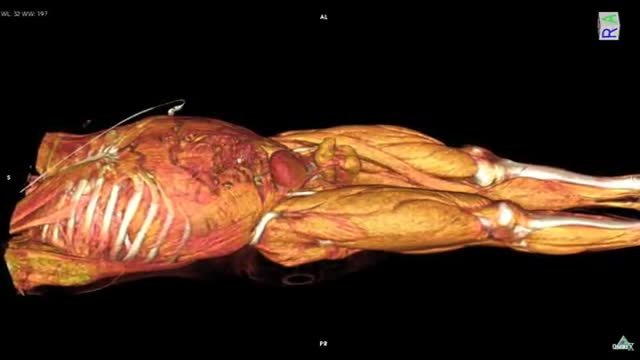 Whole Body CT scan with contrast media HD31,086 views
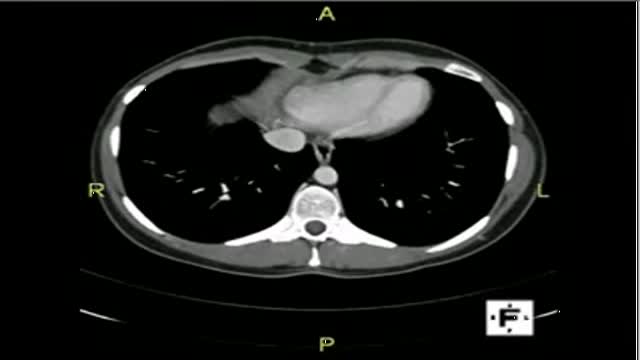 CT scan Abdomen26,633 views
 CT Scan -- Chest19,892 views
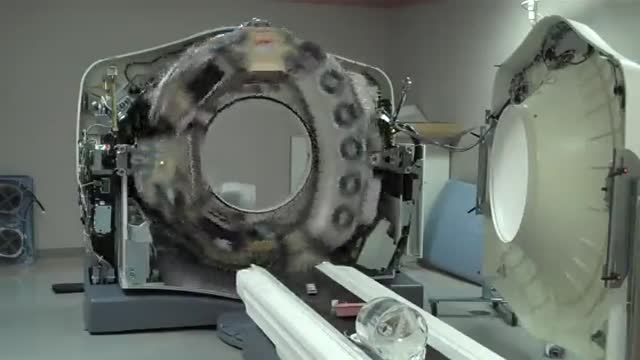 CT Scanner 64 slice Inside HD17,463 views
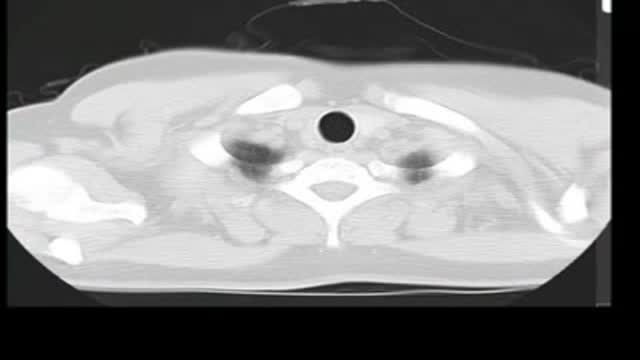 CT scan chest16,698 views
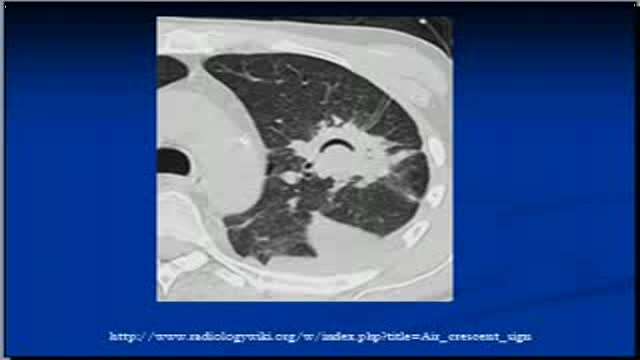 Chest x-ray -- CT Scan, air crescent sign15,375 views
Guide
What this family is
The family opens with plain X-ray examinations, then CT and MRI, ultrasound, imaging guidance for procedures, mammography, bone-density studies, radiation treatment planning, and nuclear medicine scans near the end. Within each technique, codes specify the body part and the details that change the work: how many views were taken, whether contrast dye was used, and whether the study was complete or limited. A scan is really two services — producing the images and interpreting them — and the code set reflects that: the full code covers both parts together, while modifiers 26 and TC split out the professional reading and the technical production when different organisations provide them. Two smaller families sit inside the section: guidance codes, used when imaging steers another procedure such as a biopsy or an injection, and the radiation oncology family, which describes planning and delivering radiation treatment for cancer rather than taking pictures. Nuclear medicine — scans that follow a small amount of radioactive tracer through the body — closes the section.
The codes in plain language
Common imaging codes in plain language:
| Code | In plain language |
|---|---|
| 71046 | Chest X-ray with two views — the standard chest examination. |
| 70450 | CT scan of the head or brain without contrast dye. |
| 74176 | CT scan of the abdomen and pelvis without contrast dye. |
| 70551 | MRI scan of the brain without contrast dye. |
| 73721 | MRI of a lower-leg joint such as the knee, without contrast dye. |
| 76700 | Complete ultrasound examination of the abdomen. |
| 77063 | The 3D (tomosynthesis) add-on taken with a screening mammogram. |
| 77067 | Screening mammogram of both breasts — the routine check when there are no symptoms. |
| 77080 | DEXA bone-density study of the spine, hip, or forearm. |
| 78815 | PET scan combined with CT for detailed localisation, covering the skull base to mid-thigh. |
How it shows up on a bill
On a bill, a scan appears as a line with its imaging code. If the scan was done at a hospital or imaging centre and read by a separate radiologist, you may see the same code twice — once with modifier TC for the centre that produced the images and once with modifier 26 for the doctor who read them. Contrast dye, when used, can appear as its own supply line.
Common questions
Why was my scan billed as two charges?
Imaging has two parts: the technical part — the machine, staff, and image production — and the professional part — the radiologist's interpretation. When different organisations provide them, each bills its part using modifiers TC and 26 on the same code.
What is the difference between screening and diagnostic mammogram codes?
Screening mammograms are the routine checks done when there are no symptoms, while diagnostic mammograms are more detailed studies done to investigate a lump or an unclear screening result. They have different codes because the work and time involved differ.
Why does contrast change the code?
Many CT and MRI codes come in three versions — without contrast, with contrast, and without followed by with. Contrast adds preparation, safety checks, and interpretation work, so the version used is part of the code itself rather than an add-on.
Where can I read what my scan actually shows?
Our Imaging Explained section walks through each common scan in plain language — what it shows, how to prepare, and what the report words mean. The radiology code on your bill tells you which scan to look up.
More in Tests, Imaging & Lab
Related
Sources
- CPT® code 71046 lookup (AAPC Codify)
- CPT® codes overview (American Medical Association)
- Physician Fee Schedule (Centers for Medicare & Medicaid Services)
This guide is general information about how medical services are coded, not billing advice and not medical advice. Coding rules change every year and vary between insurers; for a question about your own bill, contact the billing office that sent it or your insurance company, and for coding work, use the current official code books. The code on a bill identifies the scan performed; what the scan found is in the radiologist's report, not in the code.
CPT® is a registered trademark of the American Medical Association (AMA). The descriptions on this page are plain-language summaries written by MedicalVideos.com in its own words; the official CPT® code descriptions are published by the AMA in the current CPT® code book.