- Physical Examination
- Surgical Examination
- Ophthalmology
- Clinical Skills
- Orthopedics
- Surgery Videos
- Laparoscopy
- Pediatrics
- Funny Videos
- Cardiothoracic Surgery
- Nursing Videos
- Plastic Surgery
- Otorhinolaryngology
- Histology and Histopathology
- Neurosurgery
- Dermatology
- Pediatric Surgery
- Urology
- Dentistry
- Oncology and Cancers
- Anatomy Videos
- Health and Fitness
- Radiology
- Anaesthesia
- Physical Therapy
- Pharmacology
- Interventional Radiology
- Cardiology
- Endocrinology
- Gynecology
- Emergency Medicine
- Psychiatry and Psychology
- Childbirth Videos
- General Medical Videos
- Nephrology
- Physiology
- Diet and Food Health
- Diabetes Mellitus
- Neurology
- Women Health
- Osteoporosis
- Gastroenterology
- Pulmonology
- Hematology
- Rheumatology
- Toxicology
- Nuclear Medicine
- Infectious Diseases
- Vascular Disease
- Reproductive Health
- Burns and Wound Healing
- Kidney Zone Podcast
- Other
Seizures — First Aid
What to do
- Stay calm and time the seizure. Note when it starts — duration decides when it becomes an emergency.
- Protect the person from injury: move hard or sharp objects away, cushion the head with something soft, and loosen anything tight around the neck.
- Do not restrain them and do not put anything in their mouth — they cannot swallow their tongue, and objects in the mouth cause injury and choking.
- Call 911 if the seizure lasts longer than 5 minutes, repeats, is the person's first seizure, they are injured, pregnant, have diabetes, or do not return to their usual awareness afterwards.
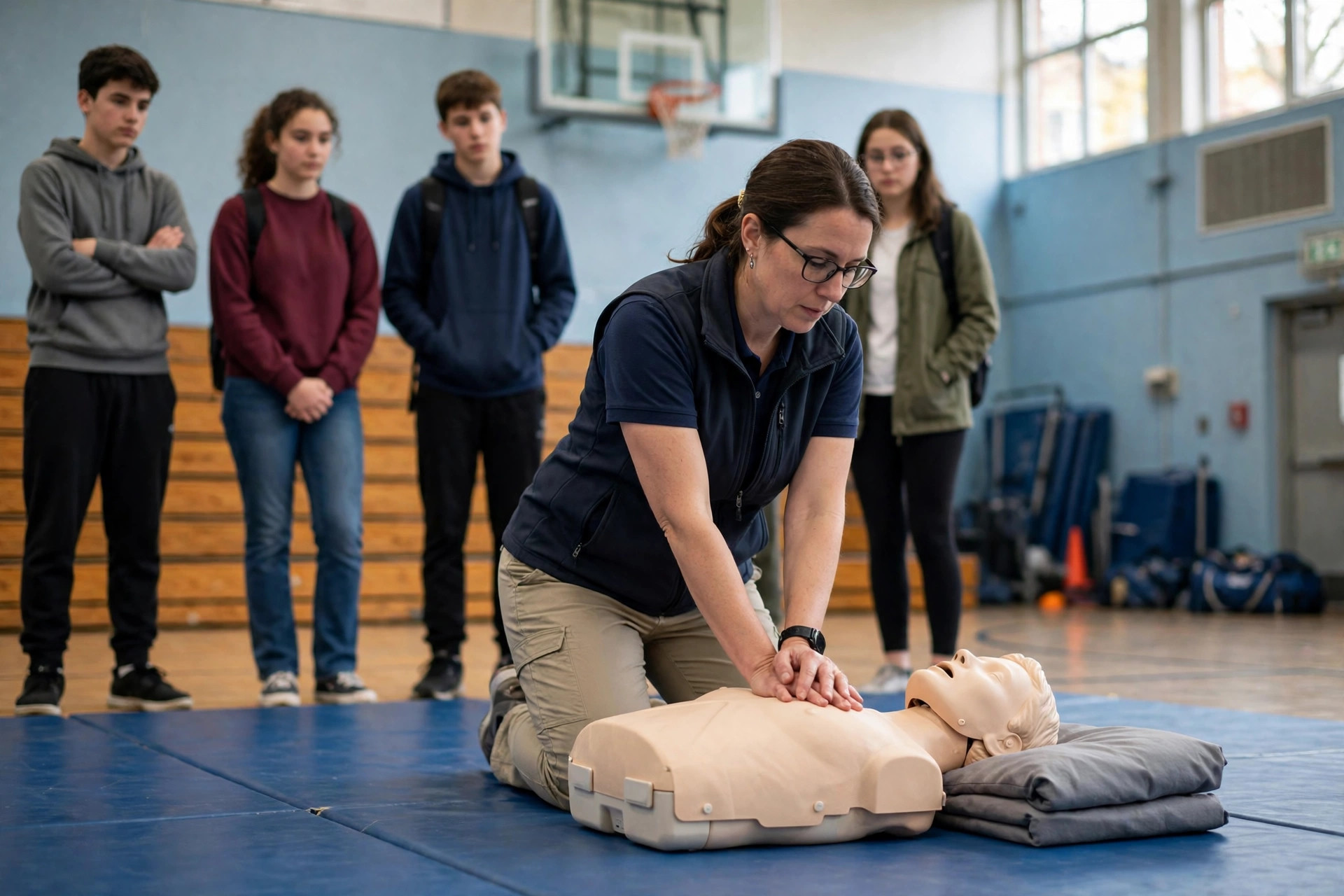
- When the convulsions stop, check breathing and place the person in the recovery position. They may be sleepy, confused or emotional for a while — stay with them, reassure them, and keep them warm.
- If the person has a prescribed rescue plan or medication for prolonged seizures and you are trained in their plan, follow it.
What NOT to do
- Do not put fingers, spoons, wallets or anything else in the mouth.
- Do not hold the person down or try to stop the movements.
- Do not give food, drink or medication by mouth until they are fully alert.
- Do not leave them alone until they have fully recovered their usual awareness.
When to get medical care
Call 911 if a seizure lasts over 5 minutes, seizures repeat without recovery between them, it is a first seizure, the person is injured during it, has diabetes or is pregnant, breathing does not return to normal afterwards, or the person does not regain their usual awareness within about 10 to 15 minutes. Anyone with a first seizure needs hospital assessment.
Related symptoms
Watch: related videos
Frequently asked questions
Can someone swallow their tongue during a seizure?
No — that is a myth. The real dangers are objects placed in the mouth (broken teeth, choking, bitten fingers for the helper) and blocked airways from position. Once jerking stops, the recovery position keeps the airway clear.
What should I tell the medical team afterwards?
How long the seizure lasted, what the movements looked like, whether it was a first seizure, any warning the person described, how long recovery took, and details of any known epilepsy plan or medication. A phone video (with consent) can help clinicians.
In an emergency, call 911 (or your local emergency number) first — do not delay a call to read a guide. These pages are educational first-aid information in general terms; they are not a substitute for emergency services, first-aid training, or assessment by a qualified clinician.