- Physical Examination
- Surgical Examination
- Ophthalmology
- Clinical Skills
- Orthopedics
- Surgery Videos
- Laparoscopy
- Pediatrics
- Funny Videos
- Cardiothoracic Surgery
- Nursing Videos
- Plastic Surgery
- Otorhinolaryngology
- Histology and Histopathology
- Neurosurgery
- Dermatology
- Pediatric Surgery
- Urology
- Dentistry
- Oncology and Cancers
- Anatomy Videos
- Health and Fitness
- Radiology
- Anaesthesia
- Physical Therapy
- Pharmacology
- Interventional Radiology
- Cardiology
- Endocrinology
- Gynecology
- Emergency Medicine
- Psychiatry and Psychology
- Childbirth Videos
- General Medical Videos
- Nephrology
- Physiology
- Diet and Food Health
- Diabetes Mellitus
- Neurology
- Women Health
- Osteoporosis
- Gastroenterology
- Pulmonology
- Hematology
- Rheumatology
- Toxicology
- Nuclear Medicine
- Infectious Diseases
- Vascular Disease
- Reproductive Health
- Burns and Wound Healing
- Kidney Zone Podcast
- Other
Snake Bites — First Aid
What to do
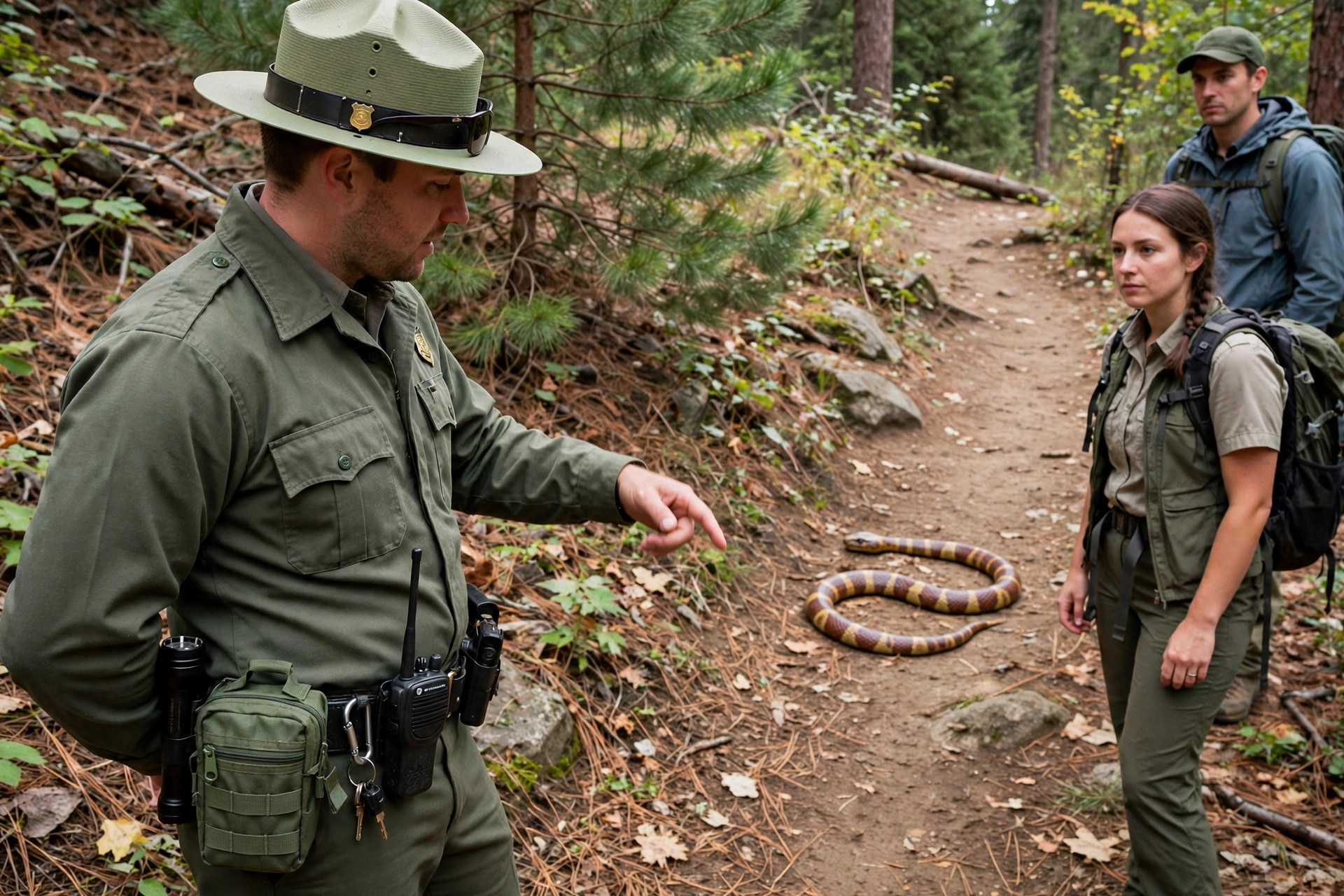
- Move the person (and yourself) away from the snake. Do not try to catch or kill it — a description or a photo taken from a safe distance is enough for identification.
- Call 911 immediately, or arrange the fastest possible transport to hospital. Antivenom and monitoring are hospital treatments — time matters.
- Keep the person still and calm, and keep the bitten limb as still as possible (splint it) and held roughly at heart level. Movement speeds venom spread.
- Remove rings, watches and tight clothing near the bite before swelling starts.
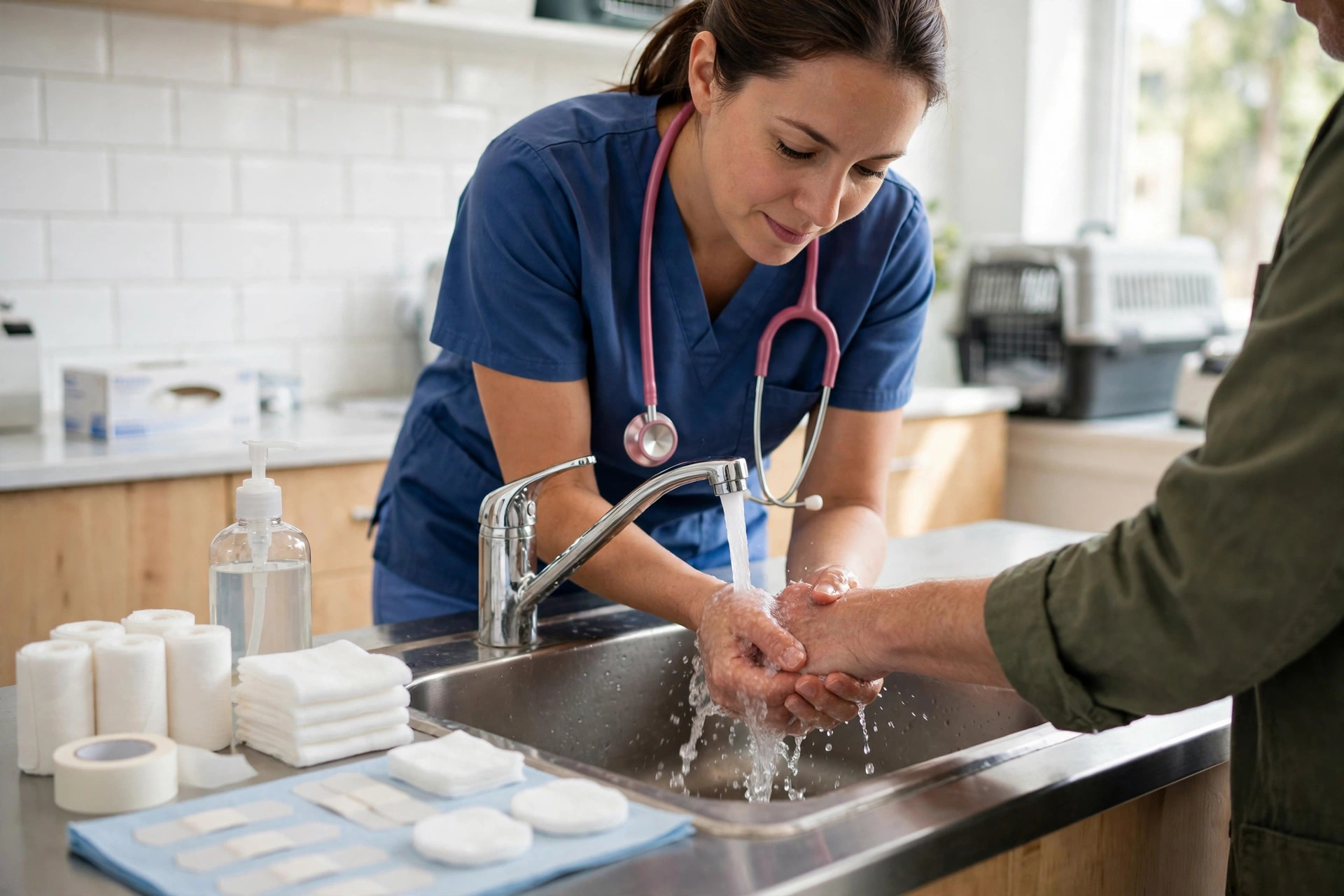
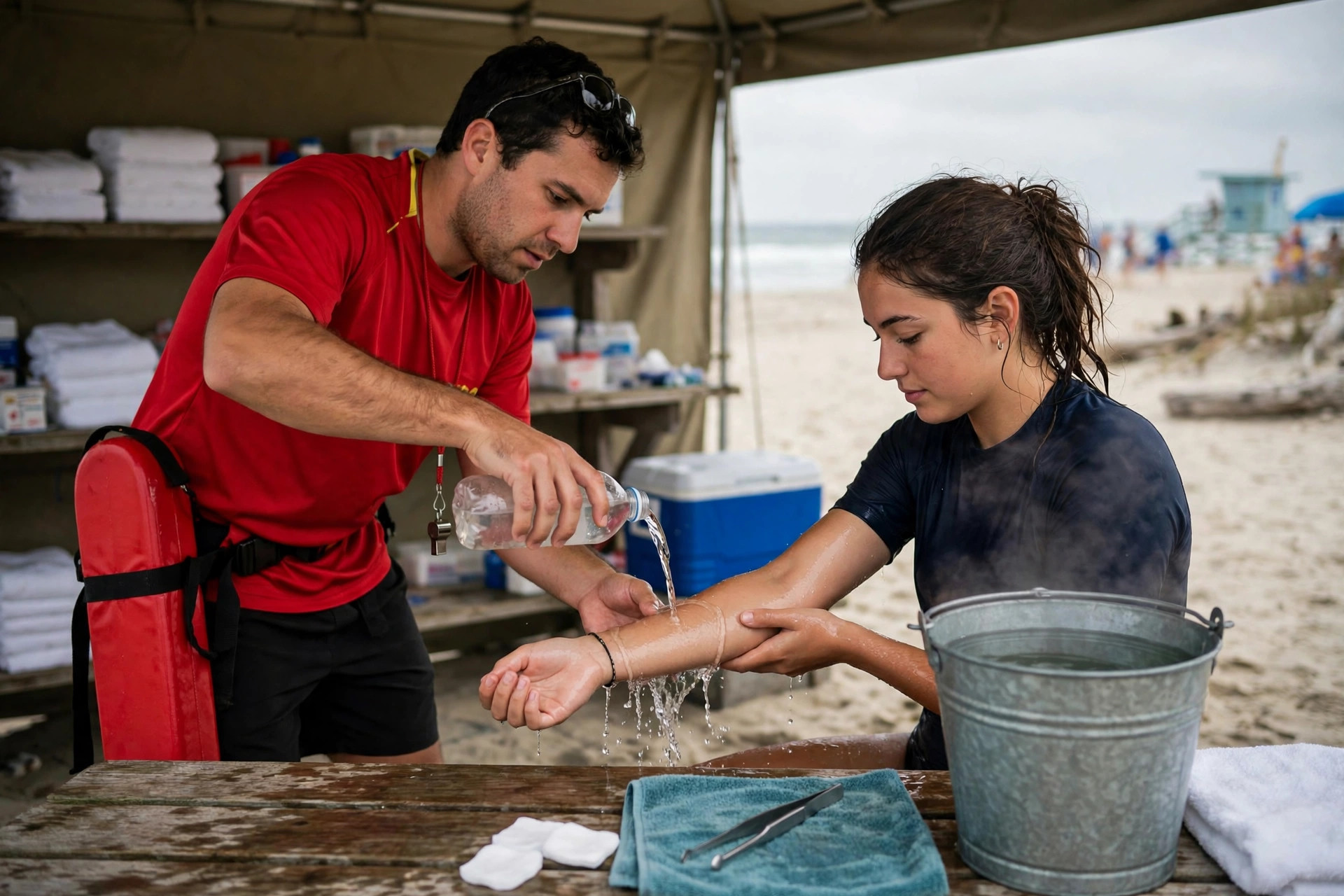
- Note the time of the bite and mark the edge of any swelling with a pen and the time, so clinicians can track progress. Gently wash the bite with water if available, and cover it loosely.
- Monitor the person for reaction signs (drooping eyelids, difficulty speaking, swallowing or breathing, vomiting, collapse) and be ready to start CPR. If you are in a region whose guidelines advise a firm pressure-immobilisation bandage (such as Australia), apply it as trained; elsewhere, keep the limb still and get to hospital fast.
What NOT to do
- Do not suck the wound, cut it, or apply a tight tourniquet — all cause harm without removing meaningful venom.
- Do not apply ice or electric shocks.
- Do not give alcohol or painkillers unless advised by medical staff.
- Do not waste time trying to identify or catch the snake at close range.
When to get medical care
Every suspected venomous snake bite is an emergency: call 911 at once, even if the person feels well, because symptoms can be delayed. Any bite from an unidentified snake in a region with venomous species should be treated the same way. Children and bites to the trunk, neck or head are especially urgent.
Related symptoms
Watch: related videos
Frequently asked questions
Why shouldn't you suck out snake venom?
Studies show suction removes a negligible amount of venom while damaging tissue and risking infection — and venom spreads via the lymph system, not a pocket at the bite site. Immobilising the limb and rapid transport to antivenom are what change outcomes.
How can I reduce the risk of snake bites?
Watch where you step and reach in snake country, wear boots and long trousers on trails, use a torch at night, never handle snakes (even dead ones can bite reflexively), and keep yards clear of long grass and debris piles.
In an emergency, call 911 (or your local emergency number) first — do not delay a call to read a guide. These pages are educational first-aid information in general terms; they are not a substitute for emergency services, first-aid training, or assessment by a qualified clinician.