- Physical Examination
- Surgical Examination
- Ophthalmology
- Clinical Skills
- Orthopedics
- Surgery Videos
- Laparoscopy
- Pediatrics
- Funny Videos
- Cardiothoracic Surgery
- Nursing Videos
- Plastic Surgery
- Otorhinolaryngology
- Histology and Histopathology
- Neurosurgery
- Dermatology
- Pediatric Surgery
- Urology
- Dentistry
- Oncology and Cancers
- Anatomy Videos
- Health and Fitness
- Radiology
- Anaesthesia
- Physical Therapy
- Pharmacology
- Interventional Radiology
- Cardiology
- Endocrinology
- Gynecology
- Emergency Medicine
- Psychiatry and Psychology
- Childbirth Videos
- General Medical Videos
- Nephrology
- Physiology
- Diet and Food Health
- Diabetes Mellitus
- Neurology
- Women Health
- Osteoporosis
- Gastroenterology
- Pulmonology
- Hematology
- Rheumatology
- Toxicology
- Nuclear Medicine
- Infectious Diseases
- Vascular Disease
- Reproductive Health
- Burns and Wound Healing
- Kidney Zone Podcast
- Other
Animal and Human Bites — First Aid

What to do
- Move to safety and make sure the animal is secured or away before treating the wound.
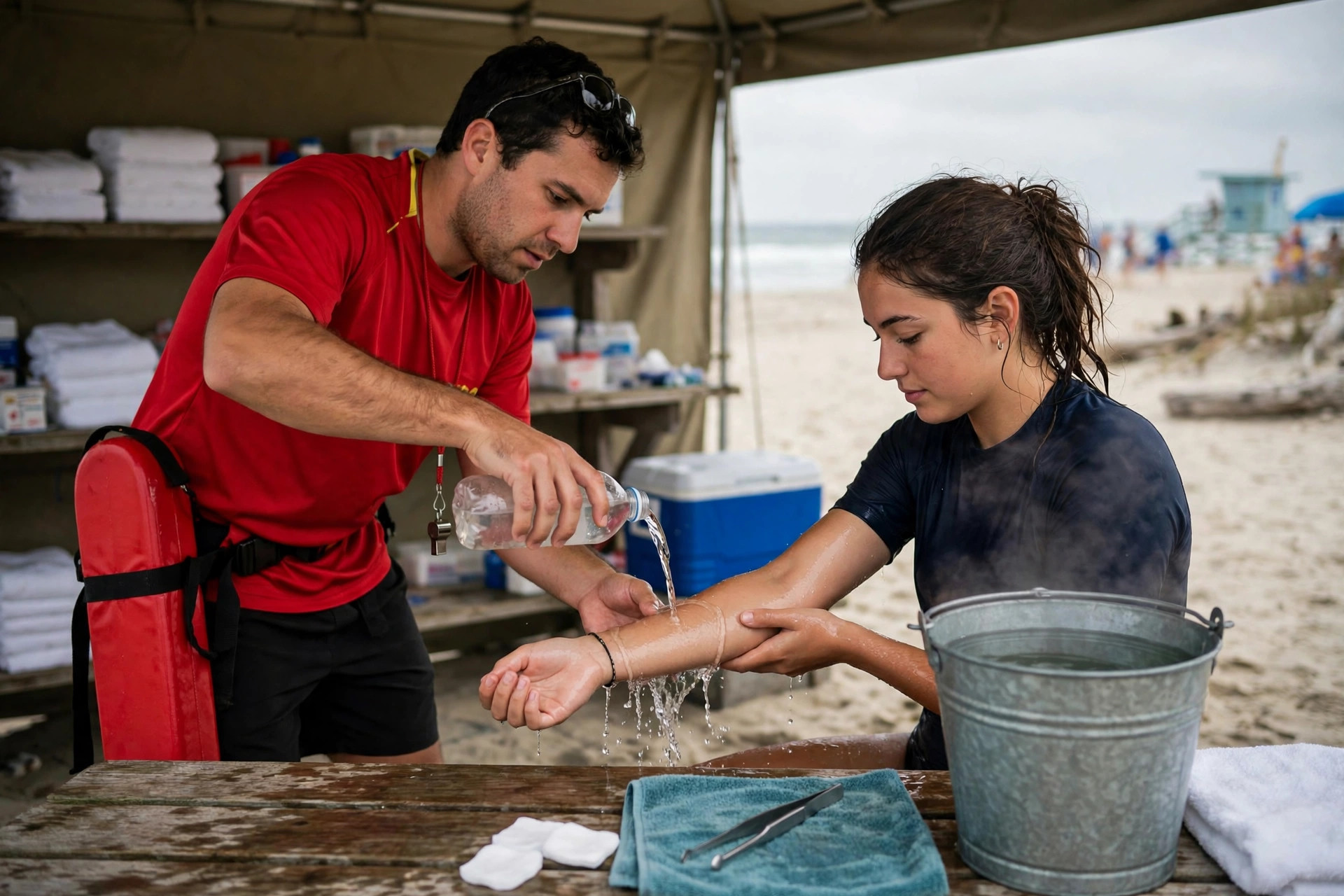
- Wash the bite thoroughly under running water with soap for several minutes — this is the most important first aid for infection and, where relevant, rabies prevention. Let the wound bleed a little while washing unless bleeding is severe.
- Control bleeding with direct pressure if needed, then cover with a sterile dressing.
- Arrange same-day medical assessment for almost all bites that break the skin — animal and human bites carry a high infection risk, and clinicians assess the need for antibiotics, tetanus cover and (depending on the animal and country) rabies treatment.
- Try to note details for the medical team: what animal, whether it was provoked, its vaccination status if known, and the owner's contact details for animal bites.
- Watch the wound closely over the following days for infection signs (spreading redness, swelling, pain, pus, fever) and seek help promptly if they appear.
What NOT to do
- Do not close a bite wound yourself with steri-strips or glue — bite wounds are usually left open or closed by clinicians after assessment.
- Do not dismiss cat bites or bites to the hand — deep punctures over joints and tendons become serious infections quickly.
- Do not delay washing the wound — thorough washing starts immediately.
- Do not approach or try to capture an animal that bit someone; report it to local animal control instead.
When to get medical care
Same-day care for any bite breaking the skin. Emergency care for bites to the face, neck, hands or genitals, deep punctures, bites from wild or unknown animals (rabies risk assessment is urgent), bites in people with weakened immunity or diabetes, heavy bleeding, or any bite with spreading infection signs. In countries with rabies, every mammal bite needs urgent professional assessment.
Related procedures & tests
Related symptoms
Watch: related videos
Frequently asked questions
Why are bites so prone to infection?
Teeth drive bacteria deep into tissue, and mouths — animal and human — carry heavy bacterial loads. Cat teeth create narrow, deep punctures that seal over quickly, trapping bacteria near joints and tendons, which is why hand bites are treated so seriously.
Do I need a rabies shot after a dog bite?
It depends on the country, the animal and whether its vaccination status can be verified. In rabies-endemic regions, post-exposure treatment is urgent and highly effective when started promptly; in rabies-free countries it is rarely needed for domestic animals. A clinician will assess your specific situation — do not wait for symptoms, as rabies is almost always fatal once they appear.
In an emergency, call 911 (or your local emergency number) first — do not delay a call to read a guide. These pages are educational first-aid information in general terms; they are not a substitute for emergency services, first-aid training, or assessment by a qualified clinician.