- Physical Examination
- Surgical Examination
- Ophthalmology
- Clinical Skills
- Orthopedics
- Surgery Videos
- Laparoscopy
- Pediatrics
- Funny Videos
- Cardiothoracic Surgery
- Nursing Videos
- Plastic Surgery
- Otorhinolaryngology
- Histology and Histopathology
- Neurosurgery
- Dermatology
- Pediatric Surgery
- Urology
- Dentistry
- Oncology and Cancers
- Anatomy Videos
- Health and Fitness
- Radiology
- Anaesthesia
- Physical Therapy
- Pharmacology
- Interventional Radiology
- Cardiology
- Endocrinology
- Gynecology
- Emergency Medicine
- Psychiatry and Psychology
- Childbirth Videos
- General Medical Videos
- Nephrology
- Physiology
- Diet and Food Health
- Diabetes Mellitus
- Neurology
- Women Health
- Osteoporosis
- Gastroenterology
- Pulmonology
- Hematology
- Rheumatology
- Toxicology
- Nuclear Medicine
- Infectious Diseases
- Vascular Disease
- Reproductive Health
- Burns and Wound Healing
- Kidney Zone Podcast
- Other
Carbon Monoxide Poisoning — First Aid
What to do
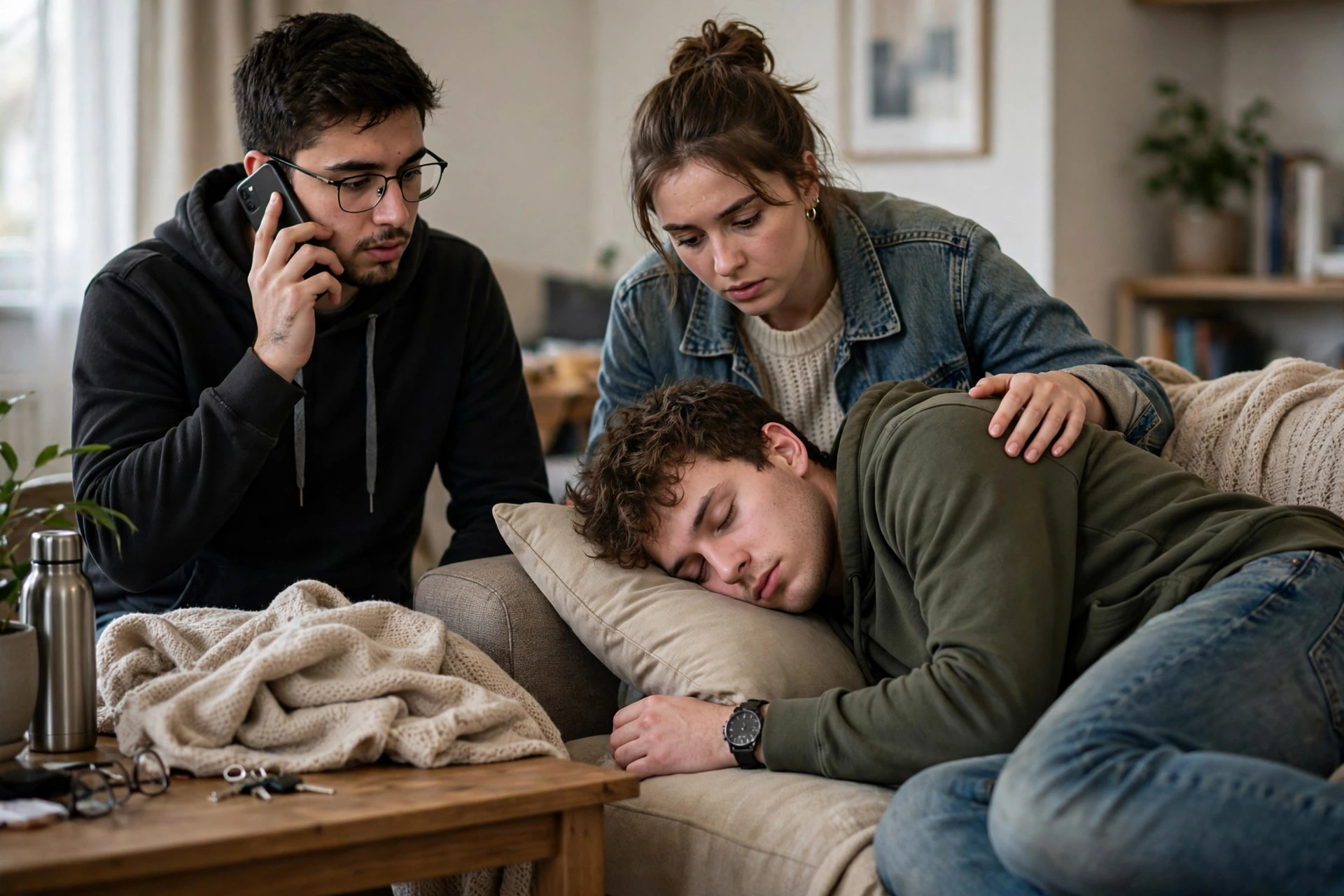
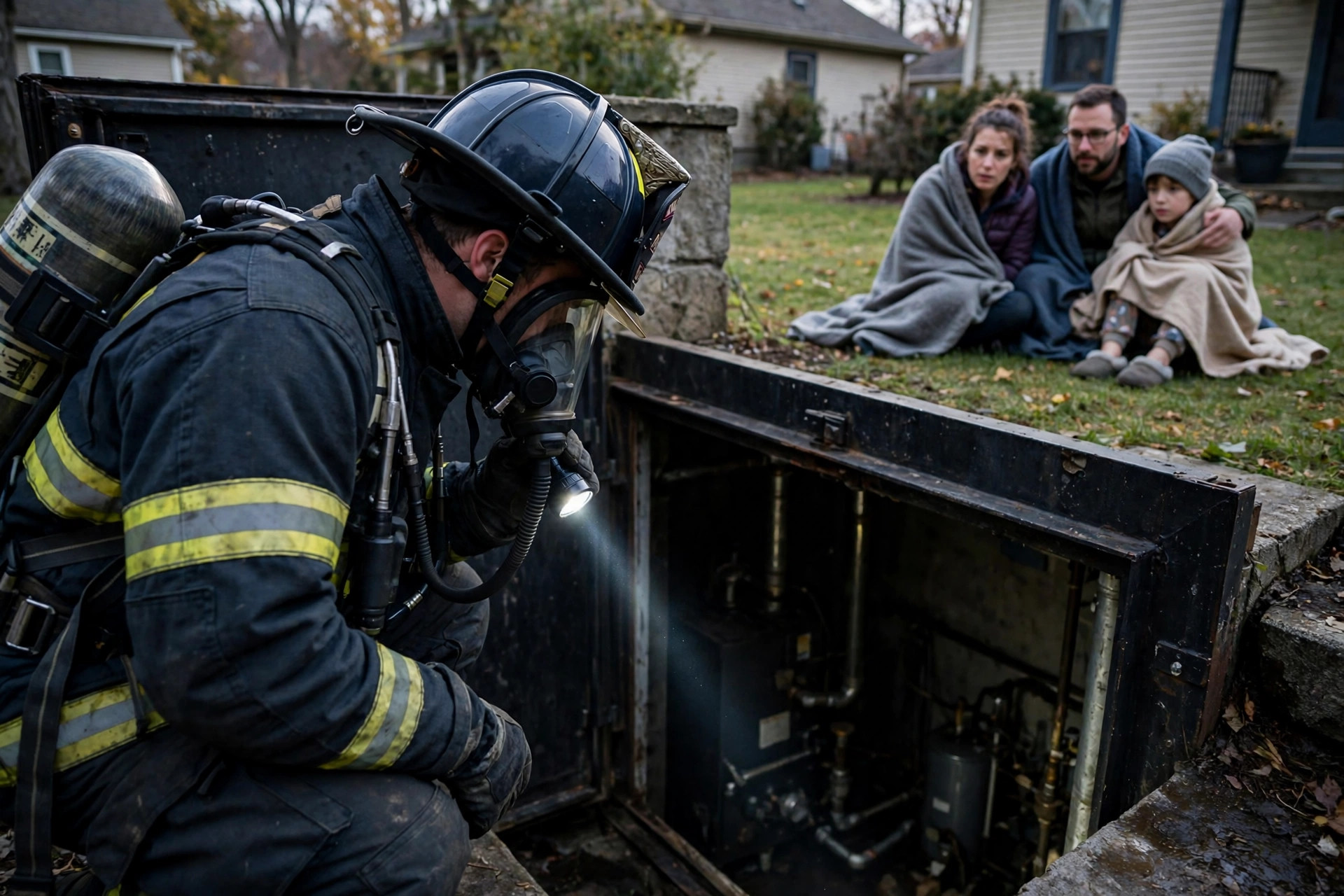
- Suspect carbon monoxide (CO) when several people in the same building develop headache, dizziness, nausea, confusion, chest pain or collapse — especially with a fuel-burning appliance, blocked flue, generator or vehicle running indoors. CO is colourless and odourless; you cannot detect it by smell.
- Get everyone (including pets) out into fresh air immediately. Do not re-enter the building.
- Call 911. Tell them carbon monoxide is suspected — the fire service can measure CO levels and make the building safe.
- If it can be done without going back inside or delaying escape, turn off the appliance and open doors and windows — but leaving is the priority.
- If someone is unconscious, check breathing: place them in the recovery position if breathing normally (outside, in fresh air), or start CPR if not breathing normally.
- Everyone exposed needs hospital assessment — blood CO levels guide treatment, and symptoms can relapse. Do not use the appliance again until it has been professionally checked.
What NOT to do
- Do not go back inside to collect belongings or investigate the source.
- Do not ignore 'flu-like' illness that affects everyone at home and improves away from the house — that pattern is classic for CO.
- Do not run generators, barbecues or fuel heaters indoors, in garages or near windows.
- Do not rely on your own sense of smell — CO has none.
When to get medical care
Call 911 for any suspected CO exposure with symptoms — headache, dizziness, nausea, confusion, chest pain, breathlessness, fainting or collapse — and for anyone found unconscious in a suspect environment. Pregnant women, children, older people and those with heart or lung disease are at higher risk and should be assessed even with mild symptoms.
Related procedures & tests
Related symptoms
Frequently asked questions
How is carbon monoxide poisoning treated?
With high-flow oxygen, which speeds the removal of CO from the blood; severe cases may be treated in a hyperbaric (pressurised oxygen) chamber. Hospital blood tests confirm exposure — which is why assessment matters even if symptoms fade in fresh air.
How can I prevent carbon monoxide poisoning at home?
Fit audible CO alarms near fuel-burning appliances and bedrooms, have boilers, fires and flues serviced annually by qualified engineers, keep vents unblocked, and never use generators or barbecues indoors or in attached garages.
In an emergency, call 911 (or your local emergency number) first — do not delay a call to read a guide. These pages are educational first-aid information in general terms; they are not a substitute for emergency services, first-aid training, or assessment by a qualified clinician.