- Physical Examination
- Surgical Examination
- Ophthalmology
- Clinical Skills
- Orthopedics
- Surgery Videos
- Laparoscopy
- Pediatrics
- Funny Videos
- Cardiothoracic Surgery
- Nursing Videos
- Plastic Surgery
- Otorhinolaryngology
- Histology and Histopathology
- Neurosurgery
- Dermatology
- Pediatric Surgery
- Urology
- Dentistry
- Oncology and Cancers
- Anatomy Videos
- Health and Fitness
- Radiology
- Anaesthesia
- Physical Therapy
- Pharmacology
- Interventional Radiology
- Cardiology
- Endocrinology
- Gynecology
- Emergency Medicine
- Psychiatry and Psychology
- Childbirth Videos
- General Medical Videos
- Nephrology
- Physiology
- Diet and Food Health
- Diabetes Mellitus
- Neurology
- Women Health
- Osteoporosis
- Gastroenterology
- Pulmonology
- Hematology
- Rheumatology
- Toxicology
- Nuclear Medicine
- Infectious Diseases
- Vascular Disease
- Reproductive Health
- Burns and Wound Healing
- Kidney Zone Podcast
- Other
Spider Bites — First Aid
What to do
- Wash the bite with soap and water.
- Apply a wrapped cold pack for short periods to reduce pain and swelling, and keep the bitten part raised if practical.
- Simple pain relief can be taken as directed on the packet. Watch the area over the next days for spreading redness, increasing pain or ulceration.
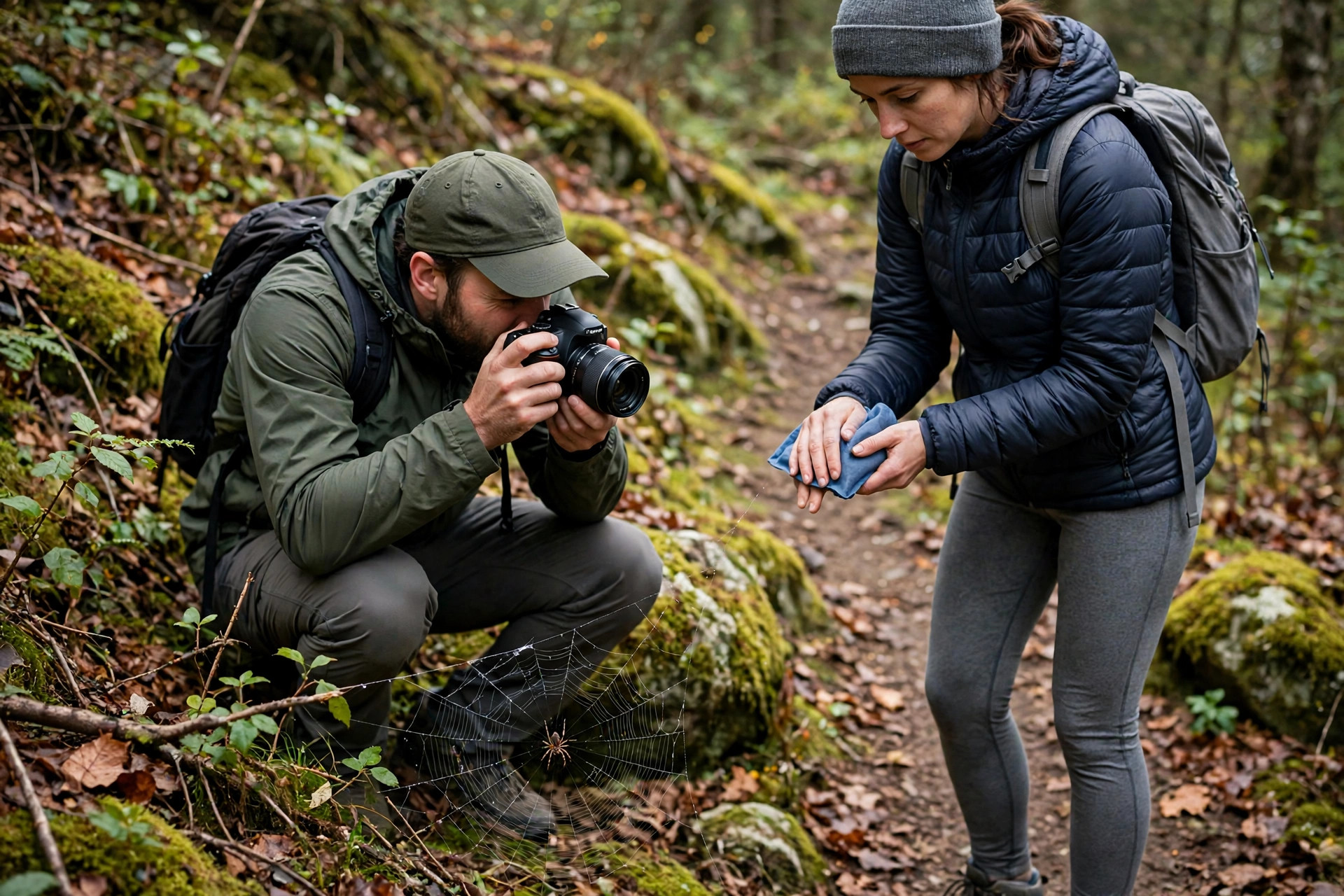
- If you can do so safely, note what the spider looked like or take a photo from a distance — do not try to catch it.
- Call 911 or seek urgent care in regions with dangerous spiders (such as funnel-web or redback in Australia, or black widow and recluse spiders in the Americas) if there are systemic symptoms: spreading pain, muscle stiffness, nausea, sweating, abdominal pain, or in any child with a suspected funnel-web bite (treat like snake bite: pressure-immobilisation and 911, per Australian guidance).
- Most spider bites worldwide are no worse than a bee sting and settle with simple care over a few days.
What NOT to do
- Do not apply a tourniquet for most spider bites (the exception is suspected funnel-web bite under Australian guidance).
- Do not cut or suck the bite.
- Do not assume every unexplained skin sore is a spider bite — many 'spider bites' seen in clinics are actually skin infections that need antibiotics.
- Do not handle or try to capture the spider.
When to get medical care
Urgent care for bites with spreading or severe pain, muscle rigidity, abdominal pain, vomiting, sweating, dizziness or breathing difficulty; bites that develop an expanding ulcer or signs of infection; and any suspected dangerous-species bite in a child. If in doubt in a region with venomous spiders, phone poison control or emergency services for advice.
Related symptoms
Watch: related videos
Frequently asked questions
Are most spider bites dangerous?
No. The great majority of spiders cannot significantly harm humans, and most bites cause only local itching or soreness. A small number of species worldwide are medically important, which is why regional advice and symptom-watching matter.
Why do doctors doubt some 'spider bite' diagnoses?
Bacterial skin infections, especially MRSA abscesses, are frequently blamed on spiders that were never seen. A painful, enlarging, pus-filled lesion is more likely an infection needing antibiotics than a bite, and should be assessed on that basis.
In an emergency, call 911 (or your local emergency number) first — do not delay a call to read a guide. These pages are educational first-aid information in general terms; they are not a substitute for emergency services, first-aid training, or assessment by a qualified clinician.