- Physical Examination
- Surgical Examination
- Ophthalmology
- Clinical Skills
- Orthopedics
- Surgery Videos
- Laparoscopy
- Pediatrics
- Funny Videos
- Cardiothoracic Surgery
- Nursing Videos
- Plastic Surgery
- Otorhinolaryngology
- Histology and Histopathology
- Neurosurgery
- Dermatology
- Pediatric Surgery
- Urology
- Dentistry
- Oncology and Cancers
- Anatomy Videos
- Health and Fitness
- Radiology
- Anaesthesia
- Physical Therapy
- Pharmacology
- Interventional Radiology
- Cardiology
- Endocrinology
- Gynecology
- Emergency Medicine
- Psychiatry and Psychology
- Childbirth Videos
- General Medical Videos
- Nephrology
- Physiology
- Diet and Food Health
- Diabetes Mellitus
- Neurology
- Women Health
- Osteoporosis
- Gastroenterology
- Pulmonology
- Hematology
- Rheumatology
- Toxicology
- Nuclear Medicine
- Infectious Diseases
- Vascular Disease
- Reproductive Health
- Burns and Wound Healing
- Kidney Zone Podcast
- Other
Swallowed Chemicals or Medicines — First Aid
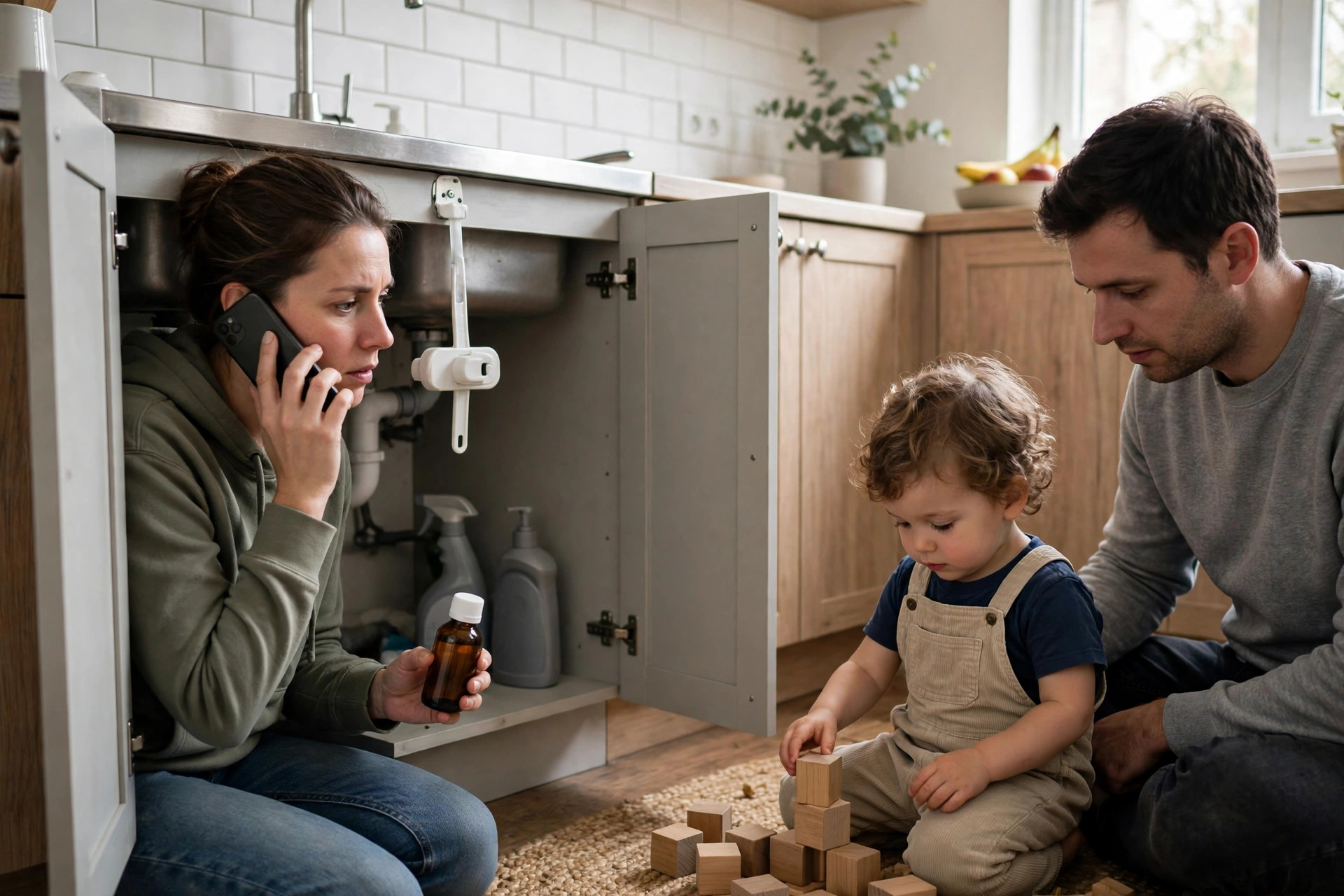
What to do
- Stay calm and remove any remaining substance from the person's mouth if you can do so safely. Keep the container — you will need its exact name.
- Call your poison control centre immediately — in the US, Poison Control is 1-800-222-1222, available 24 hours — or call 911 if the person is unwell, drowsy, having breathing difficulty, fitting, or has swallowed something corrosive (bleach, drain cleaner, oven cleaner) or a button battery.
- Do not make the person vomit. Do not give anything to eat or drink — including milk or water — unless poison control advises it.
- If the substance is corrosive and the person is fully conscious and able to swallow, poison control may advise small sips of water or milk — follow their instructions exactly rather than general advice.
- For a swallowed button battery or magnets, go to emergency care immediately even if the person seems fine — batteries cause severe internal burns within hours and need urgent X-ray assessment.
- Watch the person continuously while waiting: if they become drowsy or unconscious, place them in the recovery position if breathing (poisoning can cause vomiting — on their side protects the airway) and call 911 if you have not already.
What NOT to do
- Do not induce vomiting with fingers, salt water or syrup of ipecac.
- Do not wait to 'see if symptoms develop' before calling — early advice is free and changes management.
- Do not give activated charcoal unless directed by medical professionals.
- Do not assume a child-proof cap means the contents are safe in any quantity.
When to get medical care
Poison control (US: 1-800-222-1222) for every accidental swallow of medicine, cleaning products, chemicals, plants or unknown substances — even with no symptoms. Emergency care (911) at once for corrosive substances, button batteries, magnets, dishwasher or laundry capsules in young children with symptoms, deliberate overdose, or any person who is drowsy, vomiting repeatedly, in pain, or having breathing problems.
Related symptoms
Frequently asked questions
Why do I need to call if my child seems completely fine?
Many medicines and chemicals cause delayed harm — paracetamol/acetaminophen, for example, can damage the liver over days while the person feels well initially. Poison control calculates the dose from the child's weight and the product, and tells you whether home observation is safe or hospital tests are needed.
What details should I have ready when I call?
The product's exact name and strength, how much is missing, when it was swallowed, the person's age and weight, any symptoms, and regular medicines or conditions. The container in your hand answers most of these instantly.
In an emergency, call 911 (or your local emergency number) first — do not delay a call to read a guide. These pages are educational first-aid information in general terms; they are not a substitute for emergency services, first-aid training, or assessment by a qualified clinician.