
- Physical Examination
- Surgical Examination
- Ophthalmology
- Clinical Skills
- Orthopedics
- Surgery Videos
- Laparoscopy
- Pediatrics
- Funny Videos
- Cardiothoracic Surgery
- Nursing Videos
- Plastic Surgery
- Otorhinolaryngology
- Histology and Histopathology
- Neurosurgery
- Dermatology
- Pediatric Surgery
- Urology
- Dentistry
- Oncology and Cancers
- Anatomy Videos
- Health and Fitness
- Radiology
- Anaesthesia
- Physical Therapy
- Pharmacology
- Interventional Radiology
- Cardiology
- Endocrinology
- Gynecology
- Emergency Medicine
- Psychiatry and Psychology
- Childbirth Videos
- General Medical Videos
- Nephrology
- Physiology
- Diet and Food Health
- Diabetes Mellitus
- Neurology
- Women Health
- Osteoporosis
- Gastroenterology
- Pulmonology
- Hematology
- Rheumatology
- Toxicology
- Nuclear Medicine
- Infectious Diseases
- Vascular Disease
- Reproductive Health
- Burns and Wound Healing
- Kidney Zone Podcast
- Other
Allergy testing (skin prick / specific IgE)
Category: Biopsies, Lab & Pathology Tests · All biopsies, lab & pathology tests
What it is
Allergy tests look for IgE-mediated (immediate) allergy. Skin prick testing places drops of allergen extracts on the skin and pricks through them; a wheal after 15 minutes indicates sensitisation. Blood tests measure specific IgE to individual allergens. Both must match your history to mean true allergy.
Why it is done
They assess suspected food allergy, hay fever triggers, asthma allergens (dust mite, pets, pollens), venom allergy after stings, and drug allergy in specialist settings.
How to prepare
Antihistamines must be stopped for several days before skin prick testing (your letter specifies), as they suppress reactions. Tell the team about eczema (which can limit skin sites), asthma control and previous severe reactions. Blood IgE tests need no antihistamine break.
What happens during the procedure
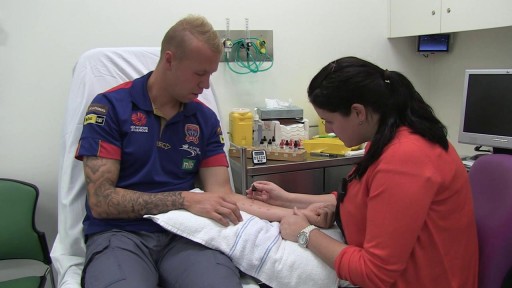
In clinic, numbered drops are placed on the forearm (or back in children), each pricked with a tiny lancet — uncomfortable rather than painful — with positive (histamine) and negative controls. Wheals are measured after about 15 minutes. Blood testing is a standard blood draw.
Afterwards — recovery & results
You can go home straight away; itch at positive sites settles within hours (an antihistamine can then be taken). Results are interpreted in the same appointment against your history — sensitisation without symptoms is not allergy, and management (avoidance, medicines, immunotherapy, adrenaline auto-injectors) is planned accordingly.
Risks & considerations
Skin testing is very safe in specialist settings; mild local itching is expected. Severe reactions are extremely rare; clinics are equipped for them. Blood tests carry no allergy risk at all.
Watch: Allergy testing (skin prick / specific IgE) videos
Real procedure videos from the MedicalVideos.com library. Some clinical footage is graphic — that is the nature of a medical video library.
Related guides on MedicalVideos.com
Frequently asked questions
My child tested positive but eats the food fine — allergic or not?
Not clinically allergic — the test shows sensitisation only. Removing tolerated foods unnecessarily can cause harm, including loss of tolerance; your allergy team will advise.
Can tests predict how severe a reaction would be?
No test reliably predicts severity. History of previous reactions, asthma control and other factors guide the risk plan.
Related procedures — Biopsies, Lab & Pathology Tests
Browse the A section of the A–Z list or return to the Procedures & Tests hub.