
- Physical Examination
- Surgical Examination
- Ophthalmology
- Clinical Skills
- Orthopedics
- Surgery Videos
- Laparoscopy
- Pediatrics
- Funny Videos
- Cardiothoracic Surgery
- Nursing Videos
- Plastic Surgery
- Otorhinolaryngology
- Histology and Histopathology
- Neurosurgery
- Dermatology
- Pediatric Surgery
- Urology
- Dentistry
- Oncology and Cancers
- Anatomy Videos
- Health and Fitness
- Radiology
- Anaesthesia
- Physical Therapy
- Pharmacology
- Interventional Radiology
- Cardiology
- Endocrinology
- Gynecology
- Emergency Medicine
- Psychiatry and Psychology
- Childbirth Videos
- General Medical Videos
- Nephrology
- Physiology
- Diet and Food Health
- Diabetes Mellitus
- Neurology
- Women Health
- Osteoporosis
- Gastroenterology
- Pulmonology
- Hematology
- Rheumatology
- Toxicology
- Nuclear Medicine
- Infectious Diseases
- Vascular Disease
- Reproductive Health
- Burns and Wound Healing
- Kidney Zone Podcast
- Other
Coagulation and thrombophilia tests
Category: Biopsies, Lab & Pathology Tests · All biopsies, lab & pathology tests
What it is
Coagulation tests measure how blood clots: routine tests (PT/INR, APTT) guide warfarin treatment and pre-operative assessment; platelet function and von Willebrand tests investigate bleeding; thrombophilia tests look for inherited or acquired clotting tendencies after blood clots.
Why it is done
They are used to monitor anticoagulants, investigate unusual bruising/bleeding or clotting, assess before surgery, and explore causes of miscarriage in selected situations and of clots at young ages or unusual sites.
How to prepare
Timing matters: some tests are invalid while taking anticoagulants or during an acute clot or pregnancy — your haematology team will schedule them correctly. Provide a full medicine list and family history of bleeding or clotting.
What happens during the procedure
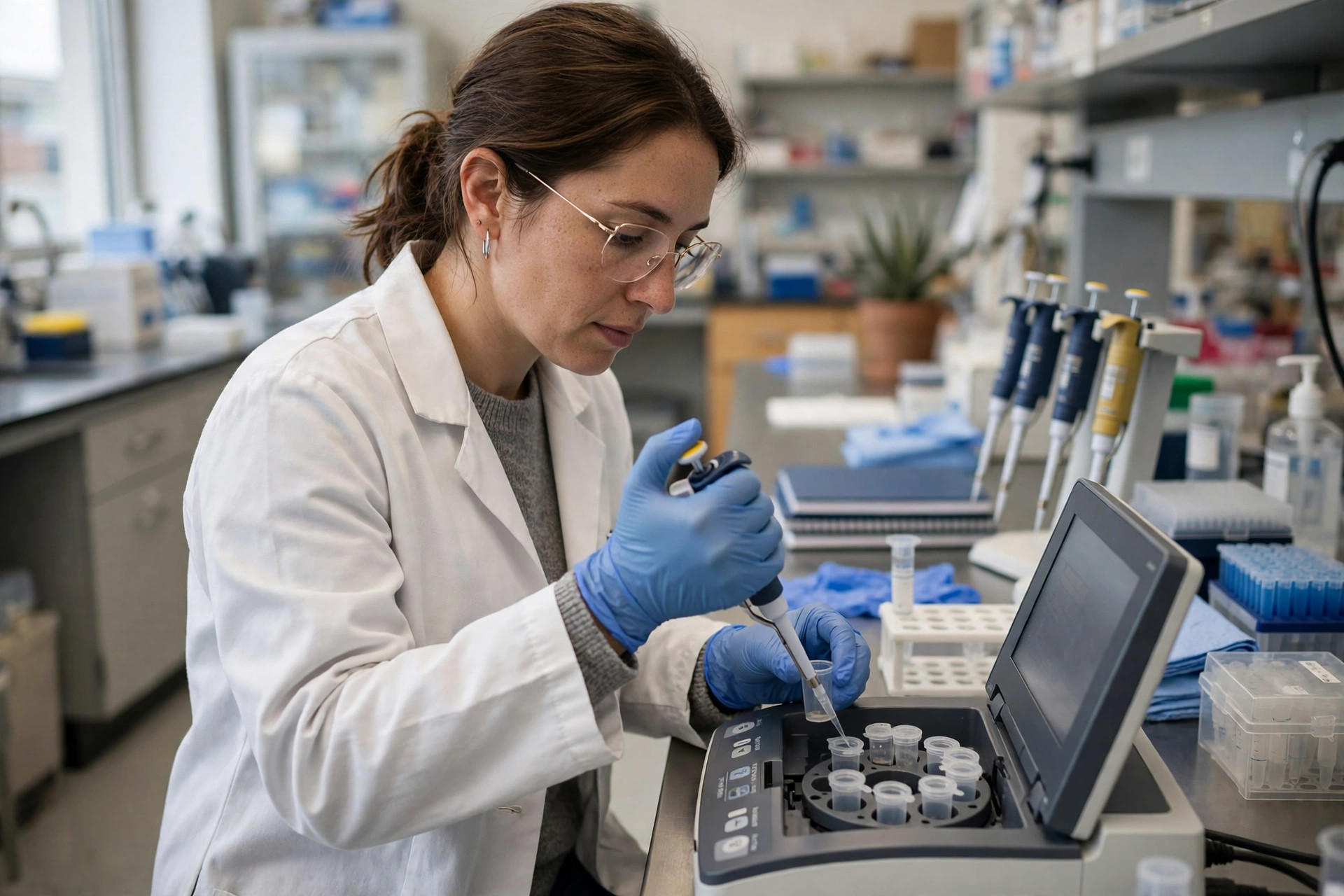
Sampling is a standard blood draw into citrate tubes that must be filled exactly to the line (the blood-to-anticoagulant ratio matters). Some specialised tests need the sample processed quickly, which the laboratory arranges.
Afterwards — recovery & results
Results range from same-day (INR) to weeks (thrombophilia panels). They are interpreted by haematology with your history, because many results are borderline or affected by circumstances — a 'positive' thrombophilia result does not always change management.
Risks & considerations
No physical risks beyond the draw. The main caution is over-testing: thrombophilia screening is deliberately selective, as results can cause anxiety without improving outcomes for many people.
Related guides on MedicalVideos.com
Frequently asked questions
Why test my INR so often on warfarin?
Warfarin levels shift with diet, illness and other medicines. Regular INR keeps you in the range where clots are prevented without excessive bleeding risk.
Should everyone with a clot get thrombophilia testing?
No — testing is targeted where results would change decisions (for example very young patients, strong family history, or clots in unusual places). Your haematologist advises case by case.
Related procedures — Biopsies, Lab & Pathology Tests
Browse the C section of the A–Z list or return to the Procedures & Tests hub.