
- Physical Examination
- Surgical Examination
- Ophthalmology
- Clinical Skills
- Orthopedics
- Surgery Videos
- Laparoscopy
- Pediatrics
- Funny Videos
- Cardiothoracic Surgery
- Nursing Videos
- Plastic Surgery
- Otorhinolaryngology
- Histology and Histopathology
- Neurosurgery
- Dermatology
- Pediatric Surgery
- Urology
- Dentistry
- Oncology and Cancers
- Anatomy Videos
- Health and Fitness
- Radiology
- Anaesthesia
- Physical Therapy
- Pharmacology
- Interventional Radiology
- Cardiology
- Endocrinology
- Gynecology
- Emergency Medicine
- Psychiatry and Psychology
- Childbirth Videos
- General Medical Videos
- Nephrology
- Physiology
- Diet and Food Health
- Diabetes Mellitus
- Neurology
- Women Health
- Osteoporosis
- Gastroenterology
- Pulmonology
- Hematology
- Rheumatology
- Toxicology
- Nuclear Medicine
- Infectious Diseases
- Vascular Disease
- Reproductive Health
- Burns and Wound Healing
- Kidney Zone Podcast
- Other
Biopsies, Lab & Pathology Tests
Biopsies, laboratory and pathology tests: needle and surgical biopsies of skin, breast, liver, bone marrow, lymph nodes and prostate; blood, urine, stool and sputum testing; genetic and allergy testing; and how pathology laboratories turn samples into reports.
This page lists all 25 of them in the guide. Open any procedure for preparation, step-by-step what happens, recovery advice and frequently asked questions.
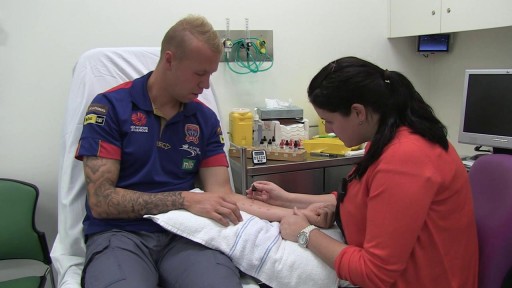 Allergy testing (skin prick / specific IgE)Biopsies & Lab Tests
 Arterial blood gas (ABG) testBiopsies & Lab Tests
 Blood tests (venepuncture) — what to expectBiopsies & Lab Tests
 Bone marrow biopsyBiopsies & Lab Tests
 Breast core biopsyBiopsies & Lab Tests
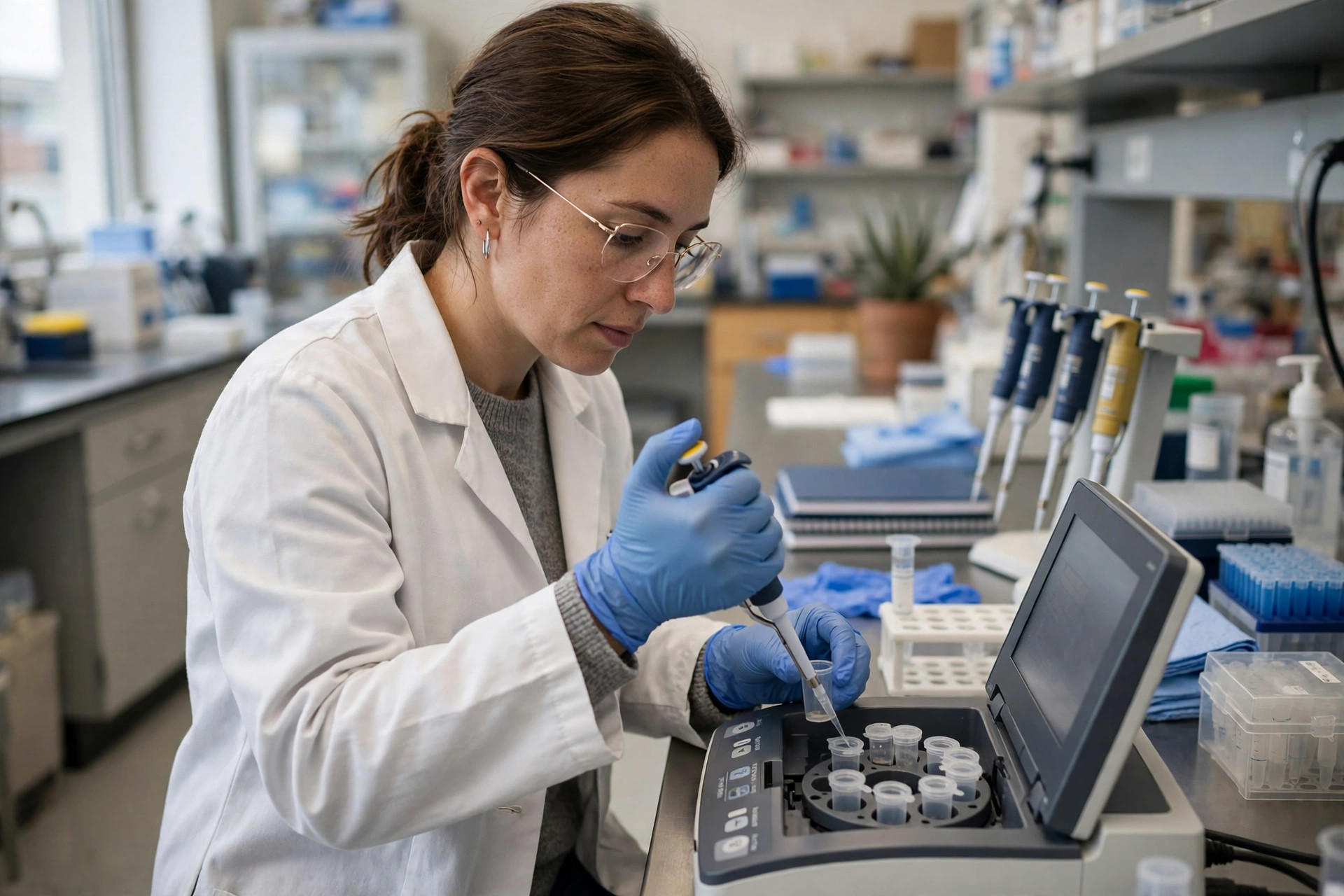 Coagulation and thrombophilia testsBiopsies & Lab Tests
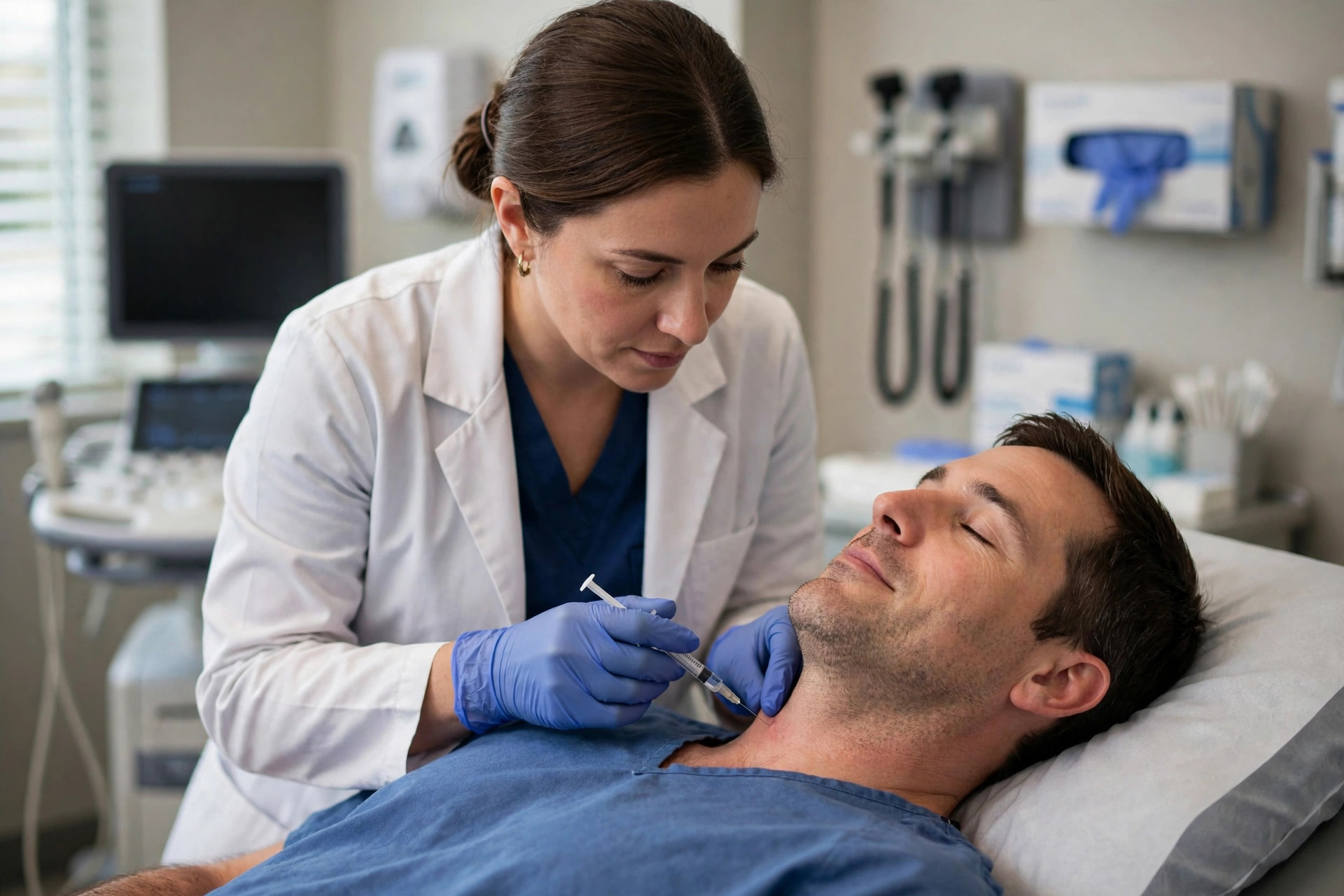 Fine needle aspiration (FNA) cytologyBiopsies & Lab Tests
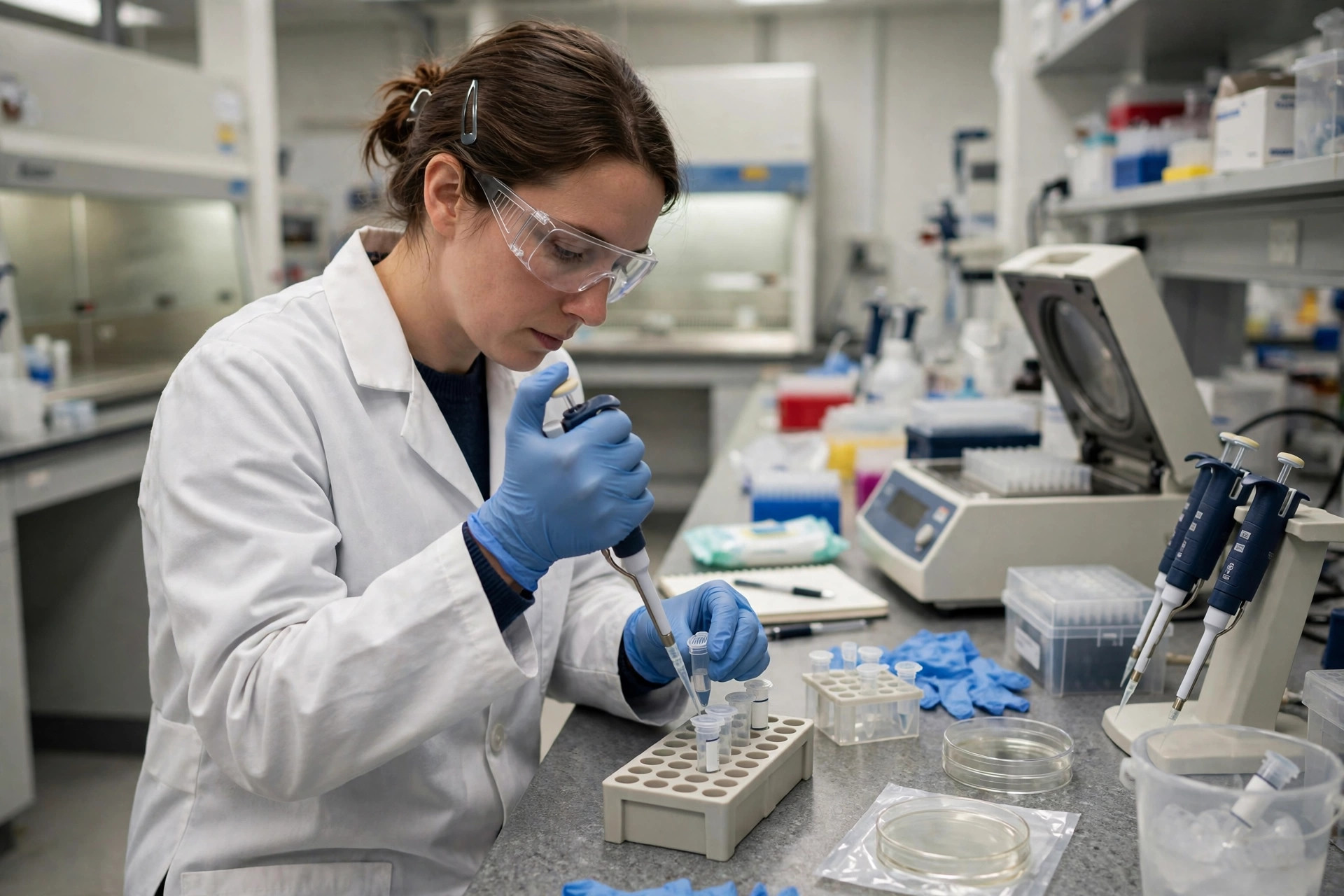 Genetic testing (diagnostic)Biopsies & Lab Tests
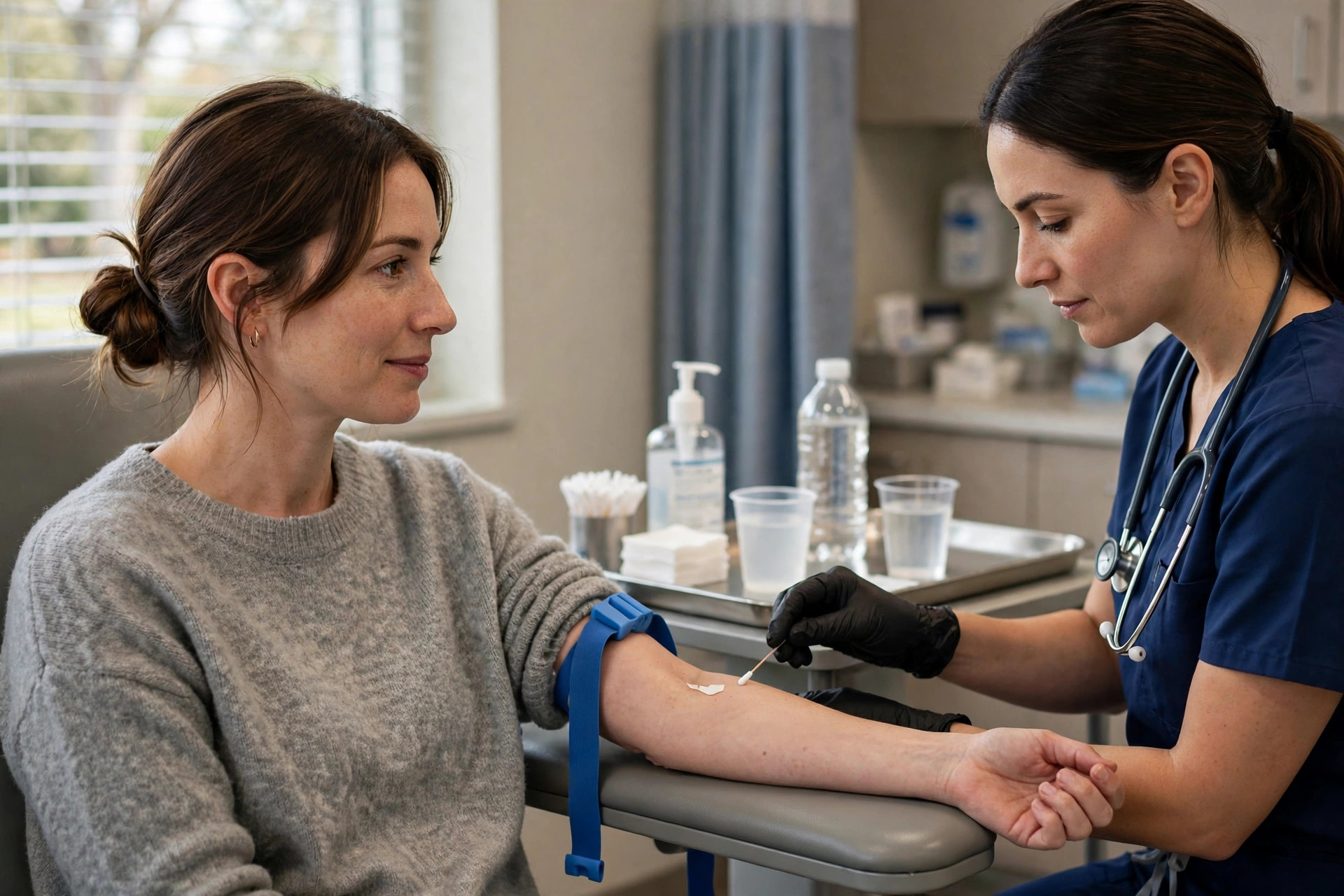 HbA1c and glucose testing (OGTT)Biopsies & Lab Tests
 Histopathology — how biopsy results are producedBiopsies & Lab Tests
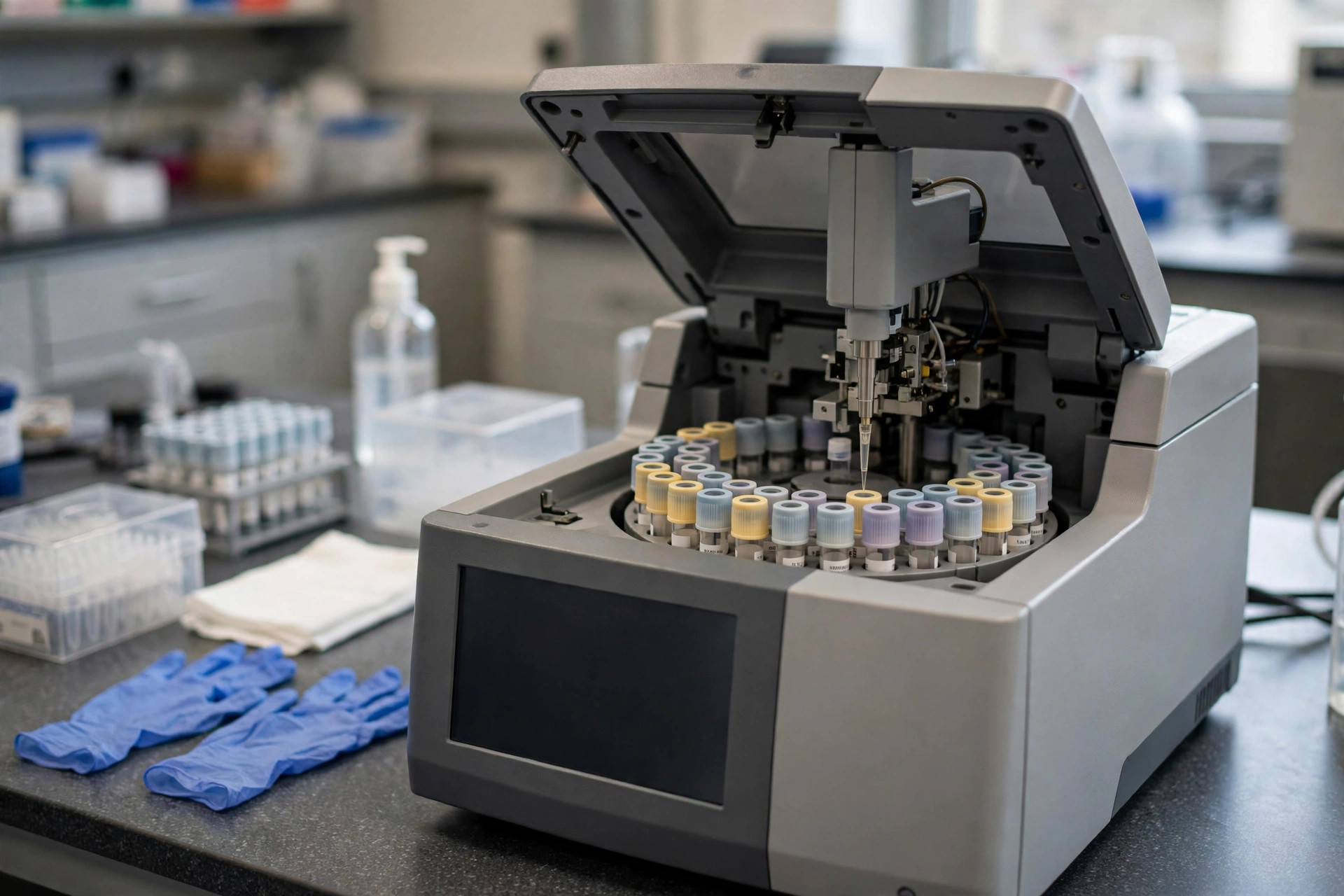 Hormone blood tests (thyroid, cortisol, reproductive)Biopsies & Lab Tests
 Liver biopsyBiopsies & Lab Tests
 Lymph node biopsy (core / excisional)Biopsies & Lab Tests
 Microbiology cultures — blood culturesBiopsies & Lab Tests
 Patch testing (contact allergy)Biopsies & Lab Tests
 Semen analysisBiopsies & Lab TestsSentinel lymph node biopsyBiopsies & Lab Tests
 Skin biopsy (punch / excisional)Biopsies & Lab Tests
 Sputum tests and TB testingBiopsies & Lab Tests
 Stool tests (FIT, culture, calprotectin)Biopsies & Lab Tests
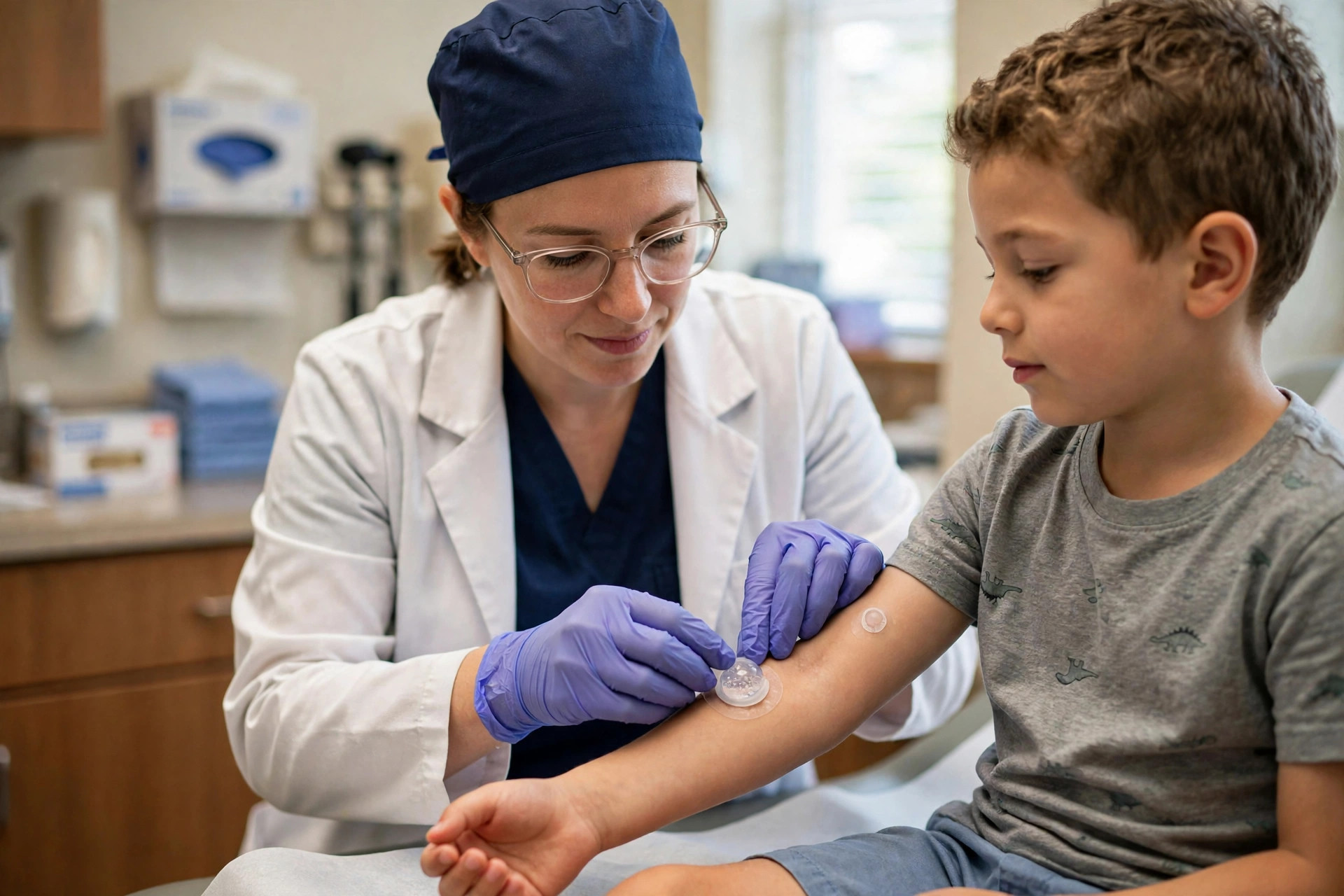 Sweat test (chloride test for cystic fibrosis)Biopsies & Lab Tests
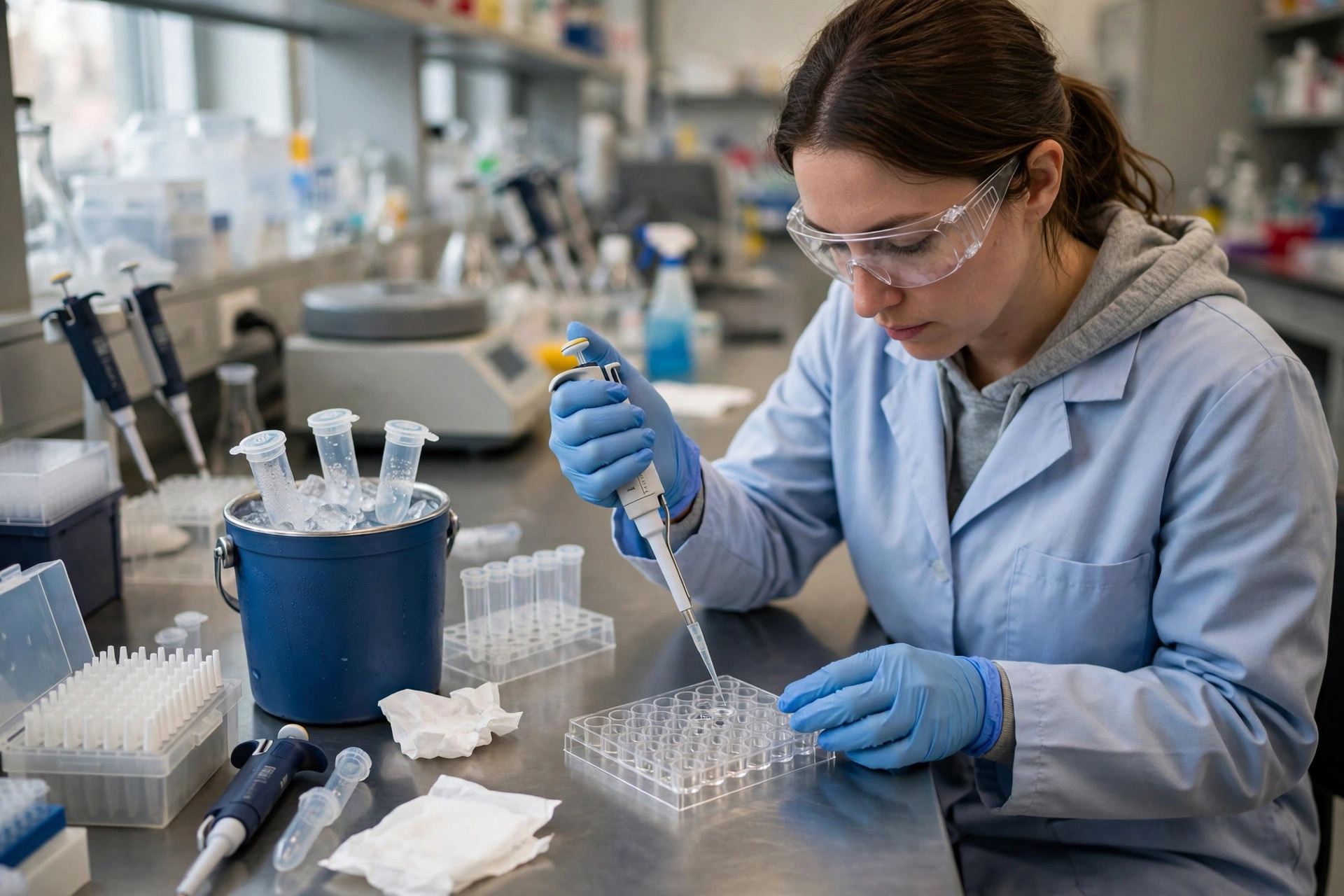
 Temporal artery biopsyBiopsies & Lab Tests
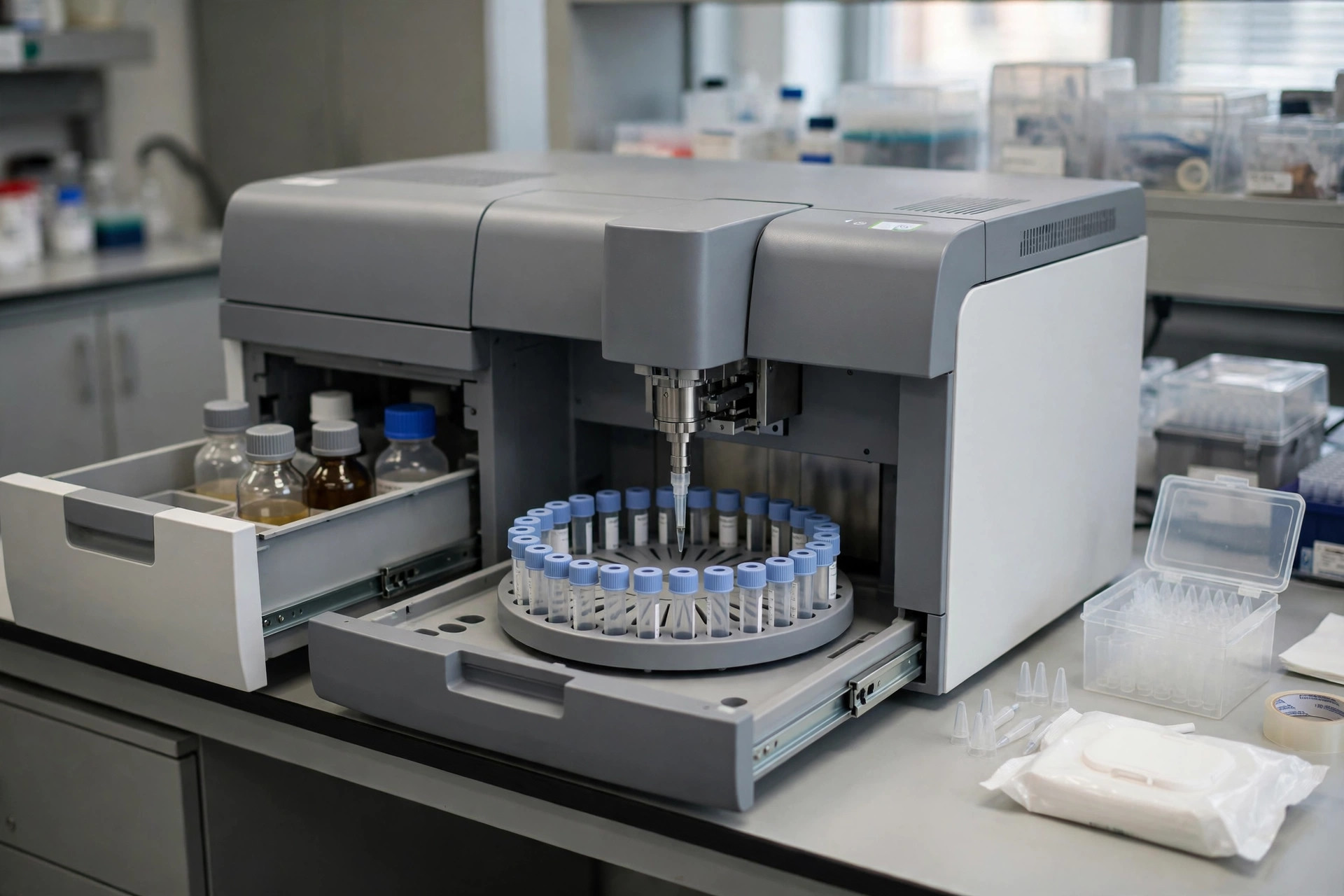
 Troponin and BNP heart blood testsBiopsies & Lab Tests
 Tumour markers — what they do and don't doBiopsies & Lab Tests
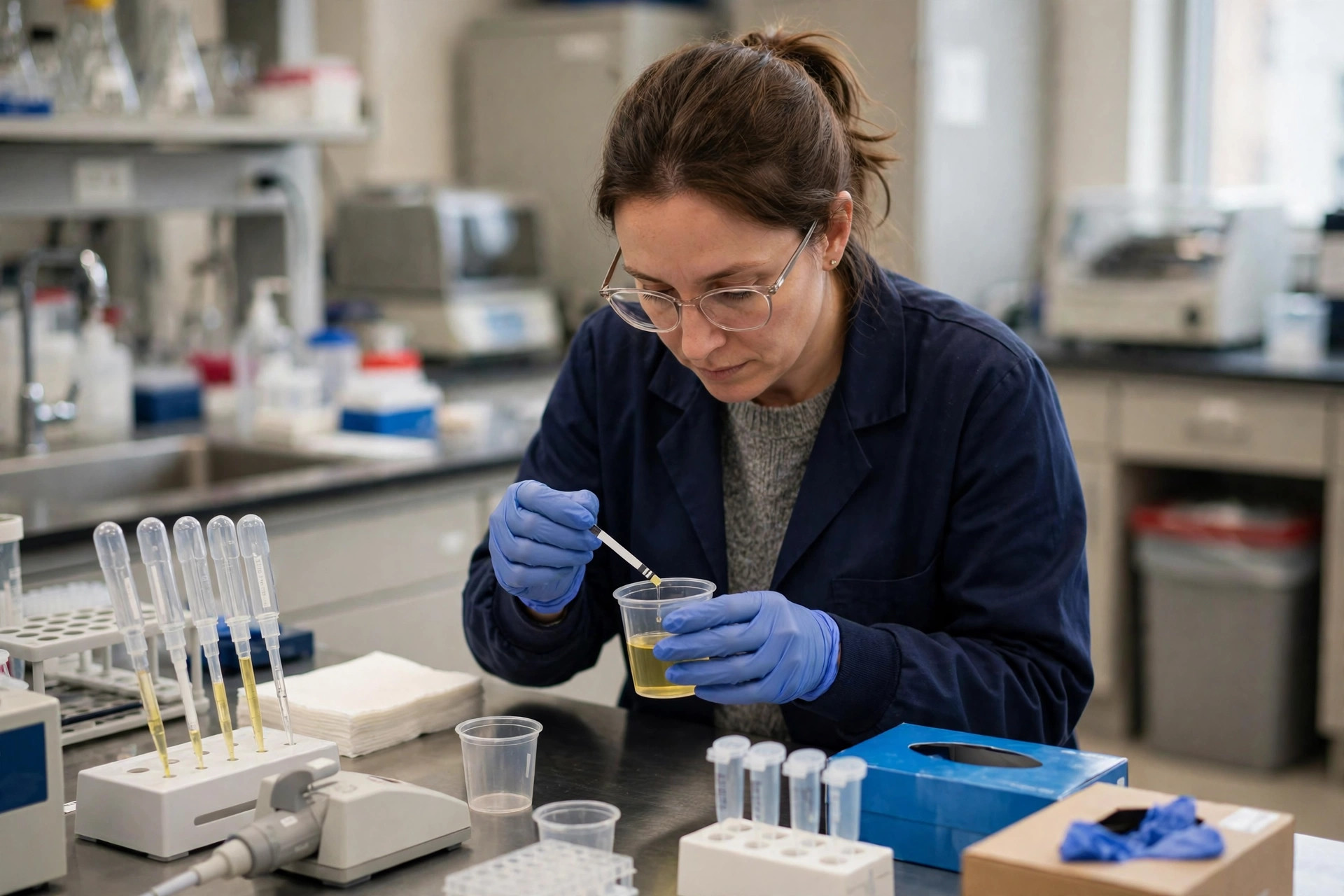 Urinalysis and urine cultureBiopsies & Lab Tests
| Procedure / test | Category | What it is |
|---|---|---|
| Allergy testing (skin prick / specific IgE) | Biopsies & Lab Tests | Allergy tests look for IgE-mediated (immediate) allergy. Skin prick testing places drops of allergen extracts on the skin and pricks through them; a wheal after 15 minutes indicates sensitisation. Blood tests measure specific IgE to individual allergens. Both must match your history to mean true allergy. |
| Arterial blood gas (ABG) test | Biopsies & Lab Tests | An arterial blood gas measures oxygen, carbon dioxide and acidity (pH) in arterial blood, plus calculated values such as bicarbonate. It shows how well the lungs are exchanging gas and how the body is balancing acid and base — essential in acute illness and respiratory medicine. |
| Blood tests (venepuncture) — what to expect | Biopsies & Lab Tests | A blood test draws blood from a vein, usually in the elbow crease, into labelled tubes for laboratory analysis — covering blood counts, kidney and liver chemistry, hormones, infections, immune markers and many more, depending on what your clinician requested. |
| Bone marrow biopsy | Biopsies & Lab Tests | A bone marrow biopsy samples the marrow — usually from the back of the pelvis — in two parts: aspiration (liquid marrow drawn out) and trephine (a small core of bone and marrow). The samples reveal how blood cells are being made and whether abnormal cells are present. |
| Breast core biopsy | Biopsies & Lab Tests | A breast core biopsy takes small cylinders of breast tissue with a spring-loaded needle under ultrasound (or X-ray/stereotactic or MRI) guidance, to diagnose lumps, areas of distortion and microcalcifications found on examination or screening. |
| Coagulation and thrombophilia tests | Biopsies & Lab Tests | Coagulation tests measure how blood clots: routine tests (PT/INR, APTT) guide warfarin treatment and pre-operative assessment; platelet function and von Willebrand tests investigate bleeding; thrombophilia tests look for inherited or acquired clotting tendencies after blood clots. |
| Fine needle aspiration (FNA) cytology | Biopsies & Lab Tests | Fine needle aspiration uses a thin needle to draw out cells from a lump or gland for cytology (looking at individual cells). It is quick, needs no anaesthetic in most sites, and is a first-line test for thyroid nodules, neck lumps, salivary gland lumps and some breast and lymph node assessments. |
| Genetic testing (diagnostic) | Biopsies & Lab Tests | Diagnostic genetic testing analyses DNA — usually from a blood or saliva sample — to look for inherited variants that explain a condition or predict risk: examples include BRCA1/2 for hereditary breast and ovarian cancer, Lynch syndrome genes, cystic fibrosis, Huntington's disease and many rarer conditions. |
| HbA1c and glucose testing (OGTT) | Biopsies & Lab Tests | HbA1c measures average blood glucose over the previous two to three months, from a single non-fasting blood sample, and is the standard test for diagnosing and monitoring type 2 diabetes. The oral glucose tolerance test (OGTT) measures glucose before and two hours after a measured glucose drink — the standard test for diabetes in pregnancy and for impaired glucose tolerance. |
| Histopathology — how biopsy results are produced | Biopsies & Lab Tests | Histopathology is the laboratory examination of tissue: biopsies and surgical specimens are fixed, processed, sliced into sections thinner than a cell layer, stained, and examined under the microscope by a pathologist, sometimes with special stains, molecular tests and multidisciplinary team discussion. |
| Hormone blood tests (thyroid, cortisol, reproductive) | Biopsies & Lab Tests | Hormone tests measure levels in blood (sometimes urine or saliva): thyroid hormones (TSH, free T4/T3), cortisol and adrenal tests, reproductive hormones (LH, FSH, oestradiol, progesterone, testosterone, prolactin), parathyroid hormone and vitamin D among others. Timing and context are critical to interpretation. |
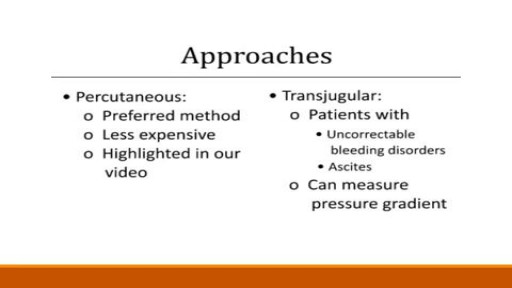
| Liver biopsy | Biopsies & Lab Tests | A liver biopsy takes a small core of liver tissue with a needle, usually through the skin between the ribs under ultrasound guidance (percutaneous), to diagnose and stage liver disease. A transjugular route through a neck vein is used when clotting is poor or fluid is present. |
| Lymph node biopsy (core / excisional) | Biopsies & Lab Tests | A lymph node biopsy samples an enlarged lymph node to find the cause — infection, inflammation or cancer (lymphoma or spread from another cancer). A core biopsy takes needle cores under imaging guidance; an excisional biopsy removes the whole node surgically, giving the most complete architecture for lymphoma diagnosis. |
| Microbiology cultures — blood cultures | Biopsies & Lab Tests | Blood cultures detect bacteria or fungi living in the bloodstream. Blood is drawn into special bottles (usually two sets from different sites) and incubated in machines that flag growth, after which organisms are identified and tested for antibiotic sensitivities. |
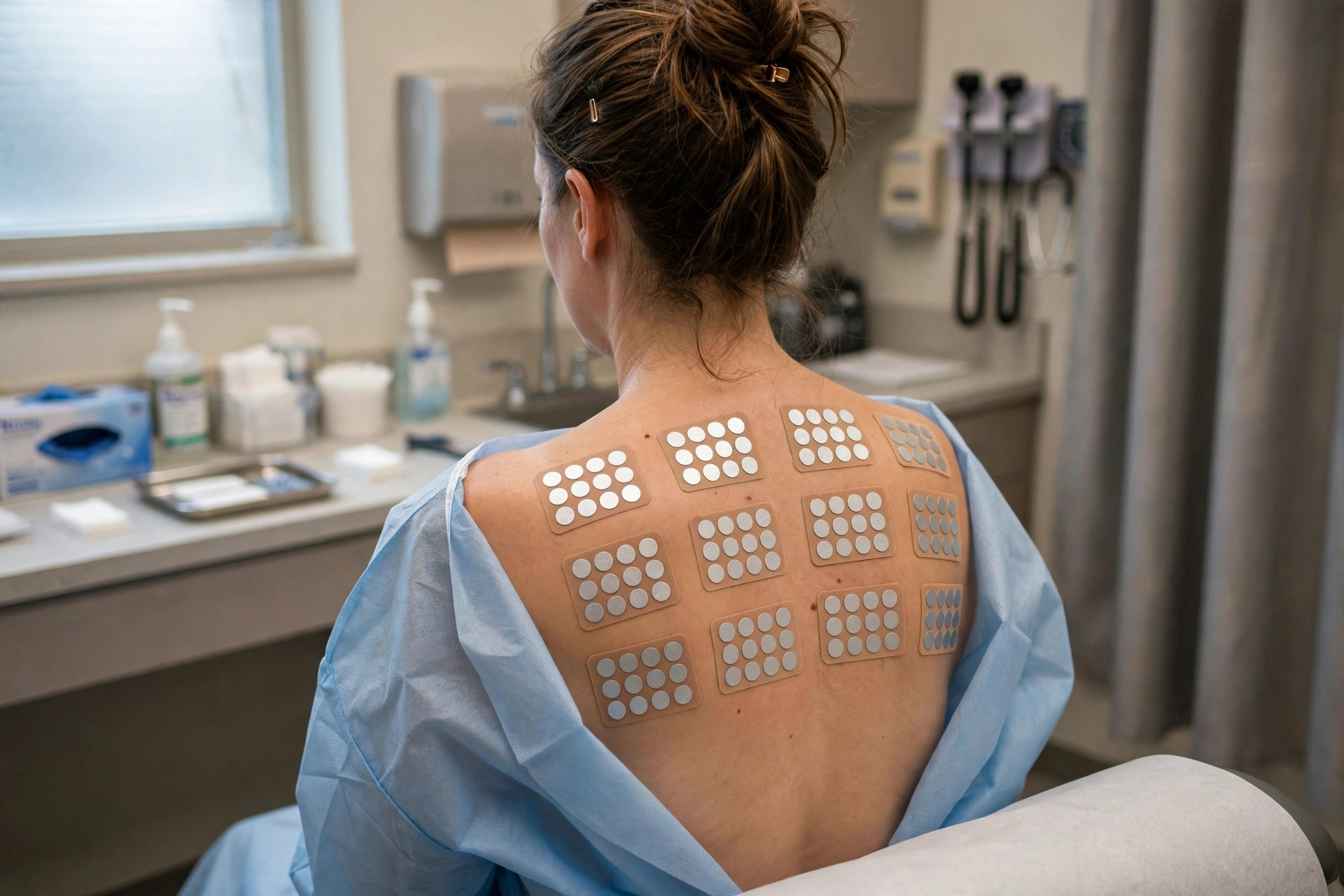
| Patch testing (contact allergy) | Biopsies & Lab Tests | Patch testing identifies delayed (type IV) contact allergy — the cause of allergic contact dermatitis from substances such as nickel, fragrances, preservatives, hair dyes and rubber chemicals. Small chambers containing standard allergen series are taped to the back for 48 hours and read over the following days. |
| Semen analysis | Biopsies & Lab Tests | Semen analysis examines a semen sample under the microscope: sperm concentration and total count, movement (motility), shape (morphology), sample volume and other features. It is the cornerstone test of male fertility. |
| Sentinel lymph node biopsy | Biopsies & Lab Tests | Sentinel lymph node biopsy identifies and removes the first lymph node(s) that drain a tumour site — the 'sentinel' nodes — using a radioactive tracer and/or blue dye injected near the tumour. If these nodes are clear of cancer, the remaining nodes are very likely clear too, sparing full node clearance and its complications. |
| Skin biopsy (punch / excisional) | Biopsies & Lab Tests | A skin biopsy removes a small sample of skin for examination under the microscope. A punch biopsy uses a circular blade to take a small full-thickness core; an excisional biopsy removes a whole lesion; a shave biopsy skims a surface lesion; an incisional biopsy samples part of a larger lesion. |
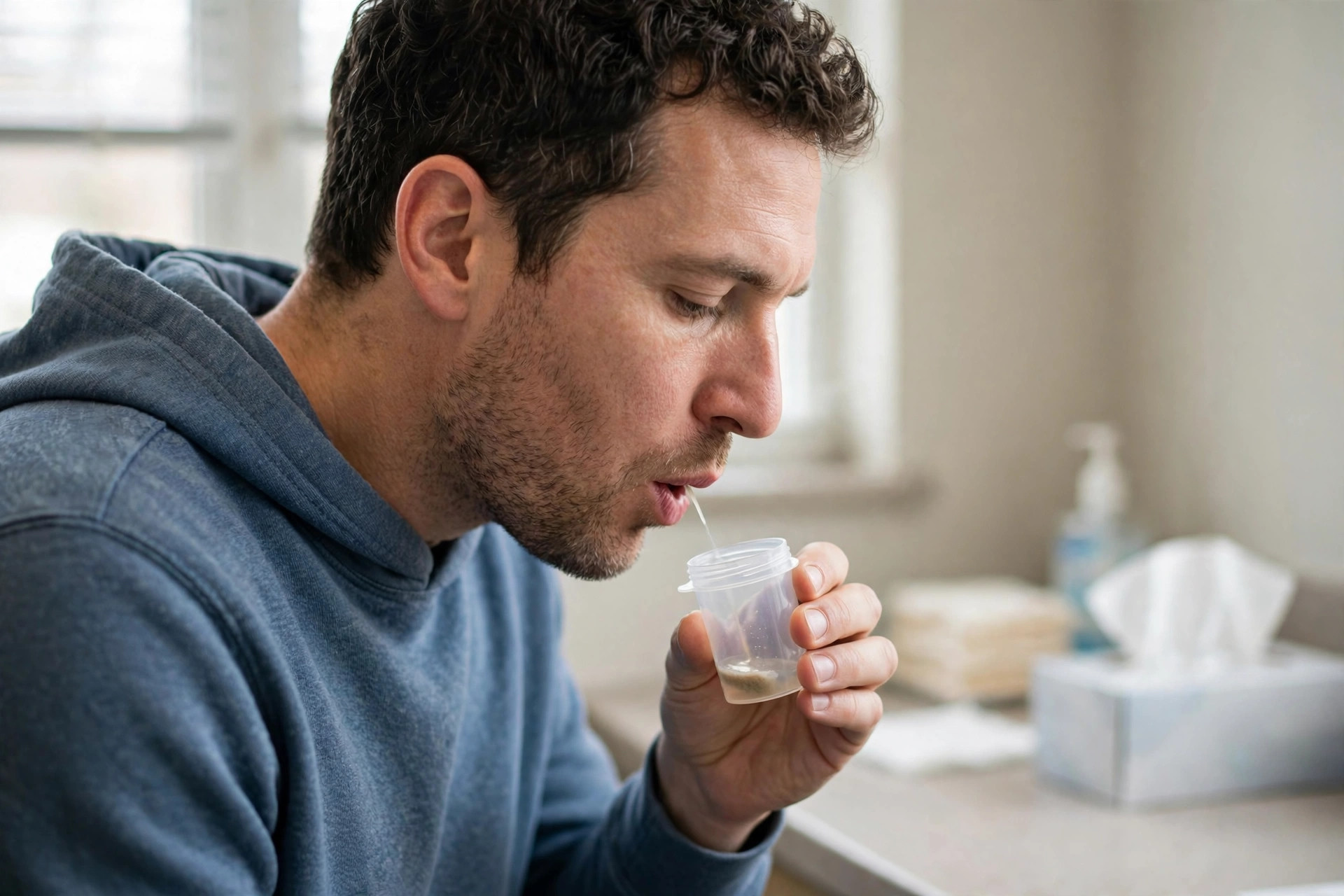
| Sputum tests and TB testing | Biopsies & Lab Tests | Sputum tests examine coughed-up phlegm under the microscope and by culture/PCR to identify infections — including tuberculosis (TB) — and sometimes cancer cells. TB blood tests (interferon-gamma release assays) and skin tests detect immune memory of TB without needing sputum. |
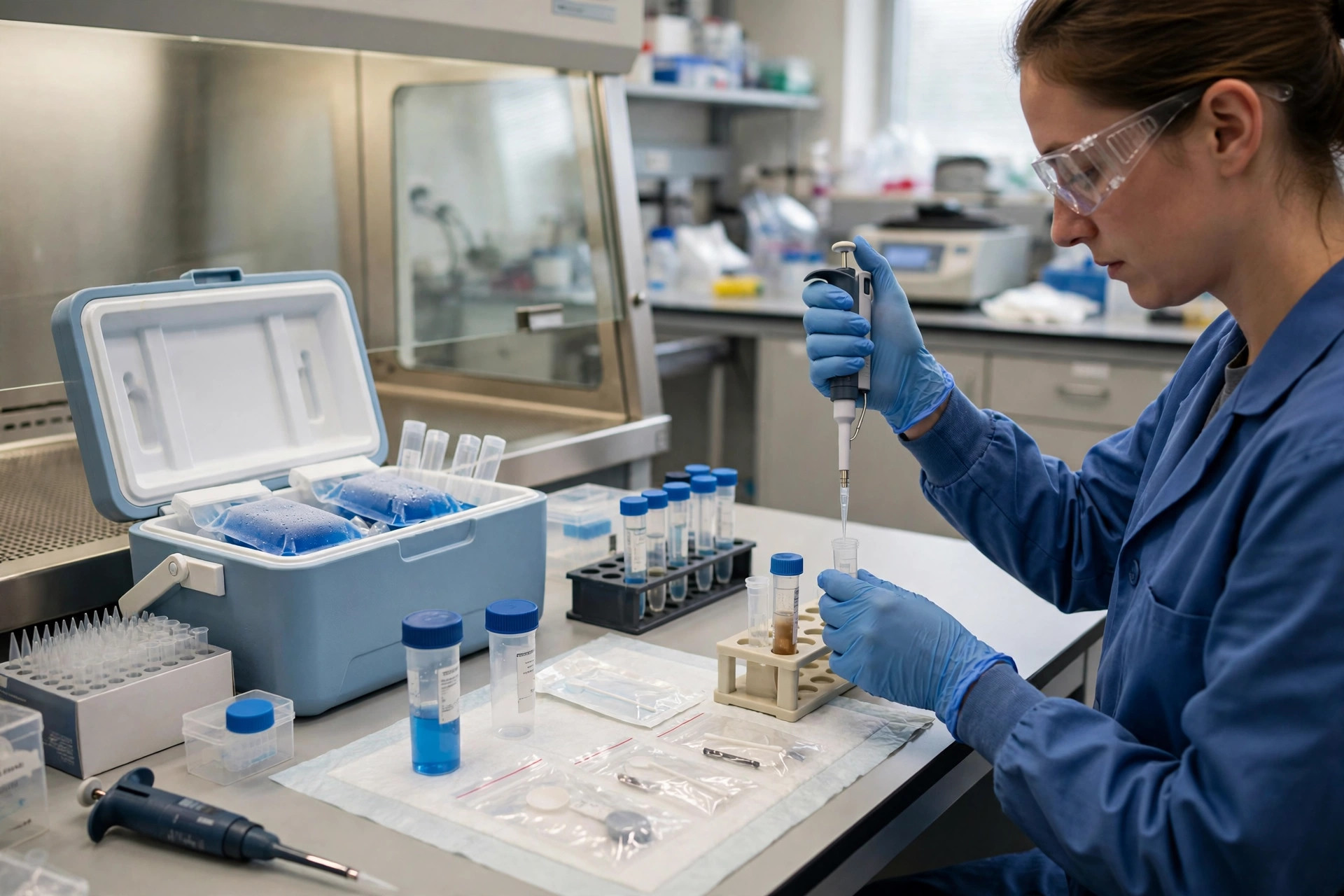
| Stool tests (FIT, culture, calprotectin) | Biopsies & Lab Tests | Stool tests include FIT (faecal immunochemical test — detects hidden blood), culture and PCR panels (find infection organisms), calprotectin (a marker of bowel inflammation), and tests for parasites and toxins such as C. difficile. |
| Sweat test (chloride test for cystic fibrosis) | Biopsies & Lab Tests | The sweat test measures the salt (chloride) concentration in sweat, which is characteristically high in cystic fibrosis (CF). A mild electrical current with a medicine (pilocarpine) stimulates sweating on a small area of skin, and the sweat is collected and analysed. |
| Temporal artery biopsy | Biopsies & Lab Tests | A temporal artery biopsy removes a short segment of the temporal artery (in the temple) under local anaesthetic to look for giant cell arteritis (GCA) — inflammation of arteries that can threaten vision. The tissue is examined for the characteristic inflammation. |
| Troponin and BNP heart blood tests | Biopsies & Lab Tests | Two blood tests are central to heart assessment. Troponin is a protein released when heart muscle is injured — the key test when a heart attack is suspected, measured on arrival and again after an interval. BNP/NT-proBNP is released when heart muscle is stretched — used to support or exclude heart failure as a cause of breathlessness. |
| Tumour markers — what they do and don't do | Biopsies & Lab Tests | Tumour markers are substances (often proteins) measured in blood that can be raised by certain cancers — examples include PSA (prostate), CA125 (ovary), CEA (bowel), AFP and hCG (germ cell tumours) and CA19-9 (pancreatic/biliary). Their main value is monitoring known cancer and response to treatment, not screening healthy people. |
| Urinalysis and urine culture | Biopsies & Lab Tests | Urinalysis begins with a dipstick test — a chemically treated strip dipped in urine that changes colour to detect blood, protein, glucose, ketones, nitrites and white-cell markers. A urine culture (MSU — midstream urine) grows any bacteria present and tests which antibiotics work against them. |
Please note: This page is educational information about a medical procedure or test. It does not replace the instructions of your own care team, who know your situation and whose preparation, fasting and medication advice you should follow if it differs from anything here. If you have symptoms that worry you, or an appointment you do not understand, contact your clinical team.