
- Physical Examination
- Surgical Examination
- Ophthalmology
- Clinical Skills
- Orthopedics
- Surgery Videos
- Laparoscopy
- Pediatrics
- Funny Videos
- Cardiothoracic Surgery
- Nursing Videos
- Plastic Surgery
- Otorhinolaryngology
- Histology and Histopathology
- Neurosurgery
- Dermatology
- Pediatric Surgery
- Urology
- Dentistry
- Oncology and Cancers
- Anatomy Videos
- Health and Fitness
- Radiology
- Anaesthesia
- Physical Therapy
- Pharmacology
- Interventional Radiology
- Cardiology
- Endocrinology
- Gynecology
- Emergency Medicine
- Psychiatry and Psychology
- Childbirth Videos
- General Medical Videos
- Nephrology
- Physiology
- Diet and Food Health
- Diabetes Mellitus
- Neurology
- Women Health
- Osteoporosis
- Gastroenterology
- Pulmonology
- Hematology
- Rheumatology
- Toxicology
- Nuclear Medicine
- Infectious Diseases
- Vascular Disease
- Reproductive Health
- Burns and Wound Healing
- Kidney Zone Podcast
- Other
Endometrial ablation
Category: Women's Health & Childbirth · All women's health & childbirth
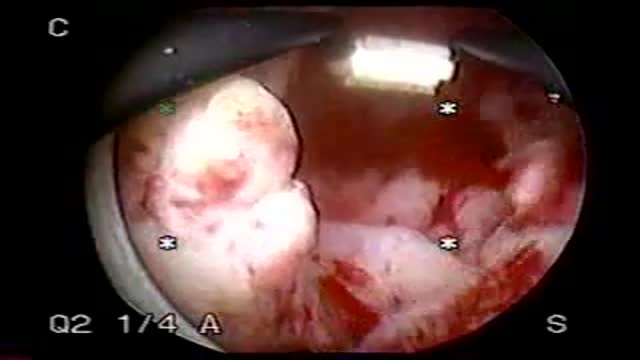
What it is
Endometrial ablation destroys the lining of the womb using heat, freezing or other energy delivered by a device passed through the cervix, to reduce or stop heavy periods. No cuts are made.
Why it is done
It is offered for heavy menstrual bleeding when medicines and a hormonal coil have not worked or are not suitable, and when you have completed your family — pregnancy after ablation is not safe and reliable contraception remains necessary.
How to prepare
You must not be pregnant and will have a pregnancy test. Assessment usually includes an ultrasound and often a look inside the womb (hysteroscopy) with a sample of the lining first. Depending on the device and setting it is done with general anaesthetic or local anaesthetic with sedation, usually as a day case.
What happens during the procedure
The device is passed through the cervix and activated for a few minutes to treat the lining. The procedure itself is short — often under 30 minutes in total.
Afterwards — recovery & results
Most people go home the same day. Cramps for a day or two and a watery or bloody discharge for a few weeks are expected while the lining heals. Periods typically become much lighter or stop over the following cycles; the full effect is judged after a few months.
Risks & considerations
Risks include infection, bleeding, a small risk of perforation or injury from the device, and fluid absorption issues with some techniques. A proportion of women later need further treatment or hysterectomy if symptoms persist or return. It is not a contraceptive procedure.
Watch: Endometrial ablation videos
Real procedure videos from the MedicalVideos.com library. Some clinical footage is graphic — that is the nature of a medical video library.
Related guides on MedicalVideos.com
Frequently asked questions
Will my periods stop completely?
For some women yes; for most they become significantly lighter. Outcomes vary and a minority need further treatment.
Why can't I rely on it for contraception?
Pregnancy is still possible after ablation and would be high risk, so continuing contraception is essential until the menopause.
Related procedures — Women's Health & Childbirth
Browse the E section of the A–Z list or return to the Procedures & Tests hub.