
- Physical Examination
- Surgical Examination
- Ophthalmology
- Clinical Skills
- Orthopedics
- Surgery Videos
- Laparoscopy
- Pediatrics
- Funny Videos
- Cardiothoracic Surgery
- Nursing Videos
- Plastic Surgery
- Otorhinolaryngology
- Histology and Histopathology
- Neurosurgery
- Dermatology
- Pediatric Surgery
- Urology
- Dentistry
- Oncology and Cancers
- Anatomy Videos
- Health and Fitness
- Radiology
- Anaesthesia
- Physical Therapy
- Pharmacology
- Interventional Radiology
- Cardiology
- Endocrinology
- Gynecology
- Emergency Medicine
- Psychiatry and Psychology
- Childbirth Videos
- General Medical Videos
- Nephrology
- Physiology
- Diet and Food Health
- Diabetes Mellitus
- Neurology
- Women Health
- Osteoporosis
- Gastroenterology
- Pulmonology
- Hematology
- Rheumatology
- Toxicology
- Nuclear Medicine
- Infectious Diseases
- Vascular Disease
- Reproductive Health
- Burns and Wound Healing
- Kidney Zone Podcast
- Other
Women's Health & Childbirth
Procedures in women's health and childbirth: caesarean birth, induction and assisted delivery, womb and ovary operations, fibroid and cyst surgery, sterilisation and coil fitting, biopsies of the womb lining, and the diagnostic tests of pregnancy such as amniocentesis and CVS.
This page lists all 18 of them in the guide. Open any procedure for preparation, step-by-step what happens, recovery advice and frequently asked questions.
 AmniocentesisWomen's Health
 Bartholin's cyst/abscess treatment (marsupialisation)Women's Health
 Caesarean sectionWomen's Health
 Cervical cerclage (stitch)Women's Health
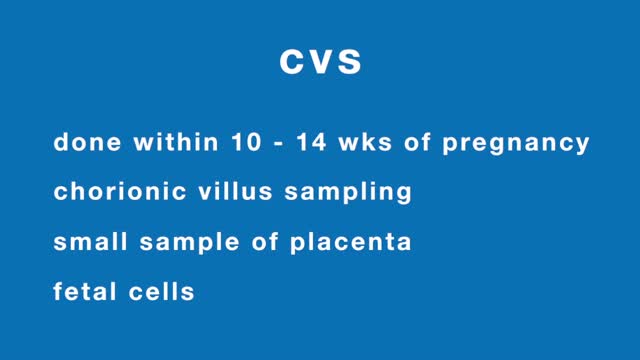 Chorionic villus sampling (CVS)Women's Health
 Dilatation and curettage (D&C)Women's Health
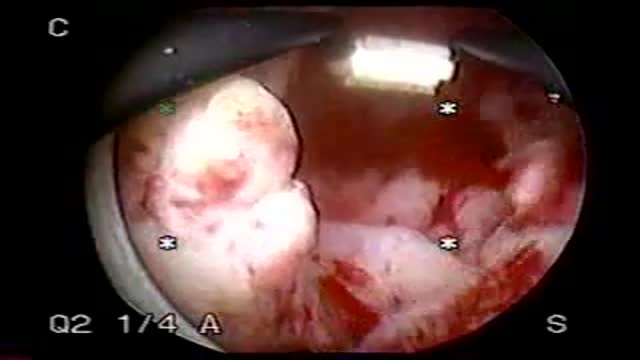 Endometrial ablationWomen's Health
 Endometrial biopsy (pipelle)Women's Health
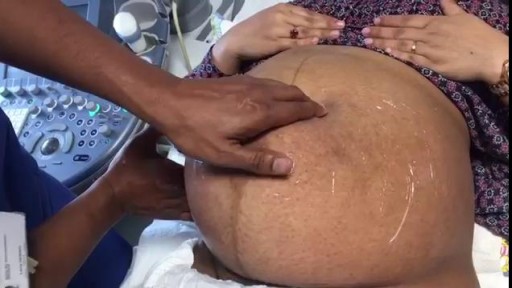 External cephalic version (ECV)Women's Health
 Hysterectomy (abdominal / vaginal / laparoscopic)Women's Health
 Induction of labourWomen's Health
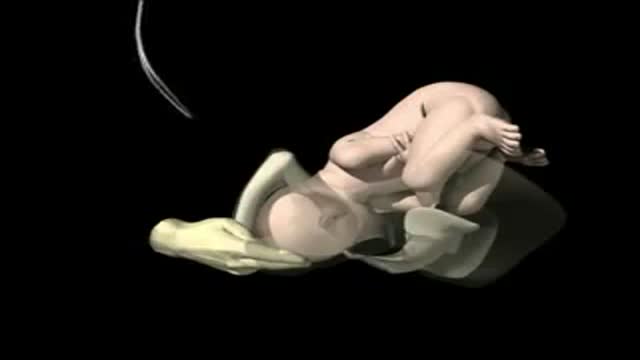 Instrumental delivery (forceps / ventouse)Women's Health
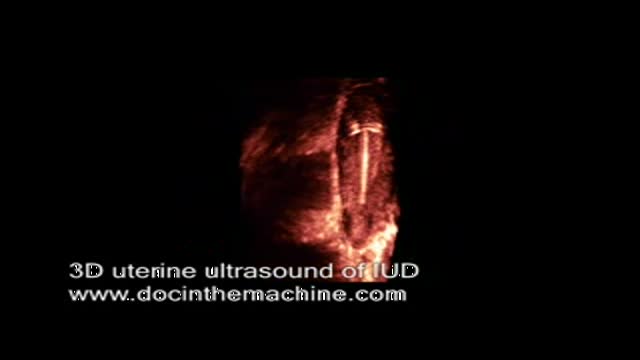 IUD / IUS fitting (coil)Women's Health
 Manual vacuum aspiration (MVA)Women's Health
 Myomectomy (fibroid removal)Women's Health
 Ovarian cystectomy / oophorectomyWomen's Health
 Surgical management of miscarriage (ERPC)Women's Health
 Tubal ligation / sterilisationWomen's Health
| Procedure / test | Category | What it is |
|---|---|---|
| Amniocentesis | Women's Health | Amniocentesis is a diagnostic test in pregnancy: under continuous ultrasound guidance, a fine needle passes through the abdomen into the womb to take a small sample of the fluid around the baby, which contains the baby's cells for genetic and infection testing. |
| Bartholin's cyst/abscess treatment (marsupialisation) | Women's Health | The Bartholin's glands sit at the vaginal opening and can block, forming a cyst or a painful abscess. Treatment ranges from a small balloon catheter (Word catheter) that keeps a new opening draining, to marsupialisation — a minor operation creating a permanent small opening so fluid can drain. |
| Caesarean section | Women's Health | A caesarean section is an operation to deliver a baby through a cut in the abdomen and womb. It may be planned (elective) in advance or done in labour as an emergency if concerns arise for mother or baby. |
| Cervical cerclage (stitch) | Women's Health | A cervical cerclage is a stitch placed around the neck of the womb (cervix) during pregnancy to keep it closed when it is weak or shortening too early (cervical insufficiency), reducing the risk of late miscarriage or very premature birth. |
| Chorionic villus sampling (CVS) | Women's Health | CVS takes a tiny sample of the developing placenta (chorionic villi) for genetic testing of the baby, usually between 11 and 14 weeks of pregnancy. The sample is taken through the abdomen with a needle (transabdominal) or through the cervix (transcervical), under ultrasound guidance. |
| Dilatation and curettage (D&C) | Women's Health | A D&C is a minor operation in which the neck of the womb (cervix) is gently opened (dilatation) and the lining of the womb is sampled or cleared with a curette or suction device. It is often combined with hysteroscopy so the womb can be seen directly. |
| Endometrial ablation | Women's Health | Endometrial ablation destroys the lining of the womb using heat, freezing or other energy delivered by a device passed through the cervix, to reduce or stop heavy periods. No cuts are made. |
| Endometrial biopsy (pipelle) | Women's Health | An endometrial biopsy takes a small sample of the womb lining, usually with a thin suction device (pipelle) passed through the cervix in clinic — no anaesthetic or cuts needed. |
| External cephalic version (ECV) | Women's Health | External cephalic version is a procedure to turn a breech baby (bottom-down) to head-down by applying pressure with hands on the mother's abdomen, guided by ultrasound, to increase the chance of a vaginal birth. |
| Hysterectomy (abdominal / vaginal / laparoscopic) | Women's Health | A hysterectomy is an operation to remove the womb. It may be done through the abdomen (open or keyhole) or through the vagina, and may include removing the cervix, and sometimes the ovaries and fallopian tubes, depending on the reason and your discussions. |
| Induction of labour | Women's Health | Induction of labour is the process of starting labour artificially when continuing the pregnancy carries more risk than delivering the baby — for example when the pregnancy is overdue, waters have broken without labour, or there are concerns about mother or baby. |
| Instrumental delivery (forceps / ventouse) | Women's Health | An instrumental (assisted vaginal) delivery uses forceps (smooth metal instruments placed around the baby's head) or a ventouse (a suction cup on the baby's head) to help deliver the baby during the pushing stage of labour, together with the mother's contractions and pushing. |
| IUD / IUS fitting (coil) | Women's Health | Fitting a coil places a small T-shaped device inside the womb. A copper IUD works without hormones; an IUS (hormonal coil) releases a small amount of progestogen locally. Both are long-acting reversible contraception, and the IUS is also a treatment for heavy periods. |
| Manual vacuum aspiration (MVA) | Women's Health | Manual vacuum aspiration is a method of emptying the womb using a hand-held suction device, performed with local anaesthetic in a clinic setting. It is used for surgical management of miscarriage and for abortion care in early pregnancy, according to local services and law. |
| Myomectomy (fibroid removal) | Women's Health | A myomectomy removes fibroids (benign muscle growths) from the wall of the womb while preserving the womb itself. It can be open, keyhole, or through the vagina with a hysteroscope for fibroids bulging into the womb cavity. |
| Ovarian cystectomy / oophorectomy | Women's Health | Ovarian cystectomy removes a cyst from the ovary while preserving the ovary; oophorectomy removes the whole ovary (with salpingectomy, the tube as well). Most are done by keyhole surgery. |
| Surgical management of miscarriage (ERPC) | Women's Health | Surgical management of miscarriage (sometimes still called ERPC) is a short operation using gentle suction to empty the womb when a pregnancy has miscarried but tissue remains. It is one of three options — alongside waiting naturally and medication — and the choice is yours with your team's guidance. |
| Tubal ligation / sterilisation | Women's Health | Female sterilisation blocks or removes the fallopian tubes so eggs cannot meet sperm. Modern practice usually removes the tubes entirely (salpingectomy) or clips/blocks them during keyhole surgery; it is considered permanent. |
Please note: This page is educational information about a medical procedure or test. It does not replace the instructions of your own care team, who know your situation and whose preparation, fasting and medication advice you should follow if it differs from anything here. If you have symptoms that worry you, or an appointment you do not understand, contact your clinical team.