
- Physical Examination
- Surgical Examination
- Ophthalmology
- Clinical Skills
- Orthopedics
- Surgery Videos
- Laparoscopy
- Pediatrics
- Funny Videos
- Cardiothoracic Surgery
- Nursing Videos
- Plastic Surgery
- Otorhinolaryngology
- Histology and Histopathology
- Neurosurgery
- Dermatology
- Pediatric Surgery
- Urology
- Dentistry
- Oncology and Cancers
- Anatomy Videos
- Health and Fitness
- Radiology
- Anaesthesia
- Physical Therapy
- Pharmacology
- Interventional Radiology
- Cardiology
- Endocrinology
- Gynecology
- Emergency Medicine
- Psychiatry and Psychology
- Childbirth Videos
- General Medical Videos
- Nephrology
- Physiology
- Diet and Food Health
- Diabetes Mellitus
- Neurology
- Women Health
- Osteoporosis
- Gastroenterology
- Pulmonology
- Hematology
- Rheumatology
- Toxicology
- Nuclear Medicine
- Infectious Diseases
- Vascular Disease
- Reproductive Health
- Burns and Wound Healing
- Kidney Zone Podcast
- Other
Eyelid surgery (blepharoplasty / ptosis repair)
Category: Eye Procedures & Tests · All eye procedures & tests
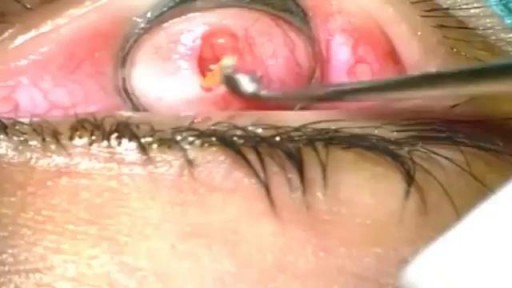
What it is
Eyelid surgery includes blepharoplasty (removing excess skin and fat from hooded upper lids, sometimes also lower lids) and ptosis repair (tightening the muscle that lifts a drooping upper eyelid). When drooping skin or lid position blocks vision, surgery is functional as well as cosmetic.
Why it is done
Indications include upper lid skin overhanging the lashes and reducing the visual field, a drooping lid (ptosis) covering the pupil, and lower-lid bags. Assessment includes visual field testing when NHS-type funding criteria require proof of visual loss.
How to prepare
Photographs and visual field tests are usually taken. Most surgery is day-case under local anaesthetic; you may not need to fast unless sedation is planned. Tell the team about blood thinners, dry eye, thyroid eye disease and allergies.
What happens during the procedure
Under local anaesthetic (which stings briefly), the surgeon marks the skin crease, removes the planned tissue and closes with fine stitches. Ptosis repair shortens or reattaches the lifting muscle/tendon. Surgery takes 30 to 90 minutes depending on extent.
Afterwards — recovery & results
Bruising and swelling peak at two to three days and settle over one to two weeks; cold compresses and sleeping propped up help. Stitches are removed at about a week. You will use ointment or drops as instructed and avoid heavy exercise and eye make-up until reviewed.
Risks & considerations
Risks include bruising, infection, dry or gritty eyes, temporary difficulty closing the eye fully, asymmetry, scarring, and rarely effects on vision. Over- or under-correction of ptosis sometimes needs adjustment surgery. Your surgeon will discuss realistic outcomes.
Watch: Eyelid surgery (blepharoplasty / ptosis repair) videos
Real procedure videos from the MedicalVideos.com library. Some clinical footage is graphic — that is the nature of a medical video library.
Frequently asked questions
Will insurance/the health service fund it?
Cosmetic blepharoplasty is usually self-funded. When documented visual field loss from overhanging skin is shown, functional surgery may be funded — criteria vary by area.
When will I look normal again?
Most bruising fades within two weeks and scars mature over months, becoming fine lines in the natural crease.
Related procedures — Eye Procedures & Tests
Browse the E section of the A–Z list or return to the Procedures & Tests hub.