
- Physical Examination
- Surgical Examination
- Ophthalmology
- Clinical Skills
- Orthopedics
- Surgery Videos
- Laparoscopy
- Pediatrics
- Funny Videos
- Cardiothoracic Surgery
- Nursing Videos
- Plastic Surgery
- Otorhinolaryngology
- Histology and Histopathology
- Neurosurgery
- Dermatology
- Pediatric Surgery
- Urology
- Dentistry
- Oncology and Cancers
- Anatomy Videos
- Health and Fitness
- Radiology
- Anaesthesia
- Physical Therapy
- Pharmacology
- Interventional Radiology
- Cardiology
- Endocrinology
- Gynecology
- Emergency Medicine
- Psychiatry and Psychology
- Childbirth Videos
- General Medical Videos
- Nephrology
- Physiology
- Diet and Food Health
- Diabetes Mellitus
- Neurology
- Women Health
- Osteoporosis
- Gastroenterology
- Pulmonology
- Hematology
- Rheumatology
- Toxicology
- Nuclear Medicine
- Infectious Diseases
- Vascular Disease
- Reproductive Health
- Burns and Wound Healing
- Kidney Zone Podcast
- Other
Cataract surgery (phacoemulsification)
Category: Eye Procedures & Tests · All eye procedures & tests
What it is
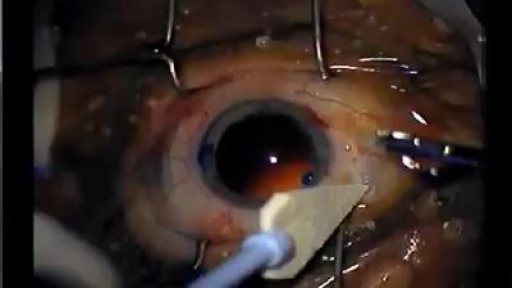
Cataract surgery removes the eye's cloudy natural lens (the cataract) and replaces it with a clear artificial lens implant. The modern technique (phacoemulsification) uses ultrasound through a tiny cut to break up and remove the lens.
Why it is done
It is offered when a cataract interferes with daily life — reading, driving, glare, work — rather than by a fixed 'ripeness'. It is one of the most commonly performed and successful operations.
How to prepare
Your eye is measured precisely beforehand (biometry) to choose the lens implant power, taking into account whether you aim to reduce dependence on glasses. Tell the team about eye drops, allergies, and medicines such as prostate tablets (which can affect the pupil during surgery) and blood thinners. You usually do not need to fast for local anaesthetic surgery.
What happens during the procedure
Most operations are done awake with numbing drops or a small anaesthetic injection around the eye — you should feel no pain, though you will see bright lights and movement. The surgery takes about 15 to 30 minutes. The tiny cut usually seals without stitches and a shield protects the eye afterwards.
Afterwards — recovery & results
You go home the same day with eye drops to use for a few weeks and a follow-up arrangement. Vision often improves within days and settles over a few weeks; a new glasses prescription is checked after healing (around four to six weeks). Avoid rubbing the eye, heavy straining and dirty water in the eye early on, as instructed.
Risks & considerations
Serious complications are uncommon. Risks include infection inside the eye (rare but serious), bleeding, swelling of the retina, a torn lens capsule during surgery, the implant being off-target so glasses are still needed, and later clouding of the membrane behind the implant, which is treated with a quick laser procedure. Your surgeon will discuss your individual risk.
Watch: Cataract surgery (phacoemulsification) videos
Real procedure videos from the MedicalVideos.com library. Some clinical footage is graphic — that is the nature of a medical video library.
Related guides on MedicalVideos.com
Frequently asked questions
Will I be asleep?
Usually not. Local anaesthetic is standard and most people are surprised how straightforward it is. Sedation or general anaesthetic is available in special circumstances.
Can both eyes be done together?
Usually one eye is done at a time, a few weeks apart, though some centres offer both eyes on the same day for selected patients.
Related procedures — Eye Procedures & Tests
Browse the C section of the A–Z list or return to the Procedures & Tests hub.