
- Physical Examination
- Surgical Examination
- Ophthalmology
- Clinical Skills
- Orthopedics
- Surgery Videos
- Laparoscopy
- Pediatrics
- Funny Videos
- Cardiothoracic Surgery
- Nursing Videos
- Plastic Surgery
- Otorhinolaryngology
- Histology and Histopathology
- Neurosurgery
- Dermatology
- Pediatric Surgery
- Urology
- Dentistry
- Oncology and Cancers
- Anatomy Videos
- Health and Fitness
- Radiology
- Anaesthesia
- Physical Therapy
- Pharmacology
- Interventional Radiology
- Cardiology
- Endocrinology
- Gynecology
- Emergency Medicine
- Psychiatry and Psychology
- Childbirth Videos
- General Medical Videos
- Nephrology
- Physiology
- Diet and Food Health
- Diabetes Mellitus
- Neurology
- Women Health
- Osteoporosis
- Gastroenterology
- Pulmonology
- Hematology
- Rheumatology
- Toxicology
- Nuclear Medicine
- Infectious Diseases
- Vascular Disease
- Reproductive Health
- Burns and Wound Healing
- Kidney Zone Podcast
- Other
Eye Procedures & Tests
Eye procedures and tests: cataract surgery and the laser treatments that follow it, injections and laser for retinal disease, glaucoma lasers, eyelid and squint surgery, corneal cross-linking, and the scans — such as OCT — that guide modern eye care.
This page lists all 14 of them in the guide. Open any procedure for preparation, step-by-step what happens, recovery advice and frequently asked questions.
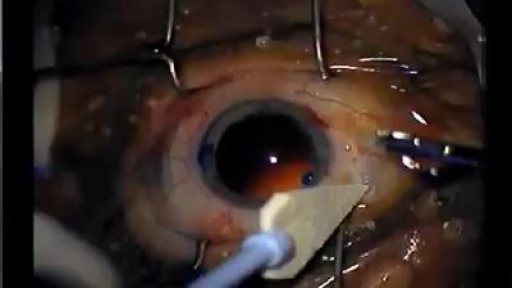 Cataract surgery (phacoemulsification)Eyes
 Corneal cross-linkingEyes
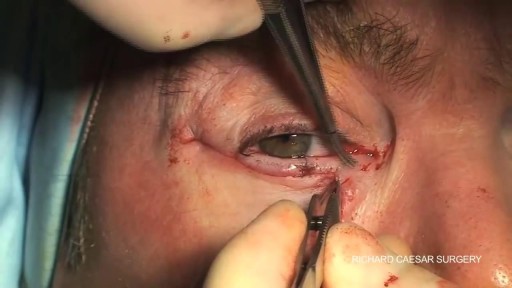 Entropion / ectropion repairEyes
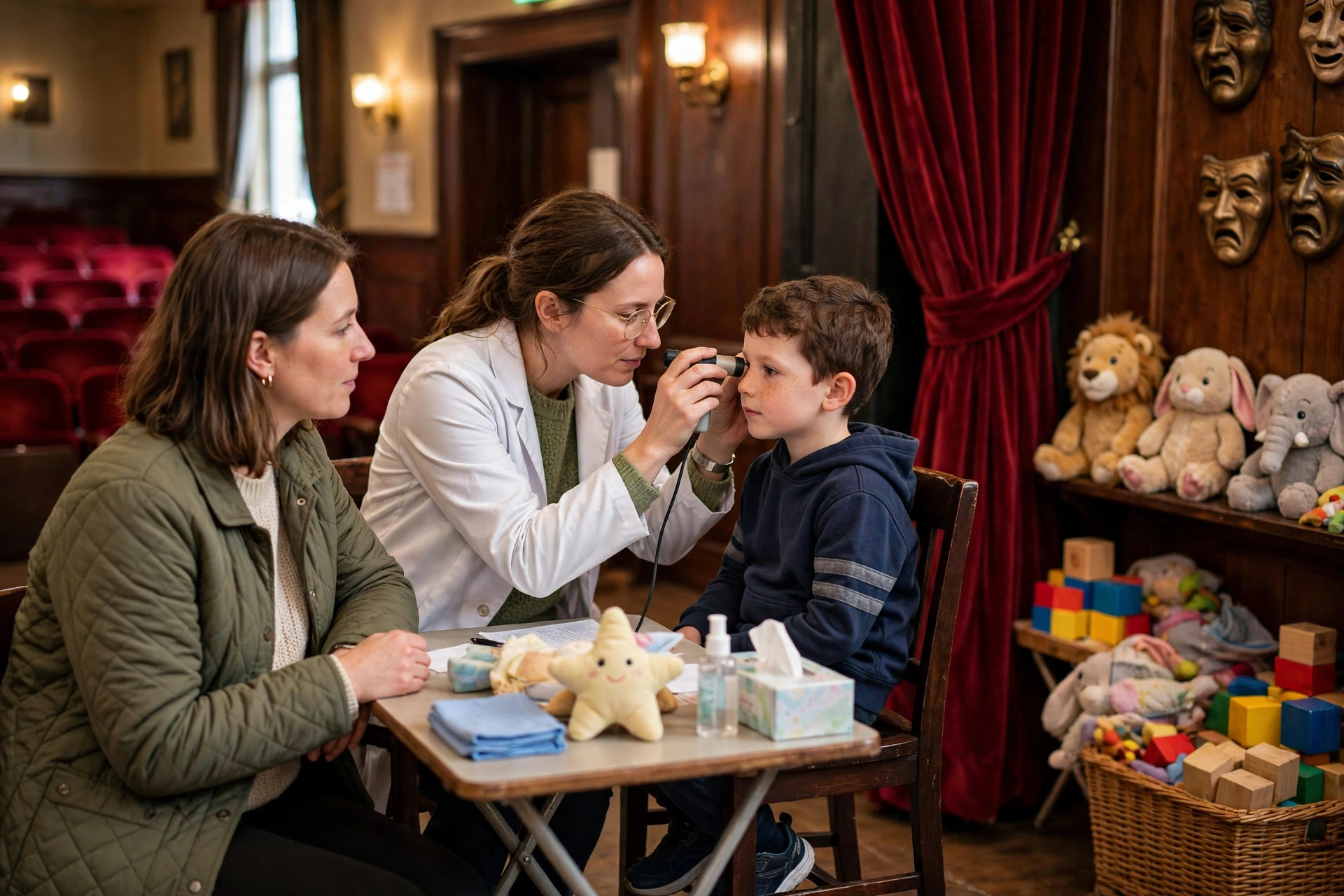 Eye examination under anaesthetic / EUA and probing for blocked tear duct in childrenEyes
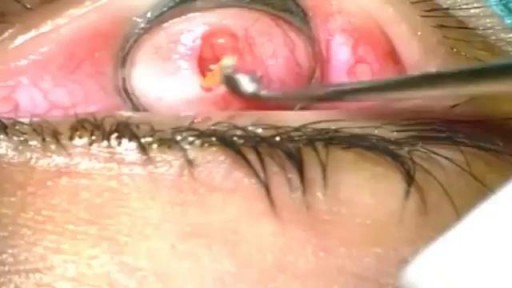 Eyelid surgery (blepharoplasty / ptosis repair)Eyes
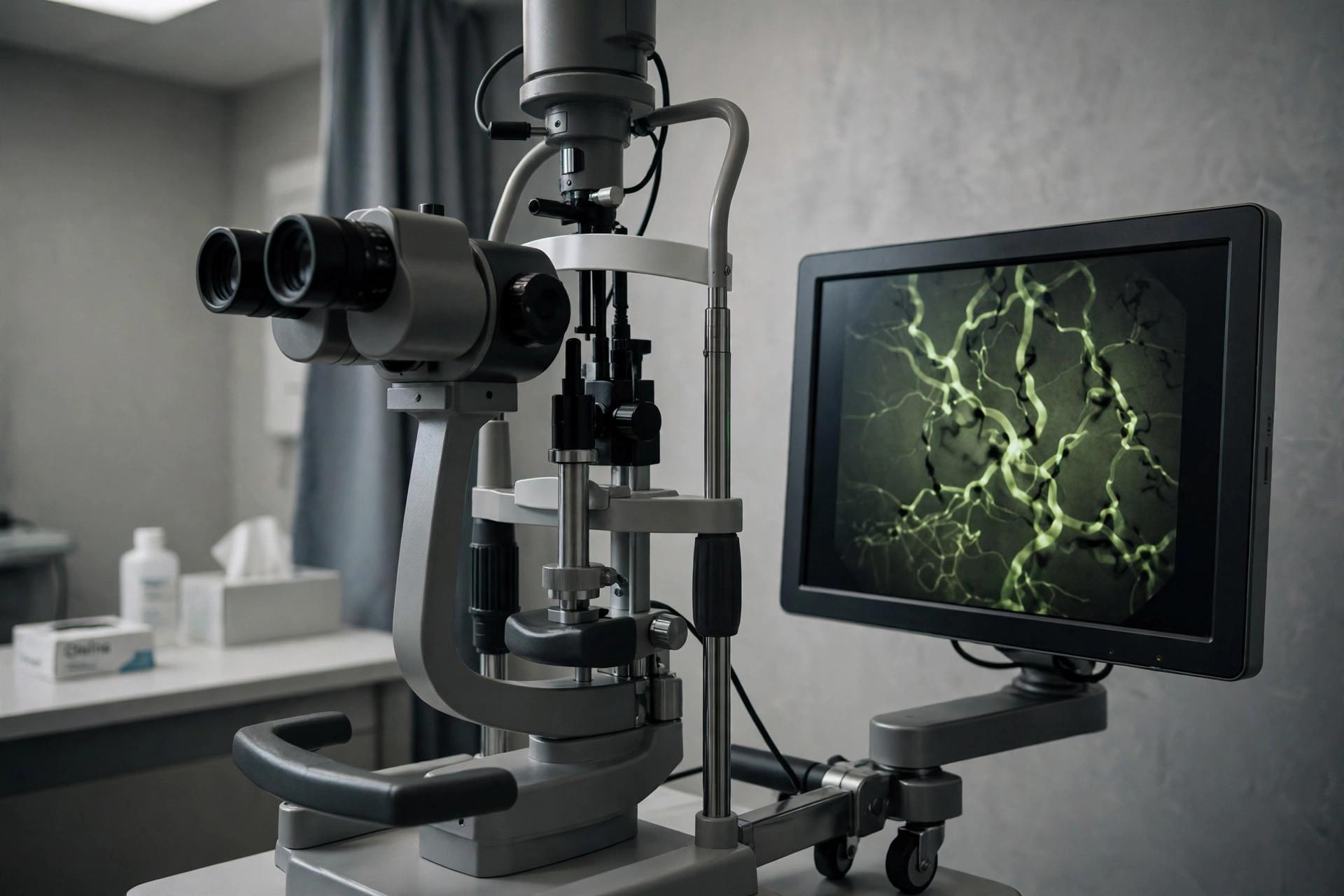 Fundus fluorescein angiography (FFA)Eyes
 Glaucoma laser (SLT / iridotomy)Eyes
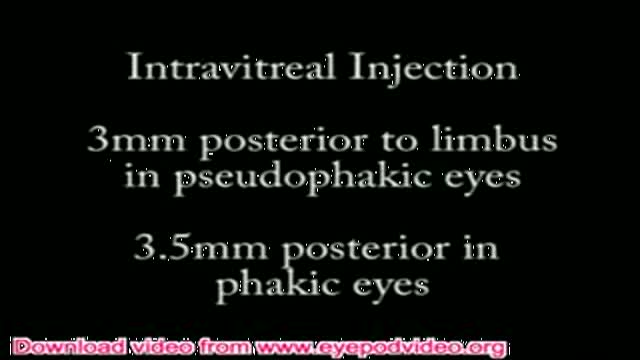 Intravitreal injection (anti-VEGF)Eyes
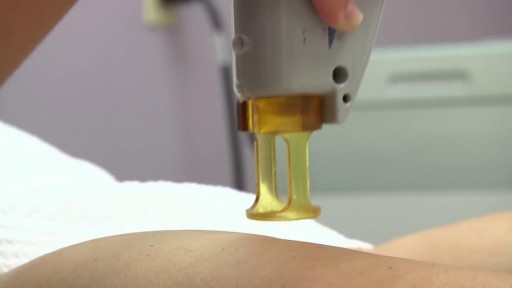 Laser eye treatment (YAG capsulotomy)Eyes
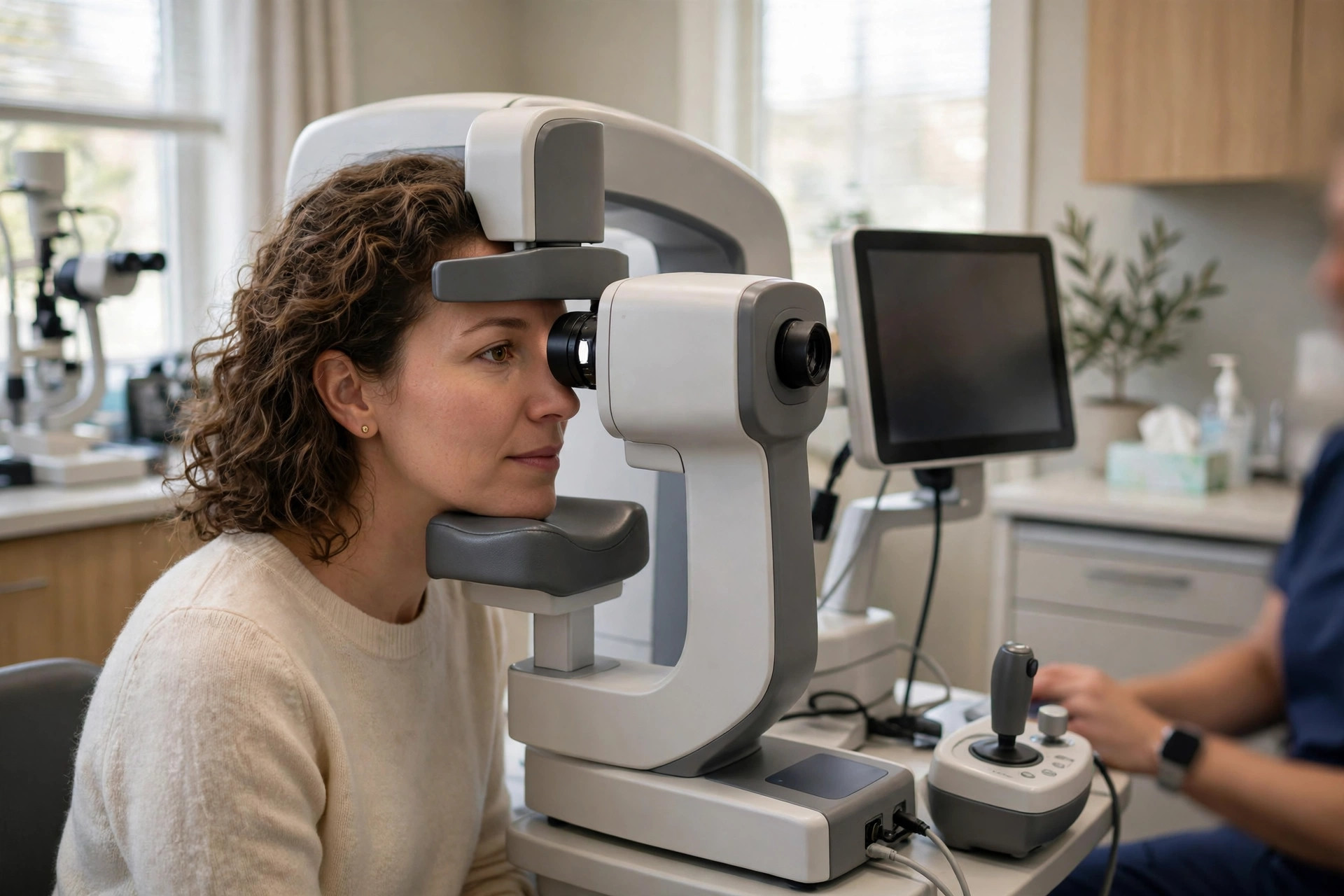 OCT scan (optical coherence tomography)Eyes
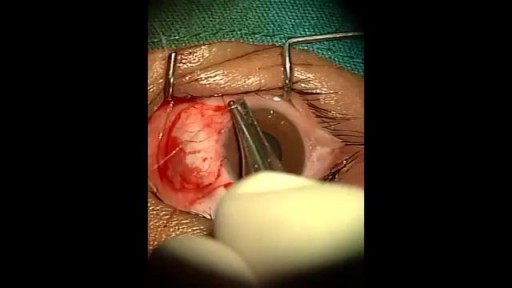 Pterygium excisionEyes
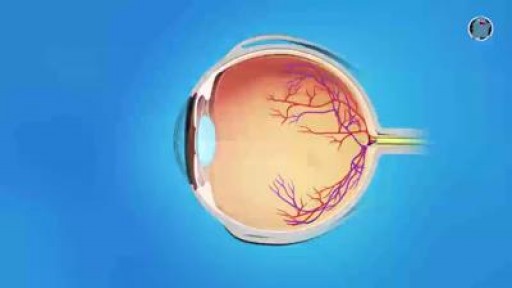 Retinal laser (photocoagulation)Eyes
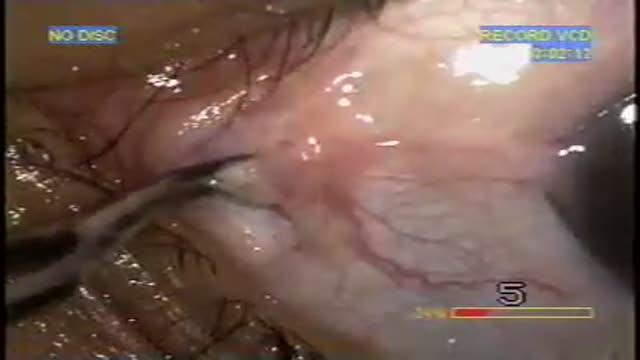 Strabismus (squint) surgeryEyes
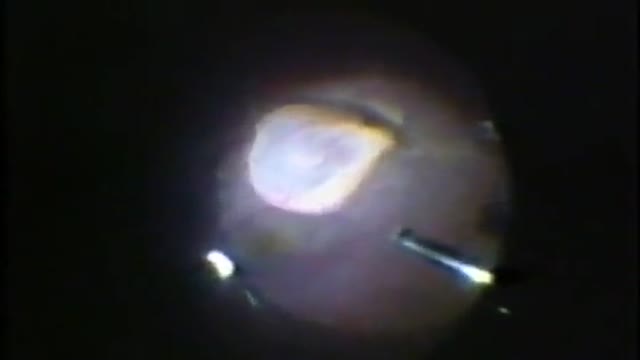 VitrectomyEyes
| Procedure / test | Category | What it is |
|---|---|---|
| Cataract surgery (phacoemulsification) | Eyes | Cataract surgery removes the eye's cloudy natural lens (the cataract) and replaces it with a clear artificial lens implant. The modern technique (phacoemulsification) uses ultrasound through a tiny cut to break up and remove the lens. |
| Corneal cross-linking | Eyes | Corneal cross-linking strengthens a weak, bulging cornea (keratoconus) using riboflavin (vitamin B2) eye drops activated by ultraviolet light, which stiffens the corneal tissue and usually halts progression. |
| Entropion / ectropion repair | Eyes | Entropion is an eyelid (usually lower) that turns inwards so lashes rub the eye; ectropion is a lid that turns outwards, leaving the eye exposed and watery. Both are repaired with small eyelid-tightening operations, usually under local anaesthetic. |
| Eye examination under anaesthetic / EUA and probing for blocked tear duct in children | Eyes | In young children, some eye checks and simple procedures need a short general anaesthetic. Two common examples are a full examination under anaesthetic (to measure, photograph and examine eyes that cannot be assessed in clinic) and probing of a blocked tear duct that has not cleared with massage and time. |
| Eyelid surgery (blepharoplasty / ptosis repair) | Eyes | Eyelid surgery includes blepharoplasty (removing excess skin and fat from hooded upper lids, sometimes also lower lids) and ptosis repair (tightening the muscle that lifts a drooping upper eyelid). When drooping skin or lid position blocks vision, surgery is functional as well as cosmetic. |
| Fundus fluorescein angiography (FFA) | Eyes | Fluorescein angiography photographs the circulation of the retina: a yellow dye (fluorescein) is injected into an arm vein and a special camera takes a rapid series of pictures as the dye flows through the retinal blood vessels, showing leaks, blockages and abnormal new vessels. |
| Glaucoma laser (SLT / iridotomy) | Eyes | Two common glaucoma lasers: selective laser trabeculoplasty (SLT) applies gentle laser pulses to the eye's drainage tissue to improve fluid outflow and lower pressure in open-angle glaucoma. Laser peripheral iridotomy makes a tiny hole in the iris to prevent or treat angle-closure glaucoma. |
| Intravitreal injection (anti-VEGF) | Eyes | An intravitreal injection places a small amount of medicine directly into the gel (vitreous) inside the eye. Anti-VEGF medicines block abnormal blood-vessel growth and leakage in the retina; steroid implants are used for some other conditions. |
| Laser eye treatment (YAG capsulotomy) | Eyes | After cataract surgery, the thin membrane that holds the new lens can gradually cloud over and blur vision again (posterior capsule opacification). YAG laser capsulotomy makes a small opening in that cloudy membrane with a focused laser, restoring a clear path for light. |
| OCT scan (optical coherence tomography) | Eyes | OCT is a quick, non-contact scan that uses light waves to build a cross-section picture of the retina (and can also image the cornea and optic nerve), showing its layers in microscopic detail. |
| Pterygium excision | Eyes | A pterygium is a fleshy, wing-shaped growth of surface tissue onto the cornea, associated with sun and dust exposure. Excision removes it, usually together with a small graft of healthy surface tissue (conjunctival autograft) to reduce recurrence. |
| Retinal laser (photocoagulation) | Eyes | Retinal laser treatment (photocoagulation) uses a focused laser to make tiny, controlled burns in the retina. Patterns vary: scattered treatment (panretinal) for abnormal new blood vessels in diabetic eye disease, focal treatment for leaking areas, and sealing treatment around retinal tears to prevent detachment. |
| Strabismus (squint) surgery | Eyes | Strabismus surgery adjusts the position or tension of the muscles that move the eye to improve alignment of the eyes. Muscles are weakened (moved back), strengthened (shortened) or repositioned through small openings in the eye's surface covering. |
| Vitrectomy | Eyes | Vitrectomy is surgery inside the eye in which the gel (vitreous) is removed through tiny ports and the retina is treated directly — for example reattaching a detached retina, peeling membranes, or clearing blood that will not settle. |
Please note: This page is educational information about a medical procedure or test. It does not replace the instructions of your own care team, who know your situation and whose preparation, fasting and medication advice you should follow if it differs from anything here. If you have symptoms that worry you, or an appointment you do not understand, contact your clinical team.