
- Physical Examination
- Surgical Examination
- Ophthalmology
- Clinical Skills
- Orthopedics
- Surgery Videos
- Laparoscopy
- Pediatrics
- Funny Videos
- Cardiothoracic Surgery
- Nursing Videos
- Plastic Surgery
- Otorhinolaryngology
- Histology and Histopathology
- Neurosurgery
- Dermatology
- Pediatric Surgery
- Urology
- Dentistry
- Oncology and Cancers
- Anatomy Videos
- Health and Fitness
- Radiology
- Anaesthesia
- Physical Therapy
- Pharmacology
- Interventional Radiology
- Cardiology
- Endocrinology
- Gynecology
- Emergency Medicine
- Psychiatry and Psychology
- Childbirth Videos
- General Medical Videos
- Nephrology
- Physiology
- Diet and Food Health
- Diabetes Mellitus
- Neurology
- Women Health
- Osteoporosis
- Gastroenterology
- Pulmonology
- Hematology
- Rheumatology
- Toxicology
- Nuclear Medicine
- Infectious Diseases
- Vascular Disease
- Reproductive Health
- Burns and Wound Healing
- Kidney Zone Podcast
- Other
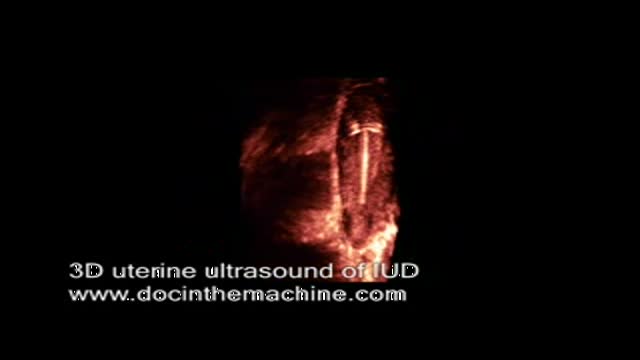
IUD / IUS fitting (coil)
Category: Women's Health & Childbirth · All women's health & childbirth
What it is
Fitting a coil places a small T-shaped device inside the womb. A copper IUD works without hormones; an IUS (hormonal coil) releases a small amount of progestogen locally. Both are long-acting reversible contraception, and the IUS is also a treatment for heavy periods.
Why it is done
A coil is chosen for highly effective contraception lasting several years, emergency contraception (copper IUD), or — for the hormonal coil — managing heavy menstrual bleeding.
How to prepare
You must not be pregnant; a test may be done. Screening for infections may be offered, especially if you are at higher risk. Taking a simple painkiller beforehand can help. Tell the clinician about allergies, previous difficult fittings and any womb abnormalities known from scans.
What happens during the procedure
You lie on a couch as for a smear test. A speculum is inserted, the cervix is steadied, the womb length is measured with a thin sound, and the device is placed through the cervix in its applicator. Fitting takes about 5 to 10 minutes and usually causes short-lived cramping.
Afterwards — recovery & results
Cramping and light spotting for a few days are common. You will be taught to feel for the threads after each period (or shown how they feel at fitting). The copper IUD works immediately; the IUS timing depends on when in the cycle it is fitted, which the clinician will explain. A follow-up is arranged if threads cannot be felt or for any concerns.
Risks & considerations
Risks include the device being expelled (most likely in the first months), infection in the first few weeks, embedding in the womb wall, and rarely perforation of the womb at fitting (uncommon, higher soon after childbirth or while breastfeeding). If a pregnancy occurs with a coil, seek advice promptly as ectopic risk is proportionally higher.
Watch: IUD / IUS fitting (coil) videos
Real procedure videos from the MedicalVideos.com library. Some clinical footage is graphic — that is the nature of a medical video library.
Related guides on MedicalVideos.com
Frequently asked questions
Does fitting hurt?
Most people describe strong period-type cramps for a minute or two. Painkillers beforehand and a supportive clinician make a real difference; local anaesthetic gel or injection into the cervix is also available in many clinics.
How do I know it is still in place?
You check for the soft threads at the top of the vagina. If you cannot feel them, use other contraception and book a check — an ultrasound can locate the device.
Related procedures — Women's Health & Childbirth
Browse the I section of the A–Z list or return to the Procedures & Tests hub.