
- Physical Examination
- Surgical Examination
- Ophthalmology
- Clinical Skills
- Orthopedics
- Surgery Videos
- Laparoscopy
- Pediatrics
- Funny Videos
- Cardiothoracic Surgery
- Nursing Videos
- Plastic Surgery
- Otorhinolaryngology
- Histology and Histopathology
- Neurosurgery
- Dermatology
- Pediatric Surgery
- Urology
- Dentistry
- Oncology and Cancers
- Anatomy Videos
- Health and Fitness
- Radiology
- Anaesthesia
- Physical Therapy
- Pharmacology
- Interventional Radiology
- Cardiology
- Endocrinology
- Gynecology
- Emergency Medicine
- Psychiatry and Psychology
- Childbirth Videos
- General Medical Videos
- Nephrology
- Physiology
- Diet and Food Health
- Diabetes Mellitus
- Neurology
- Women Health
- Osteoporosis
- Gastroenterology
- Pulmonology
- Hematology
- Rheumatology
- Toxicology
- Nuclear Medicine
- Infectious Diseases
- Vascular Disease
- Reproductive Health
- Burns and Wound Healing
- Kidney Zone Podcast
- Other
Joint injection (corticosteroid / hyaluronic acid)
Category: Minor Procedures, Injections & Pain Relief · All minor procedures, injections & pain relief
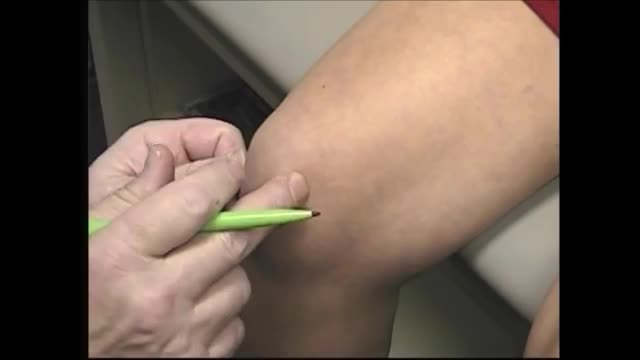
What it is
A joint injection places medicine directly into a joint space: corticosteroid to dampen inflammation (for arthritis flare or bursitis), or hyaluronic acid (a joint-lubricant preparation) mainly for knee osteoarthritis. Injections are often ultrasound-guided to confirm placement.
Why it is done
Indications include inflammatory joint pain and swelling, osteoarthritis flare in the knee or shoulder, frozen shoulder, bursitis (for example subacromial or trochanteric), and tendinopathies such as tennis elbow.
How to prepare
Tell the clinician about allergies, blood thinners, diabetes (steroid can raise blood sugar temporarily), infection, previous joint replacement, and any fever — a hot, infected joint must not be injected. A urine test or bloods may precede some injections. No fasting is needed.
What happens during the procedure
After cleaning the skin, the needle enters the joint — often with ultrasound guidance. Local anaesthetic is commonly mixed in, so pain may ease immediately (steroid benefit follows over days to a week). A small plaster covers the site. The procedure takes about 10 minutes.
Afterwards — recovery & results
Rest the joint for a day or two and avoid strenuous use. A steroid 'flare' (worse pain for 24 to 48 hours) can occur; paracetamol and ice help. You will be advised how long before judging effect and how often injections can be repeated (usually limited to a few per year per joint).
Risks & considerations
Risks include infection of the joint (rare but serious — report increasing pain, swelling or fever), bleeding, skin lightening or thinning at the site, temporary blood sugar rise, and a small risk of tendon weakening near injection sites. Repeated injections can affect cartilage health, so frequency is limited.
Watch: Joint injection (corticosteroid / hyaluronic acid) videos
Real procedure videos from the MedicalVideos.com library. Some clinical footage is graphic — that is the nature of a medical video library.
Related guides on MedicalVideos.com
Frequently asked questions
How long does the effect last?
Steroid relief varies from weeks to months; for knee osteoarthritis it commonly helps for about two to three months. Hyaluronic acid benefit, when present, may last somewhat longer in some people.
Can I drive home?
Usually yes after a knee injection, but avoid driving if the injection was in the shoulder or if you are sore or anxious — arrange a lift if in doubt.
Related procedures — Minor Procedures, Injections & Pain Relief
Browse the J section of the A–Z list or return to the Procedures & Tests hub.