
- Physical Examination
- Surgical Examination
- Ophthalmology
- Clinical Skills
- Orthopedics
- Surgery Videos
- Laparoscopy
- Pediatrics
- Funny Videos
- Cardiothoracic Surgery
- Nursing Videos
- Plastic Surgery
- Otorhinolaryngology
- Histology and Histopathology
- Neurosurgery
- Dermatology
- Pediatric Surgery
- Urology
- Dentistry
- Oncology and Cancers
- Anatomy Videos
- Health and Fitness
- Radiology
- Anaesthesia
- Physical Therapy
- Pharmacology
- Interventional Radiology
- Cardiology
- Endocrinology
- Gynecology
- Emergency Medicine
- Psychiatry and Psychology
- Childbirth Videos
- General Medical Videos
- Nephrology
- Physiology
- Diet and Food Health
- Diabetes Mellitus
- Neurology
- Women Health
- Osteoporosis
- Gastroenterology
- Pulmonology
- Hematology
- Rheumatology
- Toxicology
- Nuclear Medicine
- Infectious Diseases
- Vascular Disease
- Reproductive Health
- Burns and Wound Healing
- Kidney Zone Podcast
- Other
Lumbar puncture (spinal tap)
Category: Brain, Nerve & Sleep Tests · All brain, nerve & sleep tests
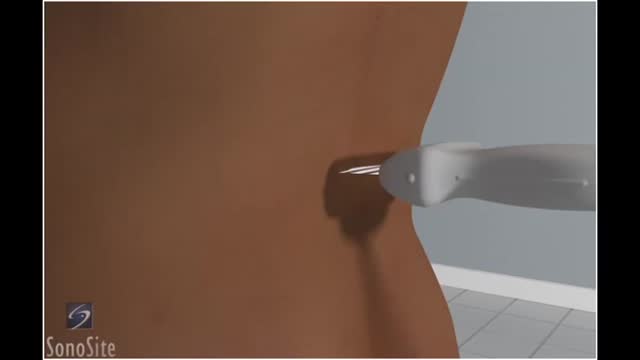
What it is
A lumbar puncture inserts a fine needle into the fluid-filled space around the lower spinal cord (below where the cord ends) to measure pressure and take samples of cerebrospinal fluid (CSF) for testing, and occasionally to give medicines or relieve pressure.
Why it is done
It investigates suspected meningitis and encephalitis, subarachnoid haemorrhage when a scan is negative, inflammatory and demyelinating diseases such as multiple sclerosis, some cancers, and unexplained raised pressure in the skull.
How to prepare
You will have blood tests including clotting; brain imaging is done first when indicated (for example reduced consciousness, seizures, focal signs or suspected raised pressure with certain features). Tell the team about blood thinners, allergies and previous back surgery. Consent covers the post-procedure headache risk.
What happens during the procedure
You lie curled on your side (or sit leaning forward) to open the spaces between the back bones. After cleaning and numbing the skin, the needle is advanced slowly — you may feel pressure and brief shooting sensations down a leg if a nerve root is touched, which usually settles as the needle is adjusted. Pressure is measured and several sample tubes are collected. It takes about 20 to 30 minutes.
Afterwards — recovery & results
You will be observed afterwards and encouraged to drink. A headache that is worse standing and better lying down can develop over the following one to two days (post-dural puncture headache); it usually settles with time, fluids and painkillers, and a blood patch procedure can treat a persistent one. Results come in stages — urgent cell counts and chemistry within hours, cultures and specialist tests over days to weeks.
Risks & considerations
Risks include back soreness, the post-lumbar-puncture headache (a recognised minority), bleeding (especially with clotting problems), infection (rare with sterile technique) and very rarely nerve injury. Brain herniation is guarded against by prior assessment and imaging where indicated.
Watch: Lumbar puncture (spinal tap) videos
Real procedure videos from the MedicalVideos.com library. Some clinical footage is graphic — that is the nature of a medical video library.
Related guides on MedicalVideos.com
Frequently asked questions
Why not just do a scan?
Scans show structure; CSF analysis shows infection, inflammation and bleeding products directly. Many diagnoses — meningitis organisms, MS markers — are only provable from the fluid.
How can I reduce the headache risk?
Modern fine, atraumatic (pencil-point) needles reduce it considerably. Bed rest afterwards has not been shown to prevent it, but staying hydrated and reporting a severe headache early helps.
Related procedures — Brain, Nerve & Sleep Tests
Browse the L section of the A–Z list or return to the Procedures & Tests hub.