
- Physical Examination
- Surgical Examination
- Ophthalmology
- Clinical Skills
- Orthopedics
- Surgery Videos
- Laparoscopy
- Pediatrics
- Funny Videos
- Cardiothoracic Surgery
- Nursing Videos
- Plastic Surgery
- Otorhinolaryngology
- Histology and Histopathology
- Neurosurgery
- Dermatology
- Pediatric Surgery
- Urology
- Dentistry
- Oncology and Cancers
- Anatomy Videos
- Health and Fitness
- Radiology
- Anaesthesia
- Physical Therapy
- Pharmacology
- Interventional Radiology
- Cardiology
- Endocrinology
- Gynecology
- Emergency Medicine
- Psychiatry and Psychology
- Childbirth Videos
- General Medical Videos
- Nephrology
- Physiology
- Diet and Food Health
- Diabetes Mellitus
- Neurology
- Women Health
- Osteoporosis
- Gastroenterology
- Pulmonology
- Hematology
- Rheumatology
- Toxicology
- Nuclear Medicine
- Infectious Diseases
- Vascular Disease
- Reproductive Health
- Burns and Wound Healing
- Kidney Zone Podcast
- Other
Brain, Nerve & Sleep Tests
Tests and procedures of the brain, nerves and sleep: lumbar puncture, EEG and nerve conduction studies, evoked potentials, brain artery ultrasound and carotid surgery, muscle and nerve biopsy, long-term seizure monitoring, and botulinum toxin treatment for spasticity and dystonia.
This page lists all 10 of them in the guide. Open any procedure for preparation, step-by-step what happens, recovery advice and frequently asked questions.
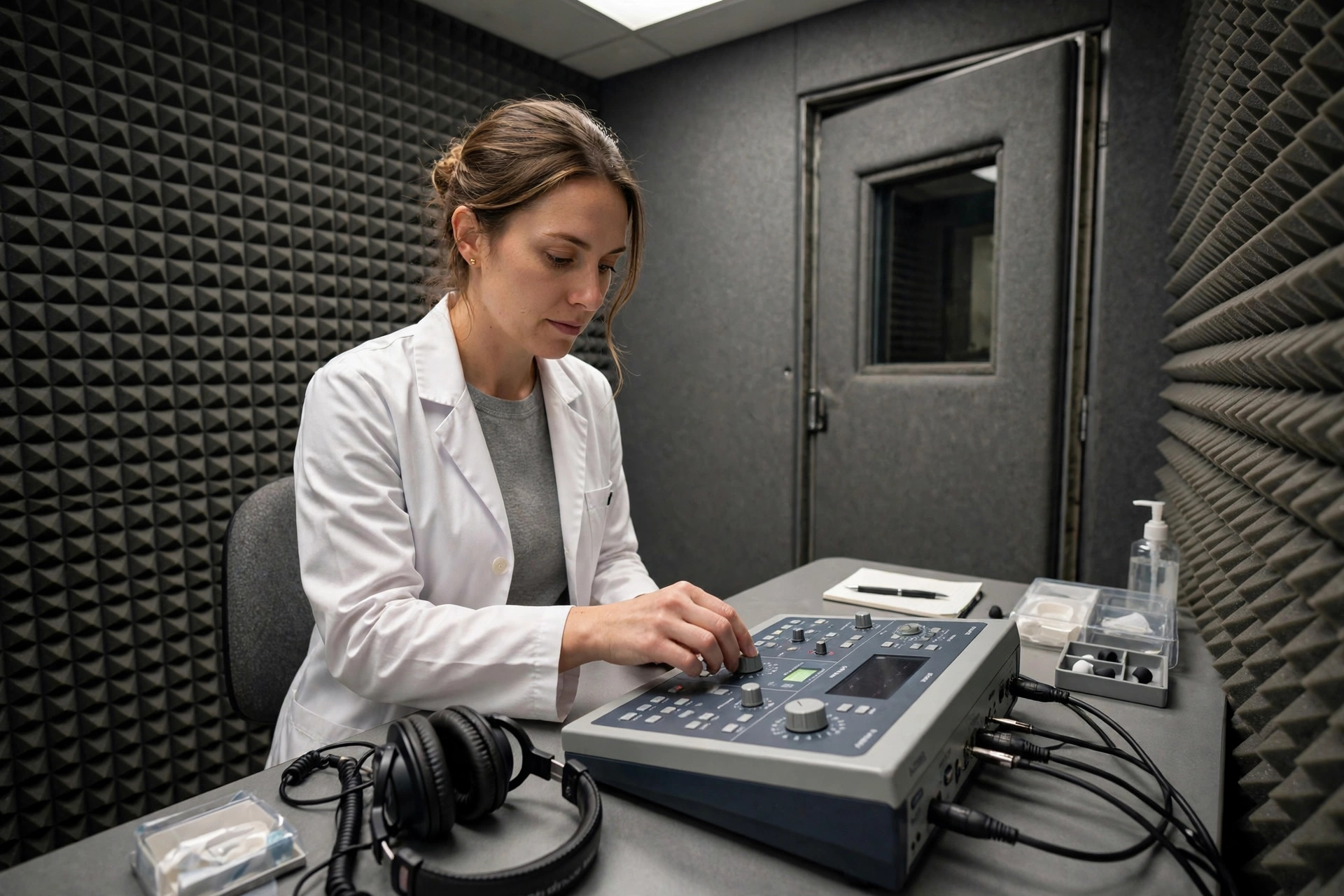 Audiometry (hearing test)Brain & Nerves
 Botulinum toxin injections for spasticity and dystoniaBrain & Nerves
 Carotid endarterectomyBrain & Nerves
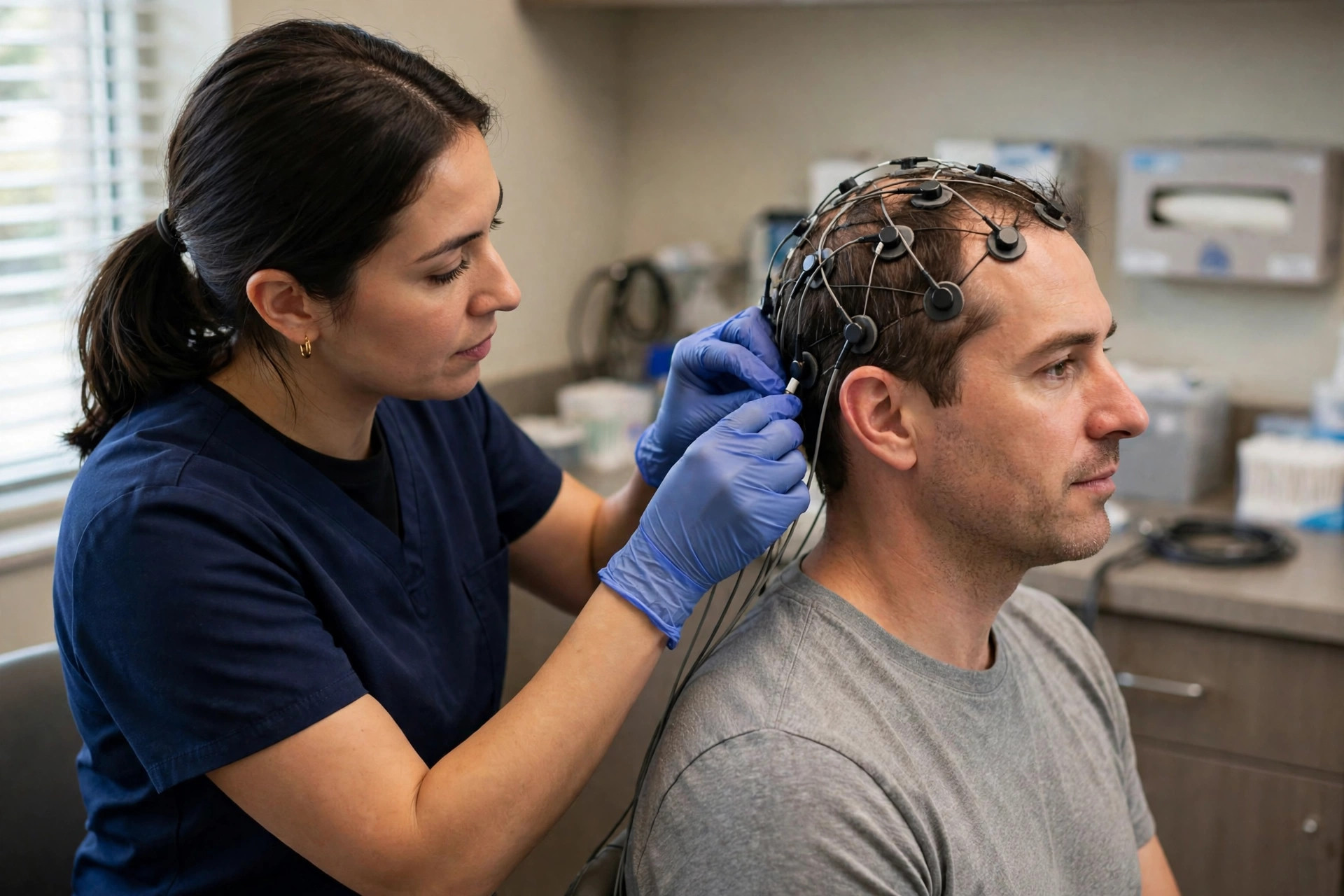 EEG (electroencephalogram)Brain & Nerves
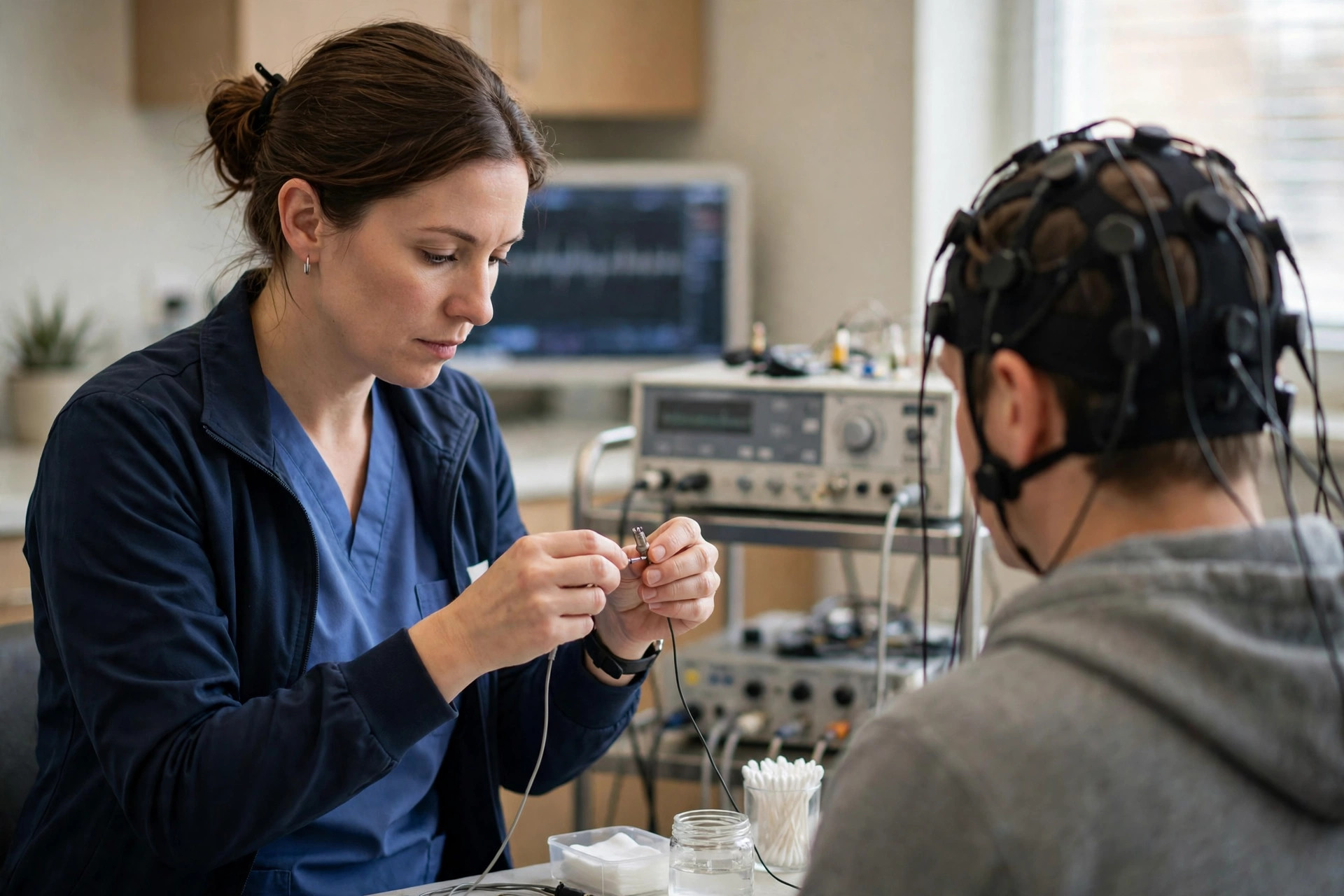 Evoked potentials (VEP / SSEP / BAEP)Brain & Nerves
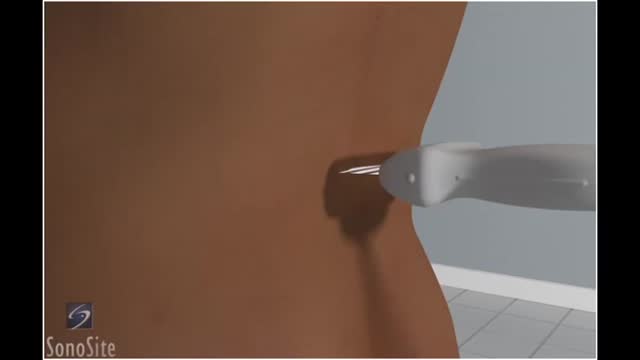 Lumbar puncture (spinal tap)Brain & Nerves
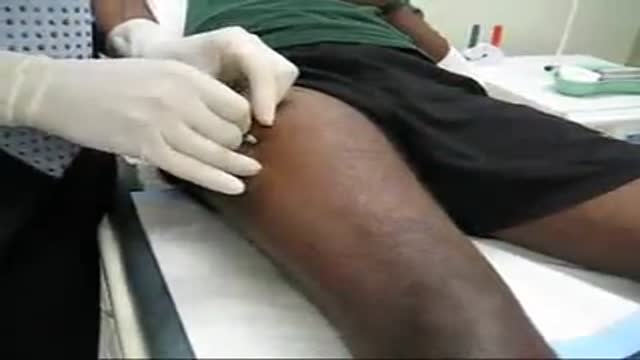 Muscle and nerve biopsyBrain & Nerves
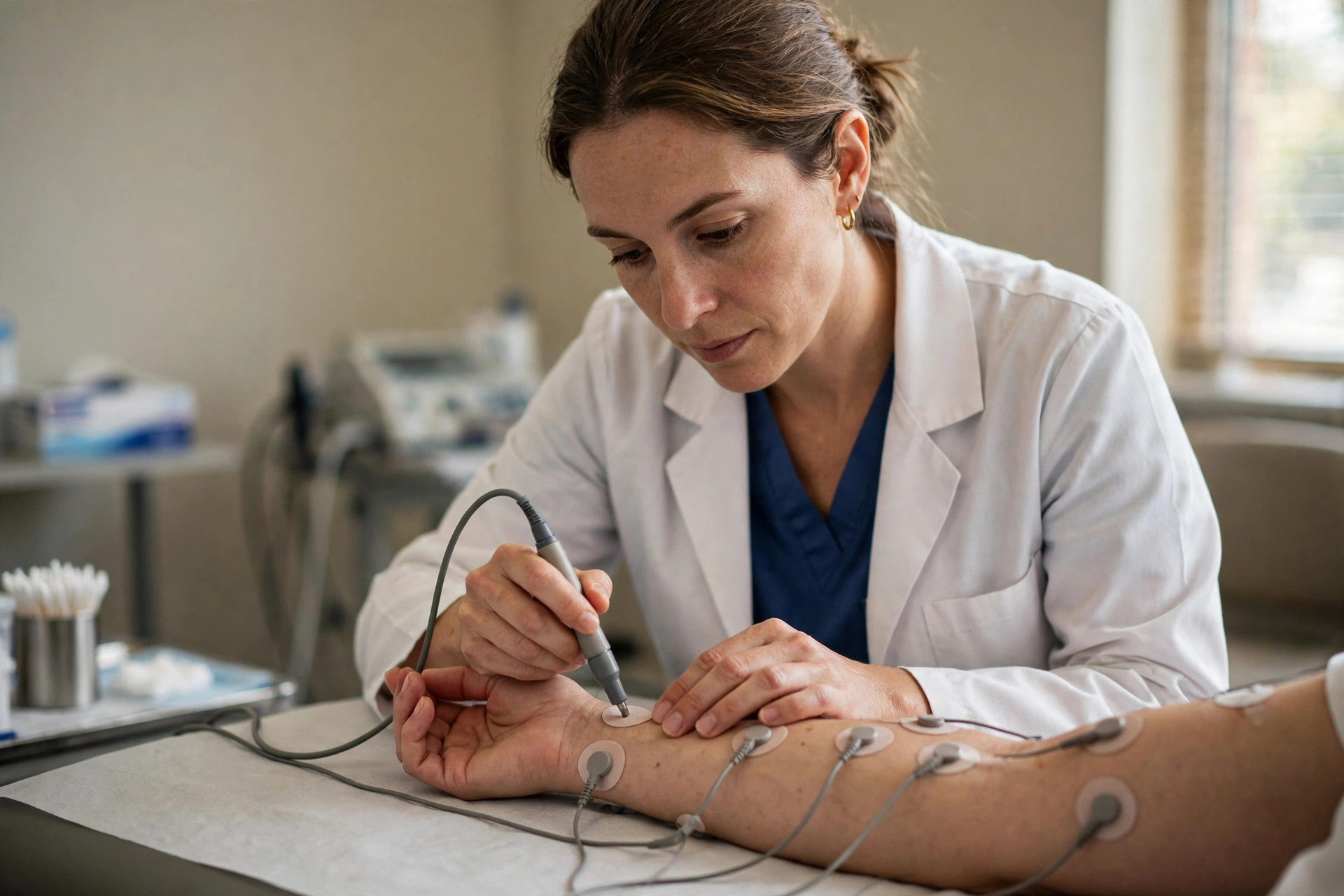 Nerve conduction studies and EMGBrain & Nerves
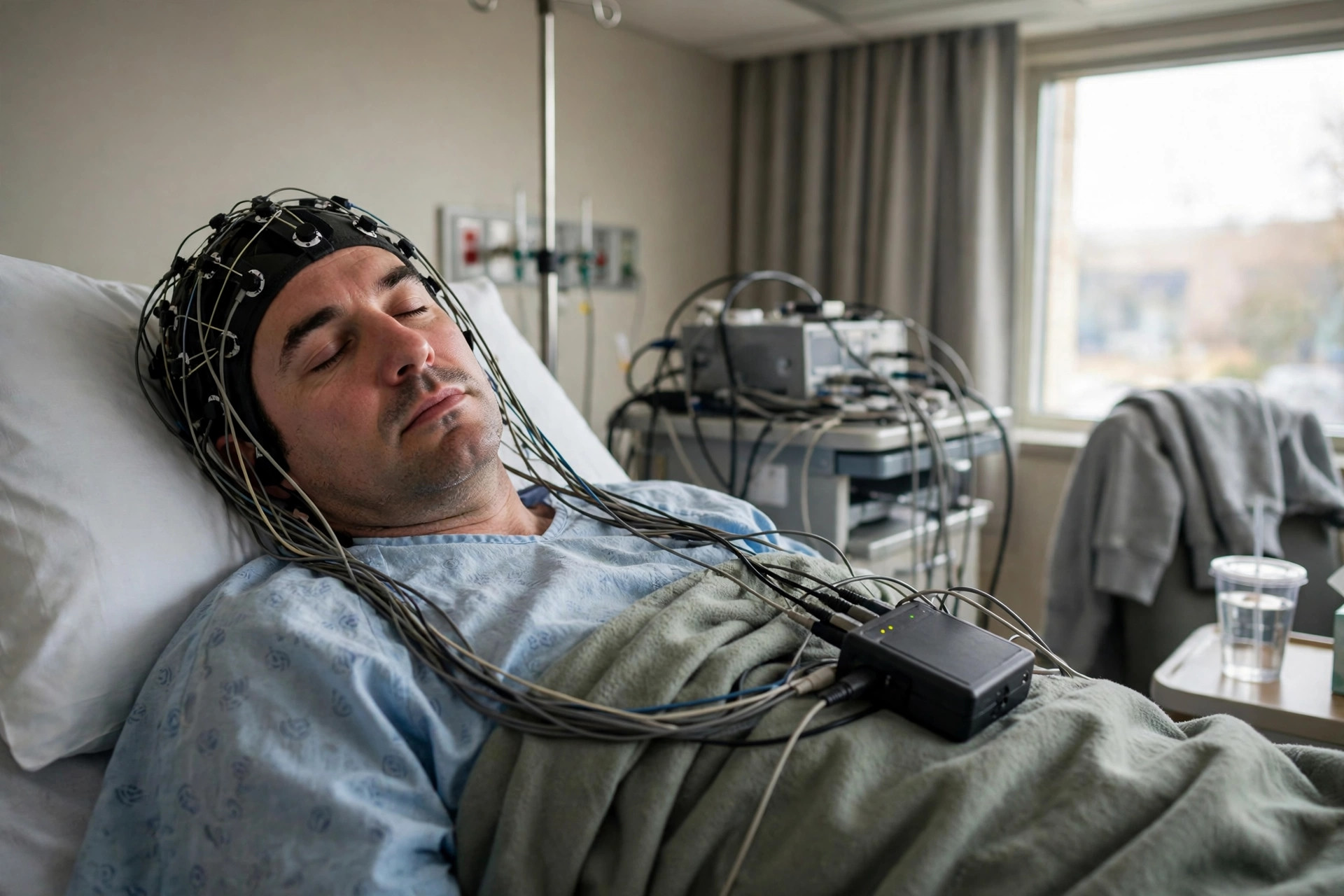 Sleep-deprived and long-term EEG / video telemetryBrain & Nerves
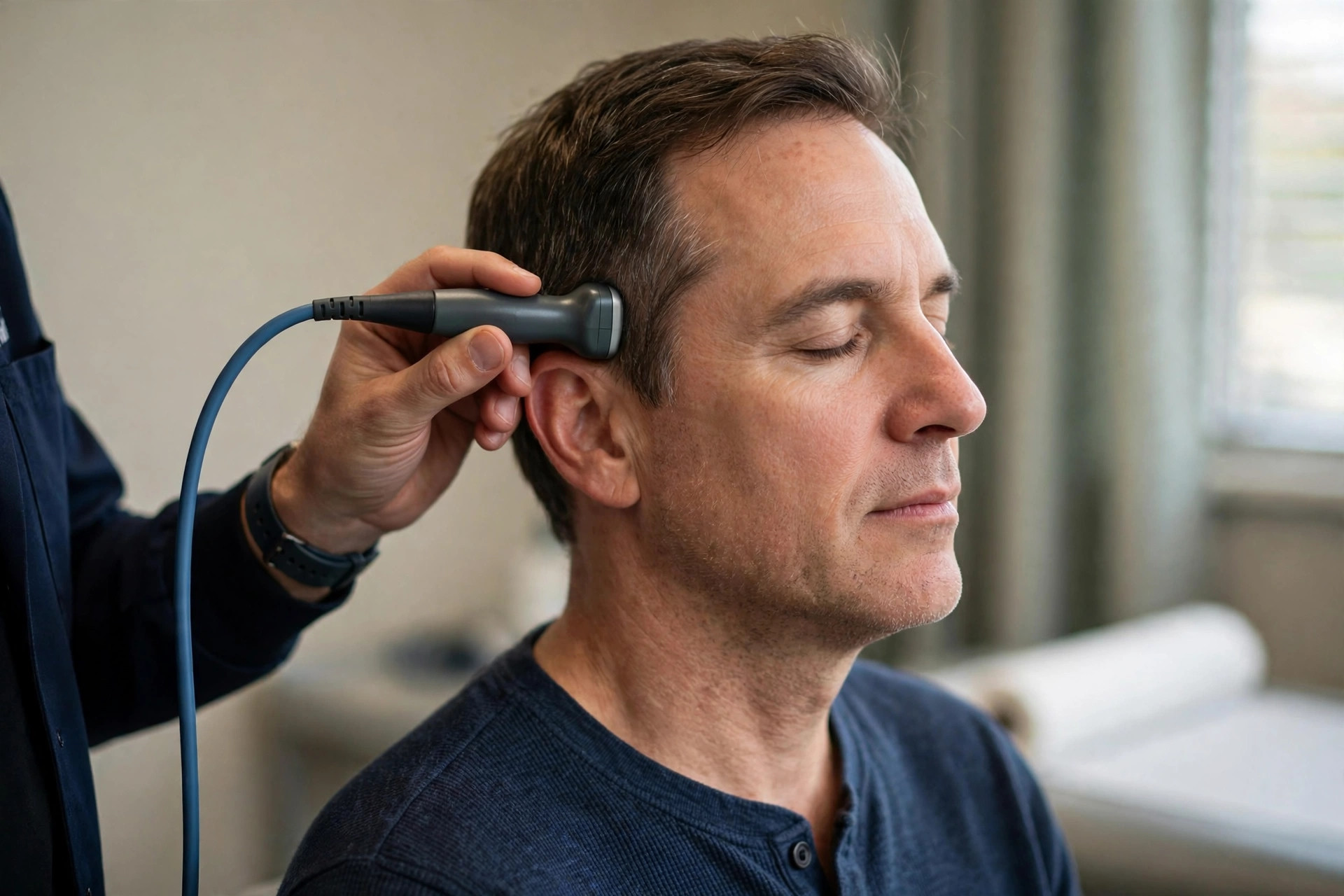 Transcranial DopplerBrain & Nerves
| Procedure / test | Category | What it is |
|---|---|---|
| Audiometry (hearing test) | Brain & Nerves | Audiometry measures hearing thresholds: you listen to tones of different pitches and volumes through headphones (and a bone-conduction vibrator behind the ear) and signal when you just hear them. The results plot an audiogram that distinguishes conductive hearing loss (outer/middle ear) from sensorineural loss (inner ear/nerve). |
| Botulinum toxin injections for spasticity and dystonia | Brain & Nerves | Botulinum toxin injections temporarily weaken overactive muscles. In neurology they are used for spasticity (stiffness after stroke, in multiple sclerosis or cerebral palsy) and dystonia (involuntary muscle contractions, for example in the neck — cervical dystonia — eyelids or writer's cramp), and also for chronic migraine in specialist clinics following defined criteria. |
| Carotid endarterectomy | Brain & Nerves | Carotid endarterectomy is an operation to remove fatty plaque from inside the carotid artery in the neck, restoring smooth blood flow to the brain and reducing stroke risk from that artery. |
| EEG (electroencephalogram) | Brain & Nerves | An EEG records the brain's electrical activity through small electrodes placed on the scalp. It looks for abnormal patterns that help classify seizures and epilepsy, and assess some other brain conditions. |
| Evoked potentials (VEP / SSEP / BAEP) | Brain & Nerves | Evoked potential tests measure how fast signals travel along specific pathways: visual (VEP — eyes to brain, using a chequerboard screen), auditory (BAEP — clicks to the brainstem), and somatosensory (SSEP — limb nerves through the spinal cord to the brain). Slowing reveals damage such as demyelination. |
| Lumbar puncture (spinal tap) | Brain & Nerves | A lumbar puncture inserts a fine needle into the fluid-filled space around the lower spinal cord (below where the cord ends) to measure pressure and take samples of cerebrospinal fluid (CSF) for testing, and occasionally to give medicines or relieve pressure. |
| Muscle and nerve biopsy | Brain & Nerves | A muscle biopsy removes a small piece of muscle (usually from the thigh or upper arm) for microscopic and biochemical analysis when a muscle disease is suspected. A nerve biopsy (usually the sural nerve at the ankle) samples a sensory nerve when a neuropathy's cause remains elusive, such as suspected vasculitis or amyloidosis. |
| Nerve conduction studies and EMG | Brain & Nerves | Nerve conduction studies (NCS) measure how fast and how strongly electrical signals travel along nerves, using surface electrodes and small electrical pulses. EMG (electromyography) uses a fine needle electrode in muscles to listen to their electrical activity, distinguishing nerve problems from muscle problems and pinpointing where a nerve is damaged. |
| Sleep-deprived and long-term EEG / video telemetry | Brain & Nerves | Extended EEG monitoring records brain activity over many hours or days — as an ambulatory recorder worn at home, or as inpatient video-telemetry where EEG and video run together so events can be matched to brain activity. Sleep-deprived EEG is a shorter study after reduced sleep to increase diagnostic yield. |
| Transcranial Doppler | Brain & Nerves | Transcranial Doppler uses ultrasound through the thin bone of the temple to measure blood flow speeds in the brain's major arteries in real time. It can detect narrowing, monitor spasm after brain haemorrhage, find right-to-left shunts (with a bubble test using agitated saline) and monitor for tiny emboli. |
Please note: This page is educational information about a medical procedure or test. It does not replace the instructions of your own care team, who know your situation and whose preparation, fasting and medication advice you should follow if it differs from anything here. If you have symptoms that worry you, or an appointment you do not understand, contact your clinical team.