
- Physical Examination
- Surgical Examination
- Ophthalmology
- Clinical Skills
- Orthopedics
- Surgery Videos
- Laparoscopy
- Pediatrics
- Funny Videos
- Cardiothoracic Surgery
- Nursing Videos
- Plastic Surgery
- Otorhinolaryngology
- Histology and Histopathology
- Neurosurgery
- Dermatology
- Pediatric Surgery
- Urology
- Dentistry
- Oncology and Cancers
- Anatomy Videos
- Health and Fitness
- Radiology
- Anaesthesia
- Physical Therapy
- Pharmacology
- Interventional Radiology
- Cardiology
- Endocrinology
- Gynecology
- Emergency Medicine
- Psychiatry and Psychology
- Childbirth Videos
- General Medical Videos
- Nephrology
- Physiology
- Diet and Food Health
- Diabetes Mellitus
- Neurology
- Women Health
- Osteoporosis
- Gastroenterology
- Pulmonology
- Hematology
- Rheumatology
- Toxicology
- Nuclear Medicine
- Infectious Diseases
- Vascular Disease
- Reproductive Health
- Burns and Wound Healing
- Kidney Zone Podcast
- Other
Manual vacuum aspiration (MVA)
Category: Women's Health & Childbirth · All women's health & childbirth
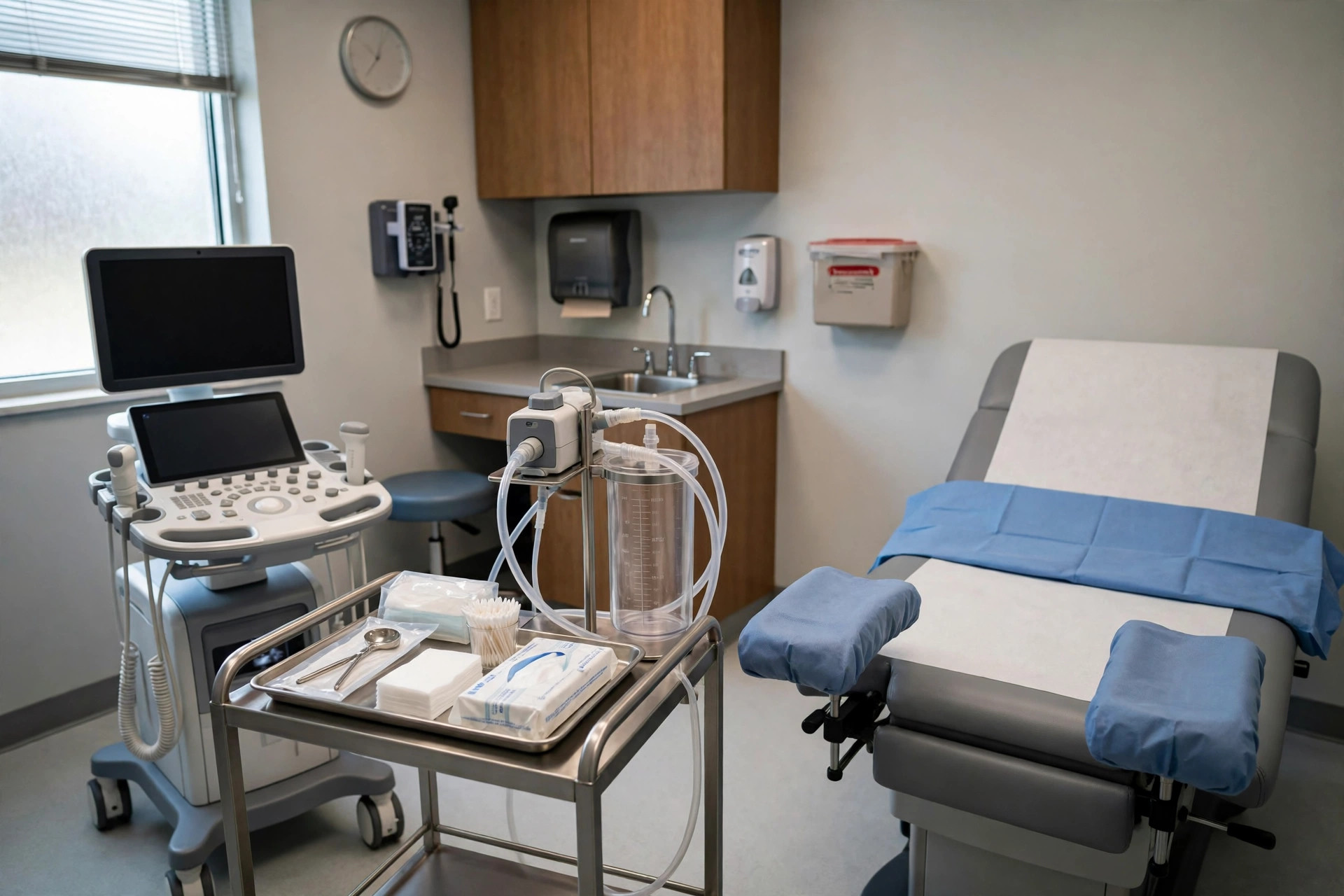
What it is
Manual vacuum aspiration is a method of emptying the womb using a hand-held suction device, performed with local anaesthetic in a clinic setting. It is used for surgical management of miscarriage and for abortion care in early pregnancy, according to local services and law.
Why it is done
It offers a surgical option without general anaesthetic, suitable in early pregnancy (typically up to about 10–12 weeks depending on the service) when you prefer a procedure that is completed quickly at one visit.
How to prepare
You will have an ultrasound to confirm the pregnancy stage, blood tests including blood group, and a consultation about options. A medicine to soften the cervix may be given beforehand. You can usually eat and drink normally.
What happens during the procedure
Local anaesthetic is injected around the cervix (with pain relief and, if wished, anti-anxiety medicine). The cervix is gently opened and the suction device empties the womb; cramping during the few minutes of suction is normal. The tissue is checked to confirm the procedure is complete.
Afterwards — recovery & results
You rest briefly in the clinic and can usually go home within an hour or so, with an escort recommended. Bleeding and cramps settle over days. You will be given contraception advice and follow-up instructions, including a pregnancy test in a few weeks if advised.
Risks & considerations
Risks include infection, bleeding, incomplete emptying needing a further procedure, and rarely perforation of the womb. It has a long safety record in early pregnancy care. Your clinic will give exact figures and aftercare contacts.
Related guides on MedicalVideos.com
Frequently asked questions
How painful is it with local anaesthetic?
Cramping during suction is the main sensation — like strong period pain for a few minutes. Pain relief beforehand and a supportive team help; you can ask about additional options.
How soon can I return to work?
Most people feel able the next day, though allowing a couple of quieter days is sensible.
Related procedures — Women's Health & Childbirth
Browse the M section of the A–Z list or return to the Procedures & Tests hub.