
- Physical Examination
- Surgical Examination
- Ophthalmology
- Clinical Skills
- Orthopedics
- Surgery Videos
- Laparoscopy
- Pediatrics
- Funny Videos
- Cardiothoracic Surgery
- Nursing Videos
- Plastic Surgery
- Otorhinolaryngology
- Histology and Histopathology
- Neurosurgery
- Dermatology
- Pediatric Surgery
- Urology
- Dentistry
- Oncology and Cancers
- Anatomy Videos
- Health and Fitness
- Radiology
- Anaesthesia
- Physical Therapy
- Pharmacology
- Interventional Radiology
- Cardiology
- Endocrinology
- Gynecology
- Emergency Medicine
- Psychiatry and Psychology
- Childbirth Videos
- General Medical Videos
- Nephrology
- Physiology
- Diet and Food Health
- Diabetes Mellitus
- Neurology
- Women Health
- Osteoporosis
- Gastroenterology
- Pulmonology
- Hematology
- Rheumatology
- Toxicology
- Nuclear Medicine
- Infectious Diseases
- Vascular Disease
- Reproductive Health
- Burns and Wound Healing
- Kidney Zone Podcast
- Other
Suturing (stitches) for cuts and wounds
Category: Minor Procedures, Injections & Pain Relief · All minor procedures, injections & pain relief
What it is
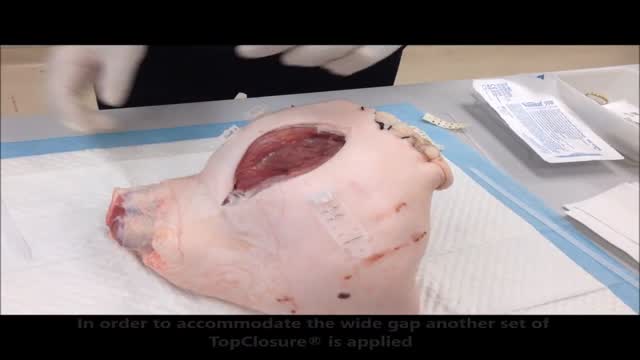
Suturing closes a cut with stitches so the skin edges heal together, used when a wound is deep, gaping, on a cosmetically important area, or likely to keep bleeding. Alternatives for suitable wounds include adhesive strips (Steri-Strips), tissue glue, or staples.
Why it is done
The choice depends on wound depth, location and contamination, time since injury, and your health (for example diabetes or immune suppression affect healing). Old or dirty wounds may be left open or cleaned and closed later.
How to prepare
The wound is examined, cleaned, and checked for foreign bodies and damage to tendons, nerves or vessels nearby. Anaesthetic cream or an injected local anaesthetic numbs the area; a tetanus check is done and antibiotics are considered for contaminated or bite wounds.
What happens during the procedure
After numbing, the skin edges are brought together with individual or continuous stitches placed with a fine needle, then covered with a dressing. The procedure takes 10 to 30 minutes depending on size and site.
Afterwards — recovery & results
Keep the wound clean and dry as instructed. Stitches are removed after about 5 to 14 days depending on the site (face early, joints and lower legs later); dissolving stitches vanish on their own. Watch for spreading redness, increasing pain, discharge, opening of the wound or fever, and seek care promptly if they appear.
Risks & considerations
Risks include infection, wound opening, scarring (location and wound shape affect it), numbness near the wound, and occasionally a retained foreign body if one was missed. Scar appearance improves over months; sun protection helps.
Watch: Suturing (stitches) for cuts and wounds videos
Real procedure videos from the MedicalVideos.com library. Some clinical footage is graphic — that is the nature of a medical video library.
Frequently asked questions
Glue or stitches — which heals better?
For clean, low-tension wounds, glue heals as well as stitches with less pain and no removal visit. Deeper or high-tension wounds still need stitches for strength.
Can I shower with stitches?
Usually a quick shower after the first 24 to 48 hours is fine in most cases, but follow your team's exact advice and avoid baths, pools and soaking until stitches are out.
Related procedures — Minor Procedures, Injections & Pain Relief
Browse the S section of the A–Z list or return to the Procedures & Tests hub.