
- Physical Examination
- Surgical Examination
- Ophthalmology
- Clinical Skills
- Orthopedics
- Surgery Videos
- Laparoscopy
- Pediatrics
- Funny Videos
- Cardiothoracic Surgery
- Nursing Videos
- Plastic Surgery
- Otorhinolaryngology
- Histology and Histopathology
- Neurosurgery
- Dermatology
- Pediatric Surgery
- Urology
- Dentistry
- Oncology and Cancers
- Anatomy Videos
- Health and Fitness
- Radiology
- Anaesthesia
- Physical Therapy
- Pharmacology
- Interventional Radiology
- Cardiology
- Endocrinology
- Gynecology
- Emergency Medicine
- Psychiatry and Psychology
- Childbirth Videos
- General Medical Videos
- Nephrology
- Physiology
- Diet and Food Health
- Diabetes Mellitus
- Neurology
- Women Health
- Osteoporosis
- Gastroenterology
- Pulmonology
- Hematology
- Rheumatology
- Toxicology
- Nuclear Medicine
- Infectious Diseases
- Vascular Disease
- Reproductive Health
- Burns and Wound Healing
- Kidney Zone Podcast
- Other
Wound debridement
Category: Minor Procedures, Injections & Pain Relief · All minor procedures, injections & pain relief
What it is
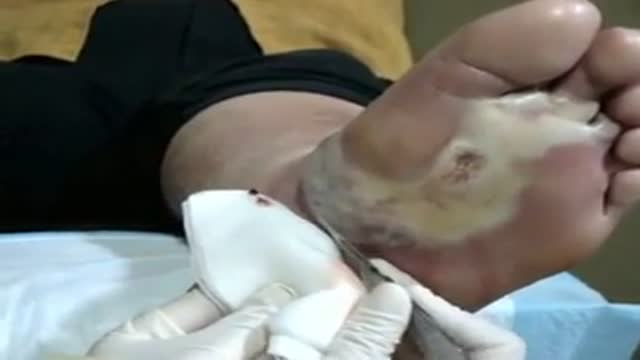
Wound debridement removes dead or infected tissue (slough, necrosis) and biofilm from a wound so healthy healing can proceed. Methods include sharp debridement (scissors/scalpel by a trained clinician), autolytic dressings, larval (maggot) therapy, enzymatic agents and mechanical pads.
Why it is done
It is used for chronic wounds such as leg ulcers, pressure ulcers and diabetic foot ulcers where dead tissue stalls healing and harbours bacteria, and after some injuries and burns.
How to prepare
The wound is assessed for depth, circulation and infection (diabetic foot wounds need vascular and infection assessment as a priority). Tell the team about blood thinners, allergies and pain levels — sharp debridement may need local anaesthetic or analgesia beforehand.
What happens during the procedure
For sharp debridement in clinic, after cleaning (and numbing where needed) the clinician lifts and trims away dead tissue with sterile instruments until healthy tissue is reached; some bleeding is expected and controlled with pressure or dressings. Sessions take about 10 to 30 minutes. Larval therapy applies contained medicinal larvae in a dressing for several days instead.
Afterwards — recovery & results
The wound is redressed with a plan for repeat reviews; debridement is often repeated over weeks as part of wound care, alongside compression (for venous leg ulcers), offloading (for diabetic foot wounds) or pressure relief. Healing progress is measured by wound size tracking.
Risks & considerations
Risks include pain, bleeding, and exposing deeper structures if the wound is deeper than it appeared — which is why assessment and trained operators matter. Debriding a wound with poor blood supply before vascular review can worsen it, so circulation is checked first.
Watch: Wound debridement videos
Real procedure videos from the MedicalVideos.com library. Some clinical footage is graphic — that is the nature of a medical video library.
Related guides on MedicalVideos.com
Frequently asked questions
Do maggots really help wounds?
Yes — medicinal larvae selectively digest dead tissue and disinfect the wound, and are an accepted option especially for sloughy wounds when sharp debridement is unsuitable or incomplete. They are applied in a contained dressing.
Why does my ulcer need repeated debridement?
Dead tissue and biofilm re-form as part of chronic wounds. Regular removal keeps the wound bed in a state where healing mechanisms and dressings can work.
Related procedures — Minor Procedures, Injections & Pain Relief
Browse the W section of the A–Z list or return to the Procedures & Tests hub.