
- Physical Examination
- Surgical Examination
- Ophthalmology
- Clinical Skills
- Orthopedics
- Surgery Videos
- Laparoscopy
- Pediatrics
- Funny Videos
- Cardiothoracic Surgery
- Nursing Videos
- Plastic Surgery
- Otorhinolaryngology
- Histology and Histopathology
- Neurosurgery
- Dermatology
- Pediatric Surgery
- Urology
- Dentistry
- Oncology and Cancers
- Anatomy Videos
- Health and Fitness
- Radiology
- Anaesthesia
- Physical Therapy
- Pharmacology
- Interventional Radiology
- Cardiology
- Endocrinology
- Gynecology
- Emergency Medicine
- Psychiatry and Psychology
- Childbirth Videos
- General Medical Videos
- Nephrology
- Physiology
- Diet and Food Health
- Diabetes Mellitus
- Neurology
- Women Health
- Osteoporosis
- Gastroenterology
- Pulmonology
- Hematology
- Rheumatology
- Toxicology
- Nuclear Medicine
- Infectious Diseases
- Vascular Disease
- Reproductive Health
- Burns and Wound Healing
- Kidney Zone Podcast
- Other
Blood Pressure Checks in Pregnancy (Preeclampsia)
Blood pressure is measured throughout pregnancy because dangerous rises can develop silently. The USPSTF recommends BP screening across pregnancy for hypertensive disorders, including preeclampsia (grade B).
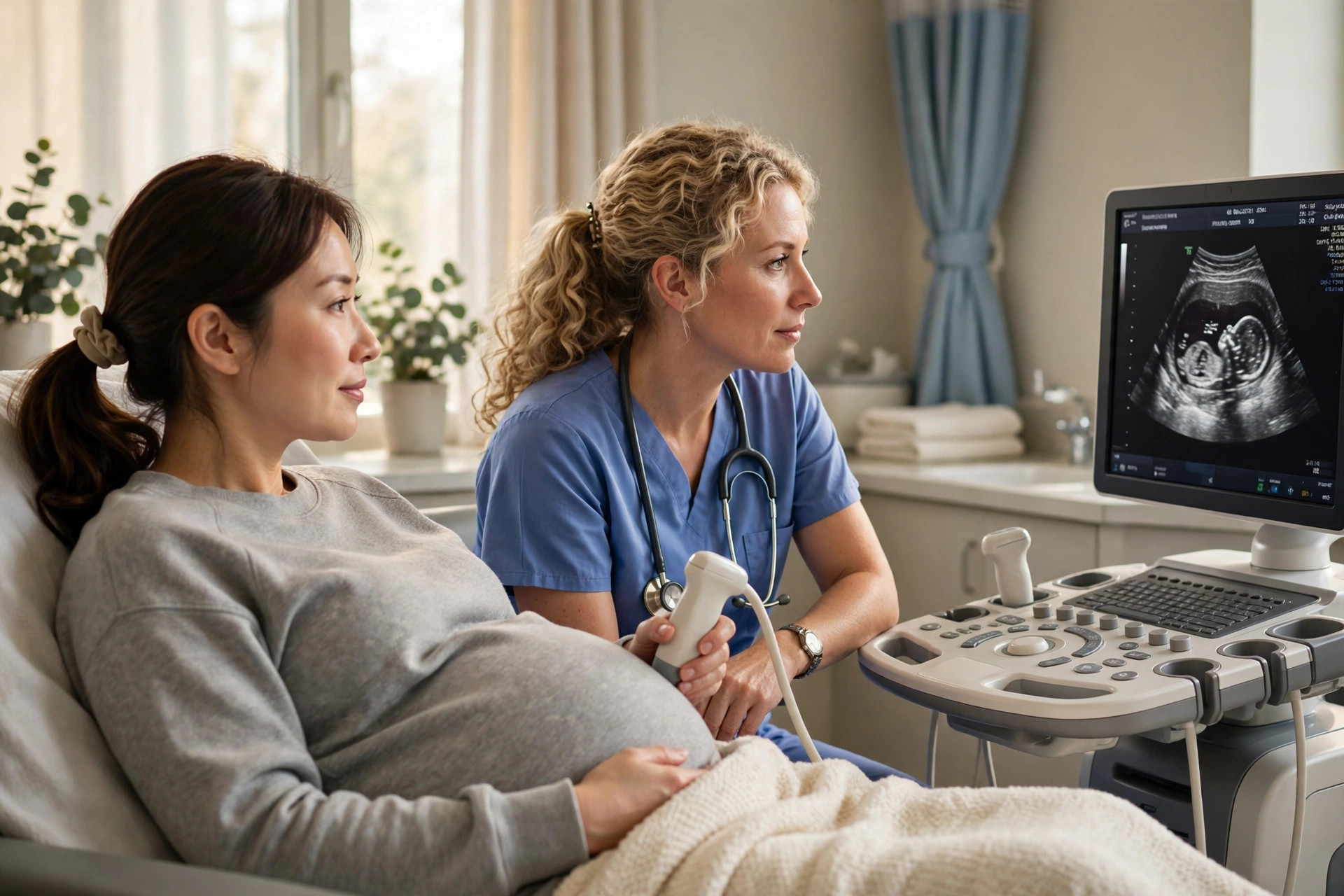
Hypertensive disorders of pregnancy — including preeclampsia — are a leading cause of serious complications for mothers and babies, and they often develop without symptoms. That is why blood pressure is measured at prenatal visits throughout pregnancy, not just at the start.
The USPSTF recommends screening for hypertensive disorders of pregnancy with blood pressure measurements throughout pregnancy (grade B). The check is the same cuff measurement used outside pregnancy; in pregnancy it is repeated on a schedule because risk rises as pregnancy progresses.
What this screening checks
- Your blood pressure at every prenatal visit, watched as a trend across pregnancy rather than as one-off readings.
- If readings rise, follow-up checks usually include urine testing for protein and blood tests — the combination is what identifies preeclampsia.
- Some services also use home blood pressure monitoring in pregnancy; ask your team if that is part of your care.
Who should have it, and how often
All pregnant persons, throughout pregnancy — the recommendation has no exceptions, because hypertensive disorders can arise in any pregnancy.
Risk is higher in a first pregnancy, with twins or more, with pre-existing high blood pressure, diabetes or kidney disease, in older mothers, and if you had preeclampsia in a previous pregnancy. If that is you, expect closer monitoring.
Headaches that do not settle, visual changes, pain high in the abdomen, sudden swelling or reduced baby movements are warning signs at any stage: contact your maternity service the same day rather than waiting for the next scheduled check.
What happens during the test
- At each prenatal visit, you sit and rest briefly, and a cuff on your upper arm measures your blood pressure — the same quick, painless test as outside pregnancy.
- A raised reading is repeated, often after a short rest, because single readings can mislead.
- Persistently raised readings trigger the follow-up pathway: urine and blood tests, checks of the baby's growth, and a monitoring plan agreed with you.
How to prepare
- No preparation is needed; just allow a few minutes to sit and settle before the reading.
- Wear clothing with sleeves that can be rolled up easily, or short sleeves.
- Keep your appointment schedule even when you feel well — the point of the checks is that these disorders are silent until late.
What the results mean
Most readings throughout pregnancy stay normal, and the checks simply continue. A rising trend is acted on early — with more frequent monitoring, and treatment where needed — which is what makes outcomes so much better than when preeclampsia is found late.
If preeclampsia is diagnosed, care moves to a specialist team; the timing of delivery becomes part of the plan, because delivery is what ultimately resolves the condition.
Benefits
- Detects a dangerous, silent condition early enough to change its course.
- Uses the simplest test in medicine — a cuff reading — repeated on a schedule.
- Protects both mother and baby: monitoring guides the timing of delivery and other care.
Limits and possible harms
- Anxiety when a reading is high, even though many raised readings settle on repeat.
- Extra appointments and monitoring once readings rise, which can be disruptive.
- A normal reading early in pregnancy does not guarantee later readings stay normal — hence screening throughout pregnancy.
Useful links and tools
More in Women's Health & Pregnancy
- Gestational Diabetes Screening
- Intimate Partner Violence Screening
- Folic Acid Before Pregnancy
- Healthy Weight Gain in Pregnancy
Frequently asked questions
Why is blood pressure checked at every pregnancy visit?
Because hypertensive disorders of pregnancy, including preeclampsia, can develop at any stage and usually cause no symptoms until they are advanced. The USPSTF recommends blood pressure measurement throughout pregnancy (grade B, 2023) so a rising trend is caught and acted on early.
What happens if my blood pressure is high at a check?
The reading is repeated after rest, because one high reading is not a diagnosis. If it stays raised, you will usually have urine and blood tests and checks of the baby's growth, and your team will agree a monitoring plan — more frequent visits, possibly home readings, and treatment or delivery planning if preeclampsia is confirmed.
This guide explains how a screening test usually works and who it is generally offered to. It is general educational information only — not medical advice, and not a recommendation for you personally. Screening decisions depend on your age, history and risk, so talk to your own clinician about which tests you need and when. If you have symptoms now, do not wait for a screening test — seek medical care promptly.