
- Physical Examination
- Surgical Examination
- Ophthalmology
- Clinical Skills
- Orthopedics
- Surgery Videos
- Laparoscopy
- Pediatrics
- Funny Videos
- Cardiothoracic Surgery
- Nursing Videos
- Plastic Surgery
- Otorhinolaryngology
- Histology and Histopathology
- Neurosurgery
- Dermatology
- Pediatric Surgery
- Urology
- Dentistry
- Oncology and Cancers
- Anatomy Videos
- Health and Fitness
- Radiology
- Anaesthesia
- Physical Therapy
- Pharmacology
- Interventional Radiology
- Cardiology
- Endocrinology
- Gynecology
- Emergency Medicine
- Psychiatry and Psychology
- Childbirth Videos
- General Medical Videos
- Nephrology
- Physiology
- Diet and Food Health
- Diabetes Mellitus
- Neurology
- Women Health
- Osteoporosis
- Gastroenterology
- Pulmonology
- Hematology
- Rheumatology
- Toxicology
- Nuclear Medicine
- Infectious Diseases
- Vascular Disease
- Reproductive Health
- Burns and Wound Healing
- Kidney Zone Podcast
- Other
Healthy Weight Gain in Pregnancy
Gaining too little or too much in pregnancy both carry risks. The USPSTF recommends behavioral counseling interventions to support healthy weight gain during pregnancy (grade B).
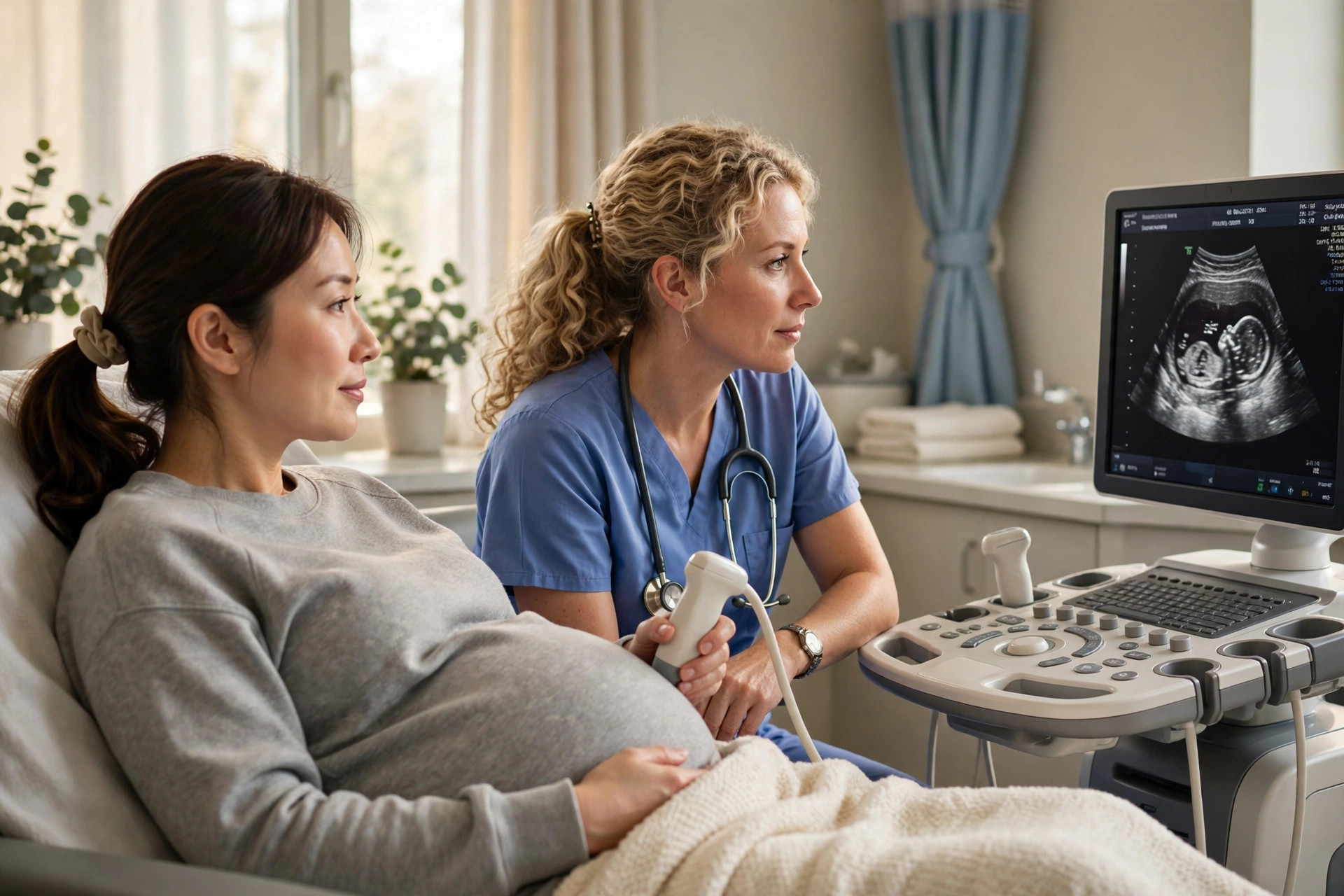
Weight gain in pregnancy is expected and necessary — but the amount matters. Gaining far more than recommended raises the chances of gestational diabetes, high blood pressure, a large baby and caesarean birth; gaining too little raises the chance of a small, early baby. Support, not willpower lectures, is what the evidence backs.
The USPSTF recommends behavioral counseling interventions aimed at promoting healthy weight gain during pregnancy (grade B). In practice that means your weight is followed at prenatal visits and you are offered practical support — food, activity and habit strategies — tailored to you.
What this screening checks
- Your weight at the booking visit and across pregnancy, interpreted against your starting BMI and stage of pregnancy.
- Alongside it, the connected screens in this section: blood pressure at every visit, and the gestational diabetes test at or after 24 weeks.
Who should have it, and how often
All pregnant persons — the recommendation is not limited to those who start pregnancy at a higher weight, because healthy gain matters at every starting size.
The amount of gain considered healthy depends on your BMI before pregnancy; your maternity team will frame your personal range rather than a single number for everyone.
If eating or weight is a source of distress — including a past eating disorder — tell your team early; support can be adapted, and weighing can be handled in the way you agree together.
What happens during the test
- You are weighed at your first prenatal appointment, and your starting BMI is recorded.
- At follow-up visits, weight gain is reviewed as a trend, and counseling covers practical strategies: meal patterns, drinks and snacks, activity that is safe in pregnancy, sleep and routines.
- Where available, structured programmes, dietitian referral or group support provide the repeated contact that makes counseling effective.
How to prepare
- Wear similar, light clothing for weigh-ins so the trend is meaningful.
- If you are tracking food or activity already, bring it — patterns are easier to adjust than to guess.
- Ask your team what total gain range they advise for your starting BMI, so you are working to a personal target.
What the results mean
There is no pass or fail — weight is one trend among several (blood pressure, blood sugar, baby's growth) that your team watches together.
If gain is running well above or below the advised range, the response is support and a review of causes, not criticism: thyroid problems, fluid retention and other medical issues can sit behind unexpected trends.
Benefits
- Lowers the risk of gestational diabetes, hypertensive disorders and caesarean birth associated with excessive gain.
- Supports healthy fetal growth — avoiding both too-small and too-large babies.
- Habits built in pregnancy often persist, protecting long-term health for mother and family.
Limits and possible harms
- Weighing can provoke anxiety, particularly with a history of eating disorders — services should handle it sensitively and by agreement.
- Counseling takes time across multiple visits, which can be a practical burden.
- Over-restricting food in pregnancy is harmful too; the goal is an appropriate range, not minimal gain.
Useful links and tools
More in Women's Health & Pregnancy
- Blood Pressure Checks in Pregnancy (Preeclampsia)
- Gestational Diabetes Screening
- Intimate Partner Violence Screening
- Folic Acid Before Pregnancy
Frequently asked questions
What does the USPSTF actually recommend about weight in pregnancy?
It recommends behavioral counseling interventions aimed at promoting healthy weight gain during pregnancy (grade B, 2021) — practical, repeated support with diet, activity and habits, offered to pregnant people as part of prenatal care. It is a recommendation for support, not a single weight target applied to everyone.
How much weight should I gain?
It depends on your BMI before pregnancy, which is why your maternity team sets a personal range at your booking visit rather than this page quoting one number for everyone. What matters is the trend across pregnancy, reviewed together with your blood pressure, blood sugar and the baby's growth.
This guide explains how a screening test usually works and who it is generally offered to. It is general educational information only — not medical advice, and not a recommendation for you personally. Screening decisions depend on your age, history and risk, so talk to your own clinician about which tests you need and when. If you have symptoms now, do not wait for a screening test — seek medical care promptly.