
- Physical Examination
- Surgical Examination
- Ophthalmology
- Clinical Skills
- Orthopedics
- Surgery Videos
- Laparoscopy
- Pediatrics
- Funny Videos
- Cardiothoracic Surgery
- Nursing Videos
- Plastic Surgery
- Otorhinolaryngology
- Histology and Histopathology
- Neurosurgery
- Dermatology
- Pediatric Surgery
- Urology
- Dentistry
- Oncology and Cancers
- Anatomy Videos
- Health and Fitness
- Radiology
- Anaesthesia
- Physical Therapy
- Pharmacology
- Interventional Radiology
- Cardiology
- Endocrinology
- Gynecology
- Emergency Medicine
- Psychiatry and Psychology
- Childbirth Videos
- General Medical Videos
- Nephrology
- Physiology
- Diet and Food Health
- Diabetes Mellitus
- Neurology
- Women Health
- Osteoporosis
- Gastroenterology
- Pulmonology
- Hematology
- Rheumatology
- Toxicology
- Nuclear Medicine
- Infectious Diseases
- Vascular Disease
- Reproductive Health
- Burns and Wound Healing
- Kidney Zone Podcast
- Other
Gestational Diabetes Screening
Diabetes that first appears in pregnancy usually has no symptoms, so it is screened for. The USPSTF recommends screening pregnant people at 24 weeks or later who do not already have diabetes (grade B).
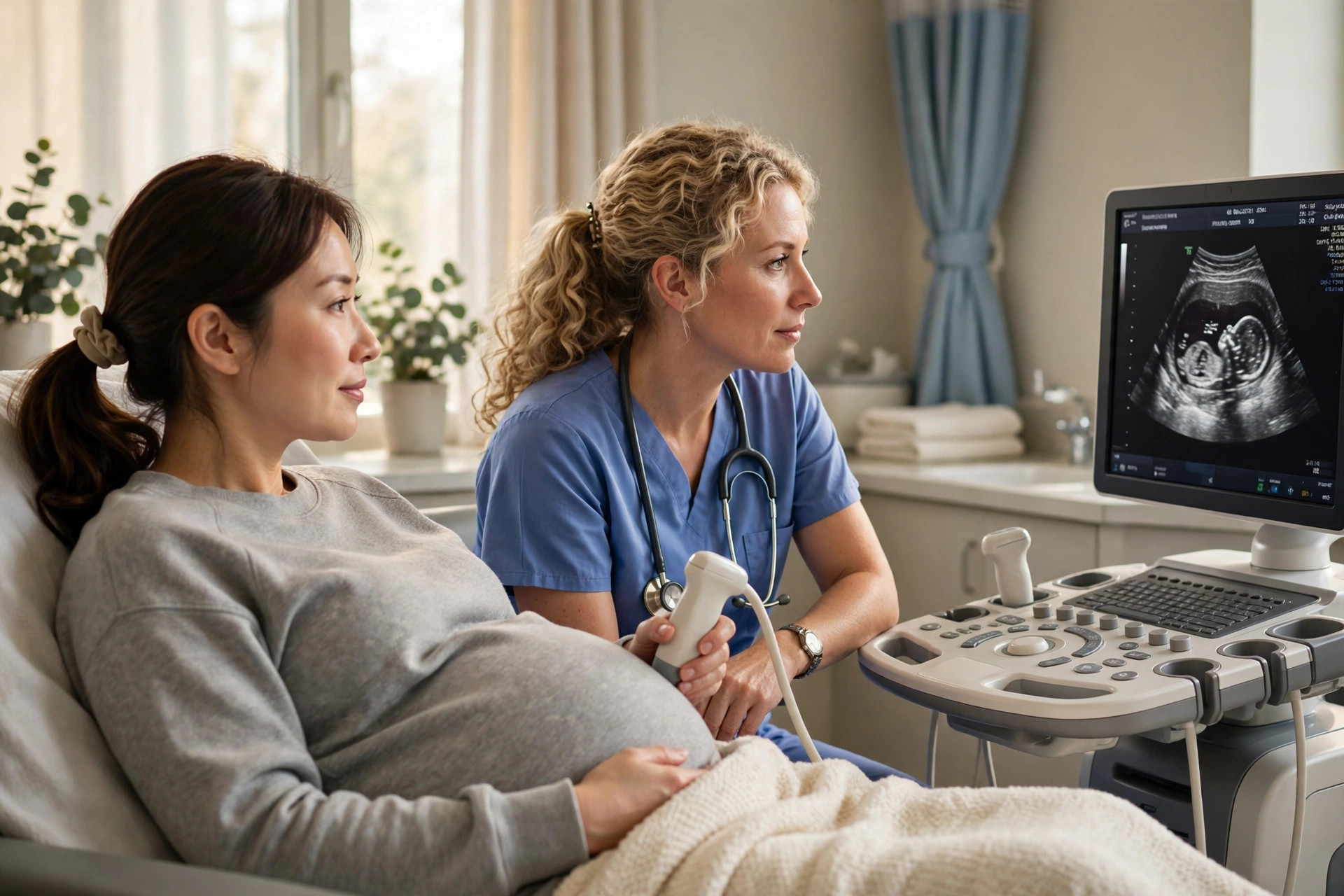
Gestational diabetes is high blood sugar that develops during pregnancy. It usually causes no symptoms, but untreated it raises the chance of a large baby, birth complications, and diabetes for mother and child later in life. Screening finds it in time to manage it — usually with diet, activity and monitoring alone.
The USPSTF recommends screening for gestational diabetes in asymptomatic pregnant persons at 24 weeks of pregnancy or later (grade B). People at high risk are often tested earlier as well, as a clinical decision.
What this screening checks
- Your blood sugar response to a measured glucose drink — the standard screening approach. Services use either a one-step test (a longer tolerance test) or a two-step approach (a shorter screening test first, then the full test if the screen is positive).
- The test measures whether your body is handling glucose normally under the extra demands pregnancy places on it.
Who should have it, and how often
Pregnant persons at 24 weeks or later who do not already have diabetes — the group the USPSTF recommends screening (grade B).
Risk is higher with overweight or obesity, a previous gestational diabetes pregnancy, a close family history of diabetes, or a previous large baby; your team may test you earlier if several of these apply.
This screening is separate from the diabetes screening recommended for non-pregnant adults aged 35 to 70 — pregnancy has its own test and timing.
What happens during the test
- You drink a sweet glucose drink of a measured amount, usually at the clinic or laboratory.
- Blood samples are taken at set times afterwards — after one hour for a screening test, and at further intervals for a full tolerance test.
- Between samples you sit and wait; bring something to read. The appointment can take one to three hours depending on the method used.
How to prepare
- Follow your appointment instructions exactly: some methods require fasting overnight beforehand; others do not.
- Eat normally in the days before the test unless told otherwise — crash dieting before the test distorts the result and helps no one.
- Tell the team if you feel unwell or vomit after the drink; the test may need to be rescheduled.
What the results mean
Most results are normal and no further testing is needed in the pregnancy. A positive result means gestational diabetes: you will be shown how to monitor your blood sugar at home, offered diet and activity support, and seen more often to watch the baby's growth.
After the birth, blood sugar usually returns to normal — but both you and your child have a higher lifetime risk of type 2 diabetes, so postnatal and later screening tests are part of the plan.
Benefits
- Finding and managing gestational diabetes reduces large-baby and birth complications.
- Management is usually lifestyle-based: food, activity and home monitoring.
- Flags mothers who benefit from long-term diabetes screening after pregnancy.
Limits and possible harms
- The drink is very sweet and can cause nausea; the appointment is long and may require fasting.
- A diagnosis brings extra appointments, monitoring and sometimes anxiety in an otherwise healthy pregnancy.
- Borderline results can lead to repeat testing.
Watch: related videos
Useful links and tools
More in Women's Health & Pregnancy
- Blood Pressure Checks in Pregnancy (Preeclampsia)
- Intimate Partner Violence Screening
- Folic Acid Before Pregnancy
- Healthy Weight Gain in Pregnancy
Frequently asked questions
When is the gestational diabetes test done?
The USPSTF recommends screening at 24 weeks of pregnancy or later (grade B, 2021) in pregnant people without known diabetes; in practice it is most often scheduled between 24 and 28 weeks. If you are at high risk, your team may also test earlier in pregnancy.
What does the test involve?
You drink a measured glucose drink and have blood taken at set times afterwards so the laboratory can see how your body handles the sugar load. Some services use a two-step method — a shorter screening test, then a full tolerance test only if the first is positive. Your appointment letter will say whether you need to fast.
This guide explains how a screening test usually works and who it is generally offered to. It is general educational information only — not medical advice, and not a recommendation for you personally. Screening decisions depend on your age, history and risk, so talk to your own clinician about which tests you need and when. If you have symptoms now, do not wait for a screening test — seek medical care promptly.