
- Physical Examination
- Surgical Examination
- Ophthalmology
- Clinical Skills
- Orthopedics
- Surgery Videos
- Laparoscopy
- Pediatrics
- Funny Videos
- Cardiothoracic Surgery
- Nursing Videos
- Plastic Surgery
- Otorhinolaryngology
- Histology and Histopathology
- Neurosurgery
- Dermatology
- Pediatric Surgery
- Urology
- Dentistry
- Oncology and Cancers
- Anatomy Videos
- Health and Fitness
- Radiology
- Anaesthesia
- Physical Therapy
- Pharmacology
- Interventional Radiology
- Cardiology
- Endocrinology
- Gynecology
- Emergency Medicine
- Psychiatry and Psychology
- Childbirth Videos
- General Medical Videos
- Nephrology
- Physiology
- Diet and Food Health
- Diabetes Mellitus
- Neurology
- Women Health
- Osteoporosis
- Gastroenterology
- Pulmonology
- Hematology
- Rheumatology
- Toxicology
- Nuclear Medicine
- Infectious Diseases
- Vascular Disease
- Reproductive Health
- Burns and Wound Healing
- Kidney Zone Podcast
- Other
Cholesterol Testing & Statin Decisions
A cholesterol blood test feeds into a 10-year heart-risk estimate. For adults 40 to 75 with a risk factor and a 10-year risk of 10% or more, the USPSTF recommends a statin (grade B).
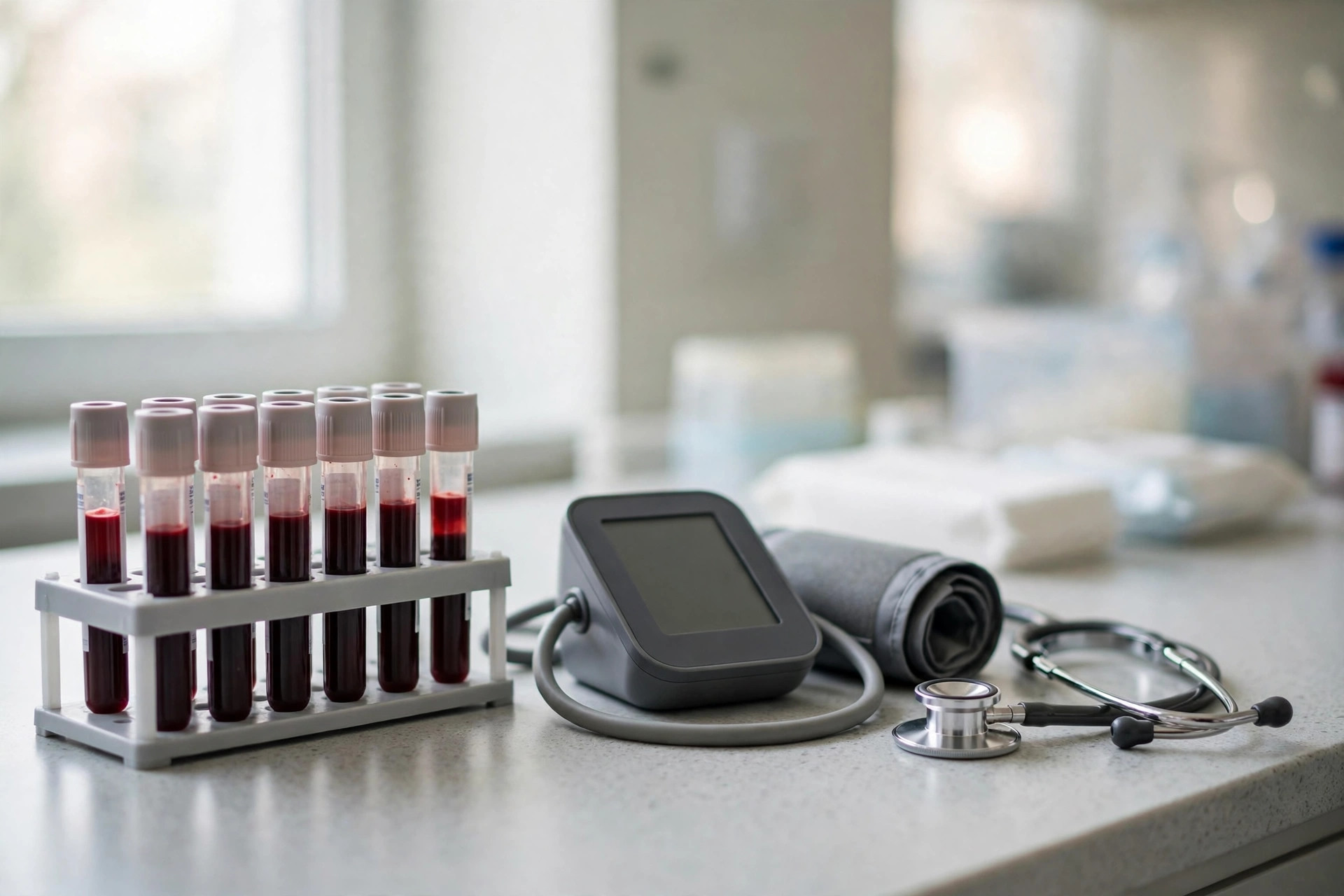
Cholesterol screening is a blood test — but the decision it feeds is bigger than any single number. Modern prevention combines your cholesterol with your age, blood pressure, smoking and diabetes status to estimate your chance of a heart attack or stroke over the next 10 years, and that estimate is what drives the statin decision.
The USPSTF recommends (grade B) that adults aged 40 to 75 who have at least one cardiovascular risk factor — dyslipidemia (abnormal cholesterol), diabetes, hypertension, or smoking — and an estimated 10-year risk of 10 percent or higher should be offered a statin for primary prevention. At a 10-year risk of 7.5 to under 10 percent, offering a statin is a selective decision (grade C); at 76 and over, the evidence is insufficient (grade I).
What this screening checks
- A lipid panel: total cholesterol, LDL ('bad') cholesterol, HDL ('good') cholesterol and triglycerides, from a blood sample.
- Your overall 10-year cardiovascular risk, calculated with a standard tool (the ACC/AHA Pooled Cohort Equations) that combines cholesterol with age, blood pressure, smoking and diabetes.
- The statin recommendation does not apply to people with very high LDL cholesterol (over 190 mg/dL) or inherited familial hypercholesterolemia — they need individual specialist care, not a screening decision.
Who should have it, and how often
Adults aged 40 to 75 with at least one of: abnormal cholesterol, diabetes, high blood pressure, or smoking.
The clearest benefit (grade B) is at a calculated 10-year risk of 10 percent or more. Between 7.5 and 10 percent it is a closer call (grade C) — your own preferences matter.
For adults 76 and older, the USPSTF found insufficient evidence for or against starting a statin for primary prevention — an individual conversation, not a rule.
What happens during the test
- A blood sample is taken, usually from a vein in the arm. Your clinician may ask you to fast beforehand, though many lipid panels no longer require it — follow the instructions you are given.
- Your results are combined with your blood pressure, age, smoking status and diabetes status to produce a 10-year risk percentage.
- You and your clinician discuss the percentage, what a statin would add, and what lifestyle changes can do — the decision is shared, not automatic.
How to prepare
- Ask whether your test needs fasting; if it does, you will usually be told to have nothing but water for a set period before the blood draw.
- Bring a list of your medicines and tell the clinician if you smoke and whether you have diabetes or high blood pressure — all of these feed the risk calculation.
- One abnormal result is often rechecked before decisions are made, because cholesterol varies from day to day.
What the results mean
There is no single 'pass' number: your lipid results are interpreted through your overall risk. Two people with identical cholesterol can reasonably make different statin decisions because their other risk factors differ.
If a statin is started, follow-up blood tests check both the cholesterol response and, if you have muscle symptoms, whether the medicine is the cause. Most people in the trials the USPSTF reviewed took a moderate-intensity statin.
Benefits
- Statins in this risk group reduce heart attacks and strokes — the events screening is trying to prevent.
- The risk-score approach targets treatment to the people most likely to benefit, rather than treating a number.
- The same blood test can reveal inherited very-high cholesterol that needs specialist care.
Limits and possible harms
- Statins can cause muscle aches in some people, and a small increase in diabetes risk is debated — discuss any symptoms rather than stopping silently.
- Risk calculators are estimates for groups, not predictions for you personally; they can over- or under-estimate individual risk.
- A 'high cholesterol' label can cause anxiety even when overall risk is low.
Watch: related videos
Useful links and tools
More in Heart & Metabolic Health
- Blood Pressure Screening
- Prediabetes & Type 2 Diabetes Screening
- Abdominal Aortic Aneurysm (AAA) Screening
- Healthy Diet & Physical Activity Counseling
Frequently asked questions
My cholesterol is high. Does that automatically mean I need a statin?
No. Under the USPSTF recommendation, the statin decision for adults 40 to 75 depends on your overall 10-year cardiovascular risk — calculated from cholesterol plus age, blood pressure, smoking and diabetes — together with having at least one risk factor. At a 10-year risk of 10% or more a statin is recommended (grade B); at 7.5% to under 10% it is a selective decision (grade C).
Why doesn't the recommendation cover my LDL of 210?
The USPSTF statin recommendation explicitly does not apply to people with LDL cholesterol above 190 mg/dL or familial hypercholesterolemia. Those situations carry much higher risk and need their own treatment pathway with your clinician — they are not a screening judgement call.
This guide explains how a screening test usually works and who it is generally offered to. It is general educational information only — not medical advice, and not a recommendation for you personally. Screening decisions depend on your age, history and risk, so talk to your own clinician about which tests you need and when. If you have symptoms now, do not wait for a screening test — seek medical care promptly.