
- Physical Examination
- Surgical Examination
- Ophthalmology
- Clinical Skills
- Orthopedics
- Surgery Videos
- Laparoscopy
- Pediatrics
- Funny Videos
- Cardiothoracic Surgery
- Nursing Videos
- Plastic Surgery
- Otorhinolaryngology
- Histology and Histopathology
- Neurosurgery
- Dermatology
- Pediatric Surgery
- Urology
- Dentistry
- Oncology and Cancers
- Anatomy Videos
- Health and Fitness
- Radiology
- Anaesthesia
- Physical Therapy
- Pharmacology
- Interventional Radiology
- Cardiology
- Endocrinology
- Gynecology
- Emergency Medicine
- Psychiatry and Psychology
- Childbirth Videos
- General Medical Videos
- Nephrology
- Physiology
- Diet and Food Health
- Diabetes Mellitus
- Neurology
- Women Health
- Osteoporosis
- Gastroenterology
- Pulmonology
- Hematology
- Rheumatology
- Toxicology
- Nuclear Medicine
- Infectious Diseases
- Vascular Disease
- Reproductive Health
- Burns and Wound Healing
- Kidney Zone Podcast
- Other
Prediabetes & Type 2 Diabetes Screening
Type 2 diabetes and its precursor, prediabetes, often have no symptoms. The USPSTF recommends screening adults aged 35 to 70 who have overweight or obesity (grade B).
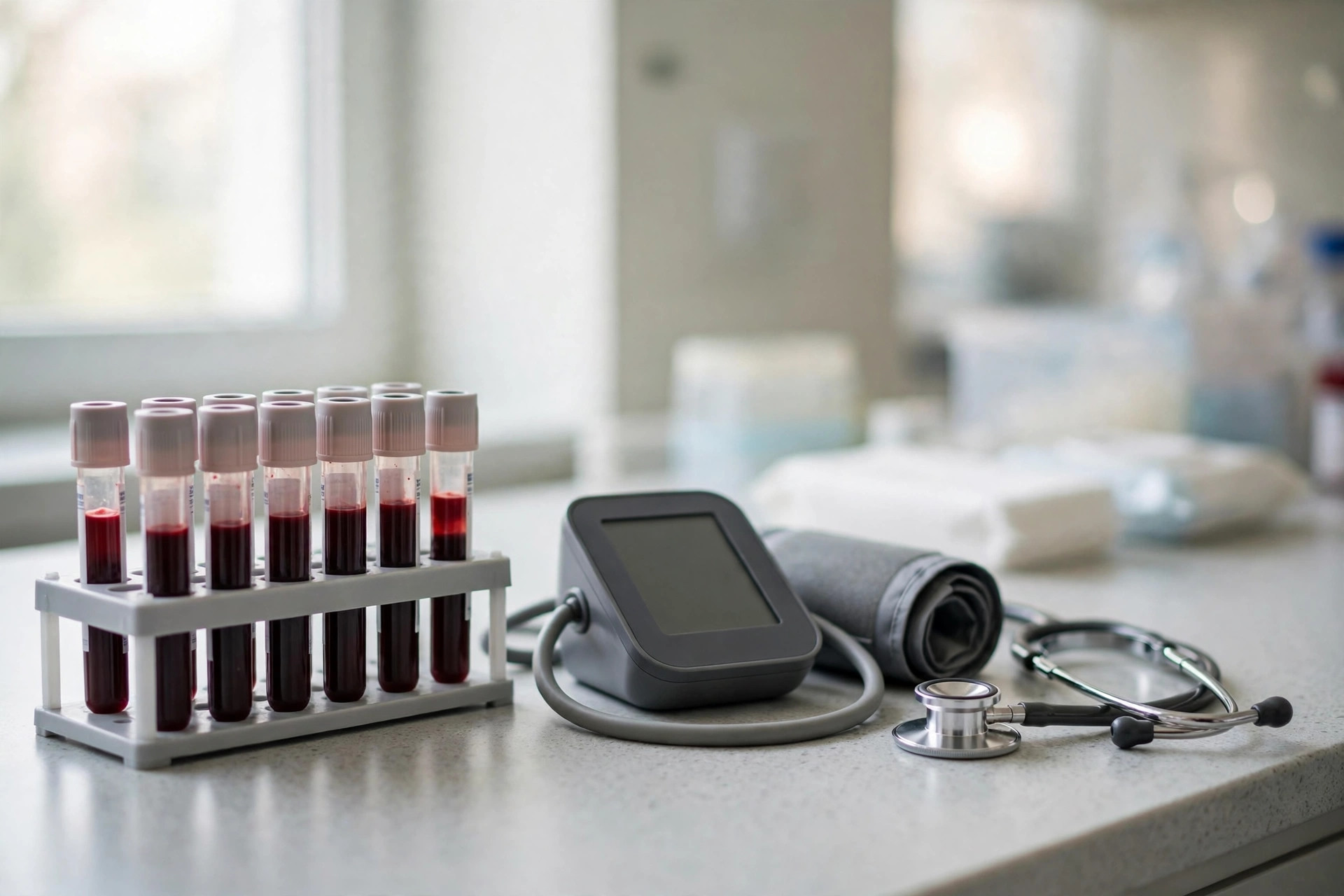
Type 2 diabetes develops slowly, and the stage before it — prediabetes, where blood sugar is above normal but not yet in the diabetes range — usually causes no symptoms at all. Screening finds both, at a stage where diabetes can still be prevented or delayed, and where early treatment protects the eyes, kidneys, nerves and heart.
The USPSTF recommends screening for prediabetes and type 2 diabetes in adults aged 35 to 70 who have overweight or obesity (grade B). Weight matters because it is the strongest driver of risk in this age group.
What this screening checks
- Blood sugar control, most commonly with an A1C test (average blood sugar over about three months) or a fasting blood glucose test; an oral glucose tolerance test is another option.
- Whether your level falls in the normal, prediabetes or diabetes range — the middle range is the screening programme's main target, because lifestyle programmes can prevent or delay progression.
Who should have it, and how often
Adults aged 35 to 70 with overweight or obesity — the group the USPSTF recommends screening (grade B).
Outside that group, screening may still be worth discussing if you have a strong family history of diabetes, a history of diabetes in pregnancy, or belong to a population group with higher diabetes rates.
Symptoms such as extreme thirst, passing urine much more often, unexplained weight loss or blurred vision are not a screening matter — see a clinician promptly for diagnostic testing.
What happens during the test
- A blood sample is taken from a vein in the arm. For an A1C test you do not need to fast; a fasting glucose test is done after not eating overnight.
- If the first result is in the diabetes range, it is normally confirmed with a second test on another day before a diagnosis is made (unless you have clear symptoms).
- Results are usually discussed together with your weight, blood pressure and cholesterol, because the risks travel together.
How to prepare
- Follow the instruction for your specific test: fasting means nothing but water from the night before.
- Tell the clinician about medicines and illnesses that can distort blood sugar, and about any previous diabetes in pregnancy.
- If you have had an abnormal result before, bring the date and the value if you know them.
What the results mean
A normal result means screening again in future at an interval your clinician advises, based on your risk. A prediabetes result is not diabetes — it is a warning stage where structured lifestyle programmes (diet, activity and weight loss support) are proven to prevent or delay diabetes.
A confirmed diabetes result leads to a care plan: monitoring, lifestyle support, medicines when needed, and regular checks of eyes, feet, kidneys and cardiovascular risk.
Benefits
- Finding prediabetes early allows proven lifestyle programmes that prevent or delay type 2 diabetes.
- Finding diabetes early means treatment starts before silent damage to eyes, kidneys, nerves and blood vessels accumulates.
- The test is a simple blood draw, and A1C needs no fasting.
Limits and possible harms
- A prediabetes label can cause anxiety, even though many people with prediabetes never develop diabetes.
- Borderline results can fluctuate, leading to repeat testing.
- Screening only helps if it is linked to follow-up — a result without a plan changes nothing.
Watch: related videos
Useful links and tools
More in Heart & Metabolic Health
- Blood Pressure Screening
- Cholesterol Testing & Statin Decisions
- Abdominal Aortic Aneurysm (AAA) Screening
- Healthy Diet & Physical Activity Counseling
Frequently asked questions
Who should be screened for diabetes?
The USPSTF recommends screening adults aged 35 to 70 who have overweight or obesity (grade B, 2021). If you are outside that group but have a strong family history, had diabetes during pregnancy, or have symptoms such as marked thirst and frequent urination, talk to your clinician — symptoms always deserve diagnostic testing rather than screening.
What is prediabetes?
Prediabetes is the stage where blood sugar is higher than normal but not yet high enough to be called type 2 diabetes. It usually has no symptoms, which is why screening exists. It is a warning, not a life sentence: structured diet, activity and weight-loss programmes at this stage can prevent or delay diabetes.
This guide explains how a screening test usually works and who it is generally offered to. It is general educational information only — not medical advice, and not a recommendation for you personally. Screening decisions depend on your age, history and risk, so talk to your own clinician about which tests you need and when. If you have symptoms now, do not wait for a screening test — seek medical care promptly.